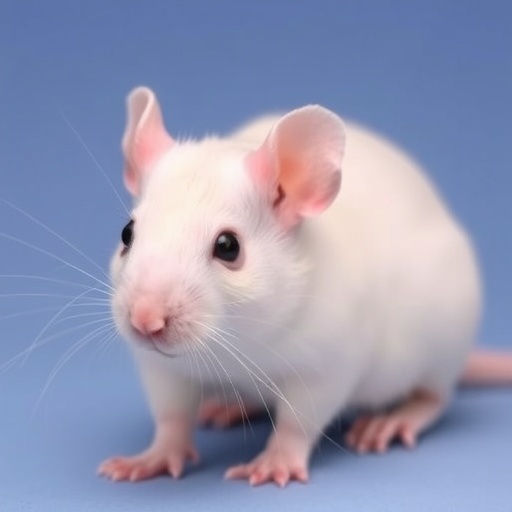
The intricate interplay between pharmacokinetics and diabetes management has garnered significant attention, particularly with the rise of novel therapeutic agents. A recent study by Choi et al., published in the Journal of Pharmaceutical Investigation, explores the pharmacokinetic modulation of tofacitinib by isosakuranetin in a controlled setting involving streptozotocin-induced diabetic rats. This research is particularly relevant given the growing challenges in managing diabetes and its associated complications through pharmacological means.
Tofacitinib, a janus kinase inhibitor, has shown promising results in treating various inflammatory conditions. However, its efficacy can be significantly influenced by various biochemical factors, especially in diabetic environments where metabolism and drug handling can be altered. The investigation of isosakuranetin, a flavonoid found in several plants, appears to play a crucial role in this dynamic, indicating potential strategies for enhancing tofacitinib’s therapeutic effectiveness in patients with diabetes.
The design of the study involved a rigorous approach whereby diabetic rats, induced by streptozotocin, were monitored for changes in the pharmacokinetics of tofacitinib when co-administered with isosakuranetin. Researchers collected blood samples at predetermined intervals following administration, facilitating the careful analysis of tofacitinib’s concentration in the bloodstream. This method allowed for a robust evaluation of how isosakuranetin influenced the absorption, distribution, metabolism, and excretion of tofacitinib.
Preliminary findings indicate that isosakuranetin can significantly alter the pharmacokinetic profile of tofacitinib. The study notes noteworthy alterations in the peak plasma concentration and the time required to reach this peak, suggesting that isosakuranetin may enhance the absorption rate of tofacitinib when administered concurrently. Such interactions are crucial for optimizing therapeutic regimens, especially in diabetic patients who may have impaired drug absorption and increased metabolic challenges.
Moreover, understanding the pharmacokinetic processes that are affected by isosakuranetin is essential. The presence of flavonoids like isosakuranetin in the gastrointestinal tract can influence the activity of various transport proteins and enzymes that play pivotal roles in drug metabolism. This modulation could lead to an improvement in bioavailability and ultimately enhance the overall therapeutic response in diabetic patients receiving tofacitinib.
The implications of these findings extend beyond the immediate experimental setting. The research highlights the significance of herb-drug interactions and the potential of dietary components to modulate therapeutic agents. Given the common practice of using various herbal supplements among patients with chronic conditions, it is paramount for healthcare providers to understand these interactions thoroughly. The incorporation of isosakuranetin-rich foods or supplements in diabetic diets could potentially provide synergistic benefits when combined with conventional pharmacotherapy like tofacitinib.
This study does not merely contribute to the existing knowledge surrounding tofacitinib but also encourages a more holistic approach to diabetes management by suggesting that dietary modification can be a viable adjunctive therapy. It underscores an emerging trend within the pharmaceutical sciences where traditional knowledge regarding herbal medicines is integrated with modern therapeutic strategies to improve patient outcomes.
Additionally, the pharmacodynamics of tofacitinib are not merely a concern for clinical practices but also present a fascinating avenue for further research. The biochemistry of how isosakuranetin exerts its effects could unveil new pathways or mechanisms worth examining in future studies. These insights could lead to the development of new formulations or treatment strategies that leverage the synergistic effects of drug and natural products for enhanced efficacy.
Moreover, the experiments conducted in this study raise questions about the applicability of these findings in human subjects. While rat models provide invaluable insights into pharmacokinetics, researchers must keep in mind the complexity of human physiology. Further investigations, including clinical trials, are essential to determine the translation of these findings from animal models to clinical practice. The ultimate goal is to ensure safety and efficacy in a real-world setting where patient variability can significantly impact drug responses.
In summary, the exploration of isosakuranetin’s role in modifying the pharmacokinetics of tofacitinib offers a novel perspective on the intersection of nutrition and medication in diabetes management. This study opens doors to multitude research paths, pondering how integrating food sciences with pharmacology could revolutionize contemporary treatment paradigms. The road ahead entails further investigations that may one day blend traditional dietary practices with modern medicine to achieve enhanced therapeutic outcomes for diabetes and potentially other chronic conditions.
As researchers continue to unveil the complexities within pharmacotherapy, it’s crucial to remain vigilant about the implications of natural substances on drug activity. The findings from Choi et al. serve as a pivotal reminder of the potent capabilities residing within nature, urging the scientific community to explore and validate these connections thoroughly. This paradigm shift in thinking may lead to future innovations in how we approach chronic illness management, with an eye towards comprehensive patient care that respects both pharmacological interventions and the body’s natural biological processes.
In essence, the modulation of tofacitinib by isosakuranetin not only contributes to the pharmacological knowledge base but also emphasizes the multidimensional nature of health—where nutrition, medicine, and patient care are inextricably linked.
Subject of Research: Pharmacokinetics of Tofacitinib Modulated by Isosakuranetin in Diabetic Rats
Article Title: Modulation of tofacitinib pharmacokinetics by isosakuranetin in streptozotocin-induced diabetic rats.
Article References:
Choi, H.G., Bae, S.H., Park, S.Y. et al. Modulation of tofacitinib pharmacokinetics by isosakuranetin in streptozotocin-induced diabetic rats.
J. Pharm. Investig. (2025). https://doi.org/10.1007/s40005-025-00793-z
Image Credits: AI Generated
DOI: https://doi.org/10.1007/s40005-025-00793-z
Keywords: Tofacitinib, Isosakuranetin, Diabetes, Pharmacokinetics, Herb-Drug Interaction, Streptozotocin, Flavonoids.
Tags: blood concentration analysis of tofacitinibcontrolled studies in diabetes researchdrug metabolism in diabetic environmentsenhancing drug effectiveness in diabetesflavonoids and drug interactionIsosakuranetin pharmacokineticsjanus kinase inhibitor efficacypharmacokinetic modulation in diabetespharmacological strategies for diabetesstreptozotocin-induced diabetic ratstherapeutic agents for inflammatory conditionstofacitinib diabetes management