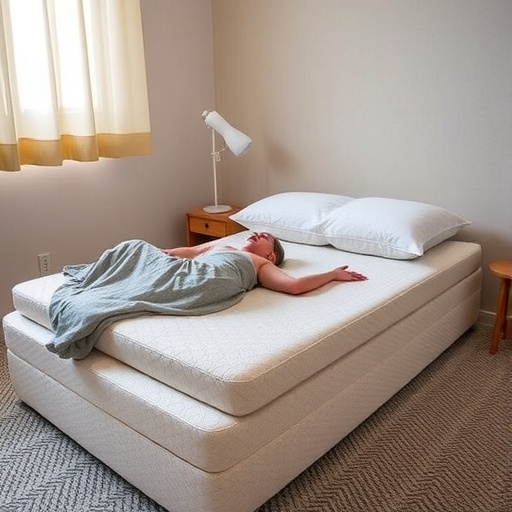
In a groundbreaking study poised to impact patient care globally, researchers have turned their attention to the potential of Iranian sheep-felt mattresses as a preventive measure against pressure injuries, particularly in patients classified as moderate to high risk. This innovative approach has emerged from a randomized controlled trial conducted among hospitalized patients, aiming to analyze the effectiveness of these unique mattresses in reducing the incidence of pressure ulcers, a common and challenging complication in medical care.
Pressure injuries, also known as pressure ulcers or bedsores, represent a significant concern, especially for individuals with limited mobility or prolonged hospital stays. The skin and underlying tissues suffer from compression against surfaces, leading to decreased blood flow and, ultimately, tissue breakdown. Addressing this issue is not just a matter of comfort but a fundamental aspect of high-quality patient care, as pressure injuries can lead to pain, prolonged hospitalization, and increased healthcare costs.
The study administered by the research team led by M.A. Delui focuses explicitly on a novel intervention involving sheep-felt mattresses. The unique properties of sheep wool, such as moisture-wicking ability and insulation, contribute to a comfortable sleeping experience, while its natural elasticity may also assist in reducing pressure points on the body. The randomized controlled design of the study ensures that results are statistically robust and can effectively guide clinical practice.
Participants in the trial were carefully selected from various hospital wards, and the study comprised a diverse demographic, including both men and women across different age groups. Each participant was assessed for their risk of developing pressure injuries, utilizing established clinical tools that evaluate factors like mobility, nutritional status, and existing skin conditions. The random assignment of participants to either the intervention group, which utilized the sheep-felt mattresses, or the control group allowed for an unbiased comparison.
Throughout the study period, all participants received standard care for pressure injury prevention, which included routine repositioning and skin assessment. However, those in the intervention group experienced the added benefit of sleeping on the specialized sheep-felt mattresses. The research methodology emphasized not just the incidence of pressure injuries, but also patient comfort and overall satisfaction with bedding options, which could influence adherence to preventive measures.
Results from the trial indicated a promising trend in the reduced incidence of pressure injuries among patients using the sheep-felt mattresses compared to those on standard hospital mattresses. Statistical analysis demonstrated a significant difference, with fewer reported cases of pressure injuries in the intervention group. Notably, patients also reported improved comfort and satisfaction levels, further reinforcing the potential advantages of this alternative therapeutic bedding.
One of the implications of these findings touches on the potential for healthcare systems to adopt more natural and sustainable materials in patient care. Traditionally, synthetic materials dominate the market for hospital mattresses, often lacking the beneficial properties of natural fibers. The incorporation of sheep wool into mattress design not only offers medical benefits but also aligns with increasing demands for environmentally conscious products in healthcare settings.
However, the study also emphasizes the need for further investigations to fully comprehend the mechanisms behind the effectiveness of sheep-felt mattresses. Future research could delve deeper into specific properties of wool that contribute to pressure injury prevention, such as thermal regulation, moisture management, and the potential for promoting skin health. Understanding these aspects will be critical in formulating best practices and enhancing clinical guidelines for pressure injury prevention.
Addressing the broader picture, the study speaks to an emerging trend in healthcare toward personalized patient care. As more healthcare professionals confront the diverse needs of their patient populations, tailored interventions that cater to specific risk factors are gaining prominence. The sheep-felt mattress initiative is an exemplary case that illustrates how traditional materials can be re-evaluated and integrated into modern medical practices.
Furthermore, the study presents an opportunity for collaboration between healthcare professionals and industries focused on sustainable textiles. Engaging in partnerships could not only spearhead innovation in mattress technology but also create economic opportunities in local textile markets. The implications of adopting locally sourced materials extend beyond immediate patient benefits, reaching into broader economic and social realms.
As the healthcare landscape continues to evolve, findings such as these serve a dual purpose: advancing patient safety and enhancing the quality of hospital stays. By integrating evidence-based solutions like the use of sheep-felt mattresses into routine clinical protocols, healthcare facilities can address critical priorities, ultimately transforming the patient experience during hospitalization.
In conclusion, the effectiveness of Iranian sheep-felt mattresses on pressure injury prevention among at-risk hospitalized patients stands as a testament to the potential for integrating traditional materials into modern health care solutions. This study not only underscores the necessity of innovative approaches in tackling persistent medical challenges but also encourages a reassessment of the materials used in patient care. As healthcare providers strive to improve outcomes and patient quality of life, projects like this highlight the invaluable intersection of empirical research and practical application.
With the positive outcomes observed in this study, the future looks promising for the adoption of sheep-felt mattresses in hospitals worldwide. The implications may reach well beyond pressure injury prevention, offering insights into patient comfort, recovery, and overall experience in healthcare settings. As we eagerly await further advancements in this area, it is clear that integrating natural materials can represent a significant and beneficial shift in the pursuit of optimal patient care.
Subject of Research: Effectiveness of Iranian sheep-felt mattresses on pressure injury prevention.
Article Title: The effectiveness of Iranian sheep-felt mattresses on pressure injuries prevention in moderate to high-risk hospitalized patients: a randomized controlled trial.
Article References:
Delui, M.A., Kameli, F., Noori, R. et al. The effectiveness of Iranian sheep-felt mattresses on pressure injuries prevention in moderate to high-risk hospitalized patients: a randomized controlled trial.
BMC Nurs (2026). https://doi.org/10.1186/s12912-026-04366-9
Image Credits: AI Generated
DOI:
Keywords: Pressure injuries, sheep-felt mattresses, healthcare, randomized controlled trial, patient care, textile innovation, bedsores prevention.
Tags: comfort in medical treatmenteffectiveness of sheep wool mattresseshealthcare cost reduction strategieshigh-risk patients and pressure injuriesimproving patient quality of lifeinnovative patient care solutionsIranian sheep-felt mattressespressure injury prevention strategiespressure ulcers in hospitalized patientsrandomized controlled trial healthcarereducing incidence of bedsoressheep wool properties in healthcare