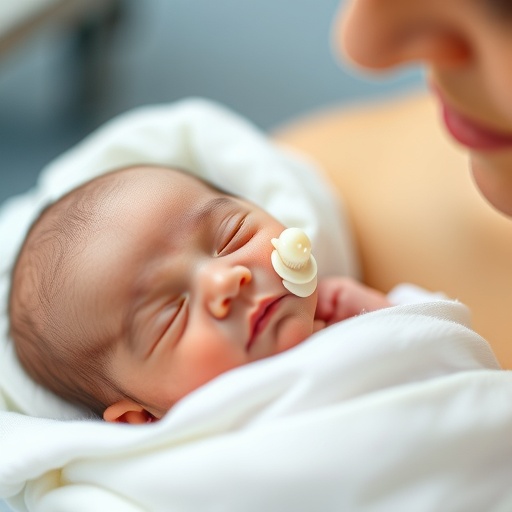
In a groundbreaking advancement at the intersection of neonatology and innovative therapeutic approaches, a recent study has illuminated the potential role of intranasally administered fresh breast milk in treating neonatal encephalopathy (NE). Neonatal encephalopathy, a complex and devastating neurological condition affecting newborns, often results in significant morbidity and mortality, prompting an urgent need for novel, feasible interventions. Published in Pediatric Research, this pioneering work led by Tarjanyi, Jermendy, Szabo, and their colleagues, introduces “F-NEO-BRIGHT,” a clinical exploration assessing the feasibility and safety of delivering fresh breast milk via the intranasal route in neonates suffering from encephalopathy.
Neonatal encephalopathy is characterized by brain dysfunction in newborns, frequently resulting from hypoxic-ischemic events during the perinatal period. The condition manifests through altered neurological status, ranging from decreased consciousness to seizures, and places survivors at risk of long-term neurodevelopmental disabilities. Conventional management strategies often focus on supportive care and therapeutic hypothermia, but despite these interventions, outcomes remain suboptimal in many cases. The urgency to discover adjunctive treatments has catalyzed investigations into natural, bioactive substances that could mediate neuroprotection and promote repair.
The concept of utilizing breast milk intranasally arises from the recognition of breast milk’s rich composition, encompassing immunomodulatory agents, growth factors, and stem cells. These components collectively confer anti-inflammatory and regenerative properties, contributing to infant brain development and protection against infections. However, the delivery of these components directly to the central nervous system (CNS) has been challenging due to the brain’s protective barriers. Intranasal administration capitalizes on the unique anatomical pathways connecting the nasal cavity to the brain, bypassing the blood-brain barrier and enabling rapid, non-invasive therapeutic delivery.
In their study, the researchers meticulously evaluated the practical aspects of this innovative delivery method. Feasibility was determined by assessing the technical ability to administer fresh breast milk intranasally to neonates safely without interrupting standard care protocols. Safety parameters encompassed monitoring for adverse reactions such as nasal irritation, aspiration risk, or infectious complications. The team’s rigorous approach ensured that interventions integrated seamlessly within neonatal intensive care unit practices, an essential consideration for clinical applicability.
The findings revealed that intranasal fresh breast milk could be administered reliably and safely in neonates with encephalopathy. Notably, the trial observed no significant adverse events attributable to the intranasal route or breast milk itself. This pivotal safety validation lays the groundwork for expanded research into efficacy and long-term neurological outcomes. The prospect of a naturally derived, accessible therapeutic modality offers immense promise, particularly in settings with limited access to advanced neuroprotective technologies.
Moreover, the study underscores the biological plausibility underpinning the intervention. Fresh breast milk contains numerous bioactive molecules such as lactoferrin, epidermal growth factor (EGF), and transforming growth factor-beta (TGF-β), all implicated in modulating neuroinflammation and fostering neural repair mechanisms. Additionally, mesenchymal stem cells present in breast milk contribute potential regenerative capabilities. By delivering these agents intranasally, the intervention theoretically enhances neuroprotective signaling pathways within the brain, which could mitigate damage and support functional recovery.
Importantly, this investigation represents a paradigmatic shift in neonatal neurotherapeutic strategies, embracing an integrative approach that leverages maternal biological resources. The non-invasive nature of intranasal delivery aligns with the delicate physiology of neonates, minimizing procedural risks such as systemic side effects or invasive interventions. This accessibility and safety profile bode well for widespread adoption and adaptation in varying clinical environments.
The clinical trial design also incorporated rigorous monitoring of neurodevelopmental parameters, setting a precedent for future studies to assess the long-term impact of intranasal breast milk on cognitive, motor, and sensory outcomes. Establishing definitive connections between this novel administration route and improved neurodevelopmental trajectories requires extensive, longitudinal research but the initial feasibility and safety results provide a compelling foundation.
Furthermore, the study provokes intriguing questions about the mechanistic interactions between breast milk constituents and the CNS when administered intranasally. The dynamic immunological milieu of neonatal encephalopathy offers both challenges and opportunities for bioactive substances to modulate disease pathways. As research evolves, a detailed elucidation of molecular and cellular mechanisms will be vital to optimizing treatment protocols, dosage regimens, and timing relative to injury onset.
From a public health perspective, the implications of this work extend beyond immediate clinical application. The use of fresh breast milk, often readily available and cost-effective, introduces an equitable therapeutic option that could revolutionize neonatal care, especially in resource-poor settings where advanced technological interventions remain inaccessible. Strengthening mother-infant bonds through therapeutic breast milk application adds a psychosocial dimension to neonatal recovery efforts, reinforcing maternal involvement during critical care periods.
This study’s outcomes also pave the way for exploring similar strategies in related neurological and inflammatory conditions affecting neonates and infants. The intersection of regenerative medicine, bioactive natural substances, and targeted delivery systems heralds a new era of personalized, biologically harmonious interventions. As contemporary medicine continues to seek remedies that align with the body’s intrinsic healing capabilities, the intranasal administration of fresh breast milk exemplifies innovative translational research bridging bench science and bedside care.
In summary, the F-NEO-BRIGHT investigation spearheaded by Tarjanyi et al. represents a landmark exploration into harnessing a novel route of administration for an ancient and vital biological fluid—breast milk—in treating neonatal encephalopathy. Its demonstration of feasibility and safety propels the field towards the next critical phase of efficacy trials, ultimately aiming to mitigate the devastating impact of neonatal brain injury. This pioneering approach sustains hope for delivering transformative neuroprotective therapies that are safe, accessible, and rooted in the natural biology of infant care.
As the medical community eagerly awaits subsequent studies elucidating long-term benefits and potential mechanistic insights, the current findings resonate as a testament to the power of innovation and interdisciplinary collaboration. The intranasal delivery of fresh breast milk may soon emerge as a cornerstone of neonatal neuroprotection, integrating maternal warmth and scientific ingenuity to transform outcomes for the most vulnerable patients.
Subject of Research: Neonatal encephalopathy and intranasal therapeutic delivery using fresh breast milk.
Article Title: F-NEO-BRIGHT: feasibility and safety of intranasal fresh breast milk in neonatal encephalopathy.
Article References: Tarjanyi, E., Jermendy, A., Szabo, M. et al. F-NEO-BRIGHT: feasibility and safety of intranasal fresh breast milk in neonatal encephalopathy. Pediatr Res (2026). https://doi.org/10.1038/s41390-026-04847-2
Image Credits: AI Generated
DOI: 10.1038/s41390-026-04847-2 (Published 03 March 2026)
Keywords: neonatal encephalopathy, intranasal delivery, fresh breast milk, neuroprotection, neonatal neurotherapy, bioactive substances, regenerative medicine
Tags: bioactive components of breast milkF-NEO-BRIGHT clinical studyhypoxic-ischemic encephalopathy interventionsimmunomodulatory effects of breast milkinnovative neonatal therapiesintranasal fresh breast milk therapyneonatal brain injury recoveryneonatal encephalopathy treatmentneurodevelopmental outcomes in encephalopathyneuroprotection in newbornssafety of intranasal drug delivery in neonatesstem cells in breast milk