• HOME
  • NEWS
  • EXPLORE
    • CAREER
      • Companies
      • Jobs
    • EVENTS
    • iGEM
      • News
      • Team
    • PHOTOS
    • VIDEO
    • WIKI
  • BLOG
  • COMMUNITY
    • FACEBOOK
    • INSTAGRAM
    • TWITTER
Wednesday, January 7, 2026
BIOENGINEER.ORG
No Result
View All Result
  • Login
  • HOME
  • NEWS
  • EXPLORE
    • CAREER
      • Companies
      • Jobs
        • Lecturer
        • PhD Studentship
        • Postdoc
        • Research Assistant
    • EVENTS
    • iGEM
      • News
      • Team
    • PHOTOS
    • VIDEO
    • WIKI
  • BLOG
  • COMMUNITY
    • FACEBOOK
    • INSTAGRAM
    • TWITTER
  • HOME
  • NEWS
  • EXPLORE
    • CAREER
      • Companies
      • Jobs
        • Lecturer
        • PhD Studentship
        • Postdoc
        • Research Assistant
    • EVENTS
    • iGEM
      • News
      • Team
    • PHOTOS
    • VIDEO
    • WIKI
  • BLOG
  • COMMUNITY
    • FACEBOOK
    • INSTAGRAM
    • TWITTER
No Result
View All Result
Bioengineer.org
No Result
View All Result
Home NEWS Science News

International research improves quality of CT scan imagery

Bioengineer by Bioengineer
May 8, 2020
in Science News
Reading Time: 3 mins read
0
IMAGE
Share on FacebookShare on TwitterShare on LinkedinShare on RedditShare on Telegram

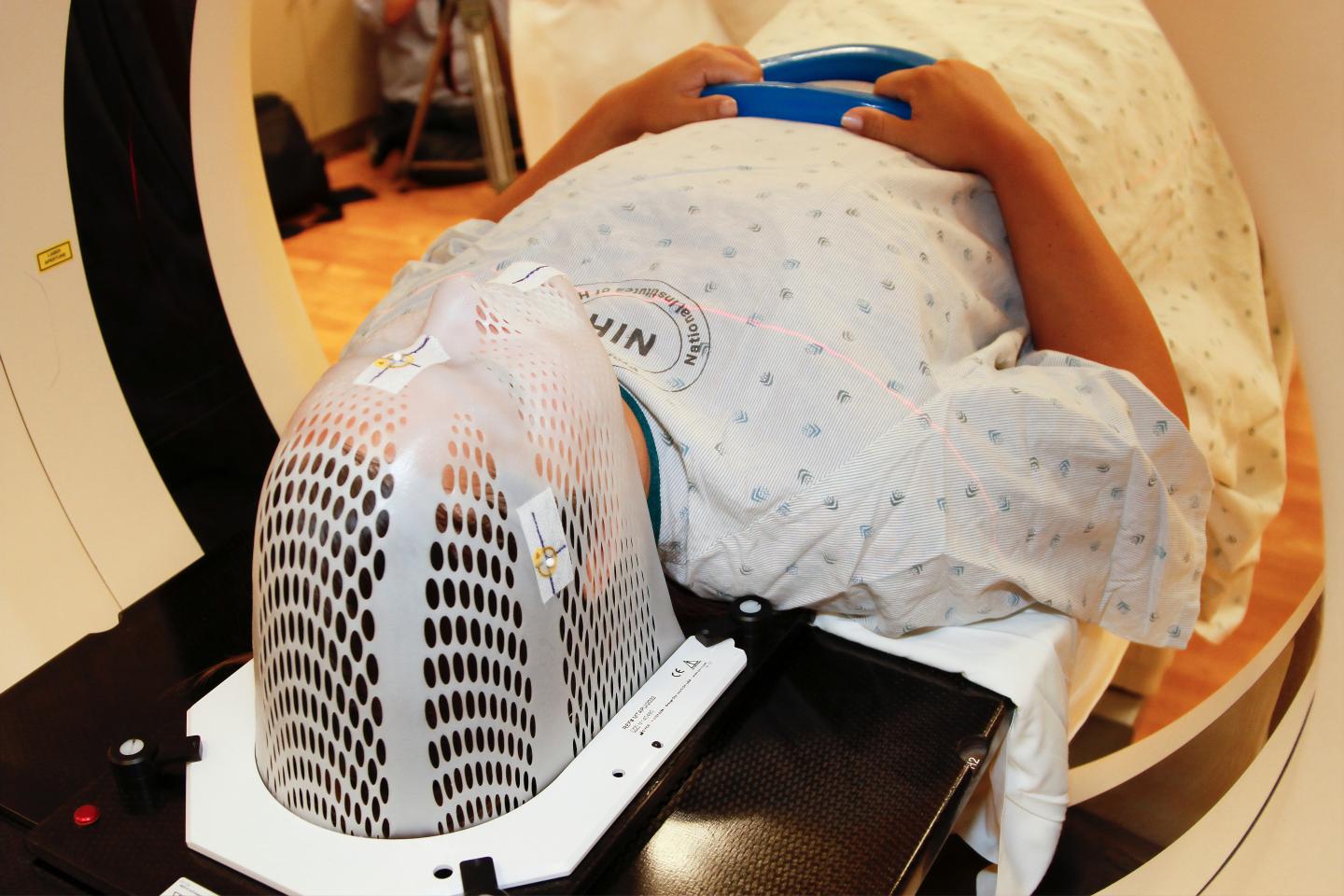
CT scans are one of the most effective ways to see inside the body
IMAGE

Credit: National Cancer Institute / Unsplash.com

A window on the body’s internal workings

Computed tomography, or CT, utilizes computational processes to combine many X-ray measurements taken from different angles of the body to produce tomographic images. This non-invasive procedure, which provides a three-dimensional reconstructed view of organs or tissues, allows physicians to see inside the target without cutting.

“[This technique] helps experts to determine the presence of a tumour, its exact location, size and spread. It can also be used to diagnose muscle and bone disorders, infection or blood clots, heart disease, lung nodules, and liver masses,” said Mohammad Mahdi Dehshibi, a postdoctoral researcher at the UOC’s Scene Understanding and Artificial Intelligence laboratory (SUNAI), of the UOC’s Faculty of Computer Science, Multimedia and Telecommunications, of the Pattern Research Centre in Teheran, Iran. “This technology is among the most common imaging tools used to guide biopsy and radiation therapy as well as monitoring the effectiveness of treatments like cancer treatment, internal injuries, and bleeding detection.”

However, computed tomography involves the risk of damaging the structure of DNA and, subsequently, cancer due to the exposure of the body to high-dose X-rays. For example, in the course of a head CT scan, a person receives a dose of radiation equivalent to the total amount they are usually exposed to in 243 days of normal living.

A new algorithm to reduce radiation

In a search to reduce this radiation, the team led by Dehshibi has developed a new post-processing algorithm which increases the quality of reconstructed CT images. While conventional CT methods pick up only a part of the X-ray energy spectrum, the researchers tested a broader energy range, divided into intervals, to reach higher contrast. After testing it on constructed data using GATE/GEANT4 simulation software, they found that the algorithm enhances the quality of the images while reducing noise, which enables better discrimination between different types of tissue with lower doses of X-rays, according to their findings published in the Journal of Information Processing.

“Distinguishing between two different tissues (either normal or abnormal ones) in the same region is critical for physicians or radiologists to plan for further treatments, where this decision is dealing with the patients’ lives,” he said. “Having better tissue discrimination increases the success rate of the medicine’s plan.” The new method increases the capacity to distinguish between tissues by 60% in simulations compared to conventional CT.

“Our viewpoint was proposing a post-processing approach that does not need a substantial hardware reconfiguration and gives more freedom to imaging scientists for further exploration,” Dehshibi said. “We hope that the findings of this study are later examined in the clinical setting to reduce the radioactive effect of irradiating with X-ray.”

###

Media Contact
Rubén Permuy
[email protected]

Original Source

https://www.uoc.edu/portal/en/news/actualitat/2020/228-CT-scan-imagery.html

Related Journal Article

http://dx.doi.org/10.2197/ipsjjip.28.161

Tags: Computer ScienceTechnology/Engineering/Computer Science
Share12Tweet8Share2ShareShareShare2

Related Posts

blank

Sweet Potato Leaf Silage Boosts Growth in Pigs

January 7, 2026
Optoretinography Tracks Fast Rod Movement Post-Rhodopsin Activation

Optoretinography Tracks Fast Rod Movement Post-Rhodopsin Activation

January 7, 2026

DNA Breaks Boost RORÎłt, Drive Th17 Autoimmunity

January 7, 2026

Canagliflozin Controls Fat Cell Lipolysis Independently

January 7, 2026
Please login to join discussion

POPULAR NEWS

  • Enhancing Spiritual Care Education in Nursing Programs

    152 shares
    Share 61 Tweet 38
  • PTSD, Depression, Anxiety in Childhood Cancer Survivors, Parents

    143 shares
    Share 57 Tweet 36
  • Impact of Vegan Diet and Resistance Exercise on Muscle Volume

    45 shares
    Share 18 Tweet 11
  • SARS-CoV-2 Subvariants Affect Outcomes in Elderly Hip Fractures

    44 shares
    Share 18 Tweet 11

About

We bring you the latest biotechnology news from best research centers and universities around the world. Check our website.

Follow us

Recent News

Sweet Potato Leaf Silage Boosts Growth in Pigs

Optoretinography Tracks Fast Rod Movement Post-Rhodopsin Activation

DNA Breaks Boost RORÎłt, Drive Th17 Autoimmunity

Subscribe to Blog via Email

Success! An email was just sent to confirm your subscription. Please find the email now and click 'Confirm' to start subscribing.

Join 71 other subscribers
  • Contact Us

Bioengineer.org © Copyright 2023 All Rights Reserved.

Welcome Back!

Login to your account below

Forgotten Password?

Retrieve your password

Please enter your username or email address to reset your password.

Log In
No Result
View All Result
  • Homepages
    • Home Page 1
    • Home Page 2
  • News
  • National
  • Business
  • Health
  • Lifestyle
  • Science

Bioengineer.org © Copyright 2023 All Rights Reserved.