


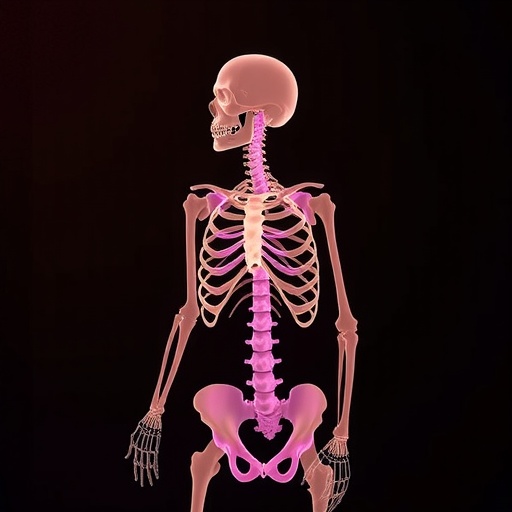
Recent research has unveiled a groundbreaking approach to combating age-related osteoporosis through the application of intermittent hypobaric pressure. Conducted by a team of innovative scientists, this study proposes a novel mechanism for inducing selective senescent cell death, a critical aspect in the aging process, particularly in bone health. The detrimental effects of senescent cells on tissue function have been extensively documented, yet this recent advance offers new pathways to mitigate their impact, particularly in the context of osteoporosis, a condition that predominantly affects the elderly.
Osteoporosis, characterized by decreased bone density and increased fracture risk, has long been a significant concern in geriatric health. As individuals age, the balance between bone formation and resorption is disrupted, leading to a net loss of bone mass. Furthermore, with the population continuously aging, the prevalence of osteoporosis is expected to rise, presenting an urgent need for effective therapeutic strategies. The emerging link between cellular senescence and osteoporosis could offer solutions previously thought unattainable.
The research team, led by Meng, Qu, and Yang, explored how introducing intermittent hypobaric pressure, a condition often experienced in high-altitude environments or through specialized chambers, could influence the behavior of senescent cells. Their findings indicate that this unique form of pressure exposure induces apoptosis, or programmed cell death, in senescent cells, thus reducing the burden of these detrimental cells in bone tissue. This mechanism could be transformative for therapeutic approaches aimed at rejuvenating aging tissues.
One fascinating aspect of the study lies in the specificity of the hypobaric pressure’s effects. The researchers found that the treatment selectively targeted senescent cells without causing significant damage to healthy surrounding cells. This selectivity is crucial, as it minimizes potential side effects typically associated with broader cellular interventions. In an environment where targeted therapies are highly sought after, this discovery may pave the way for advanced treatment modalities in regenerative medicine.
Moreover, the implications of the researchers’ findings extend beyond osteoporosis. The proposed use of intermittent hypobaric pressure could offer new insights into managing other age-related conditions. As the scientific community grapples with the increasing burden of chronic diseases associated with aging, this innovative approach could yield broader applications, enhancing quality of life for many.
Another significant factor to consider is the mechanism by which intermittent hypobaric pressure induces these effects. The researchers suggest that exposure to hypobaric conditions triggers pathways associated with cellular stress responses, potentially activating autophagy and improving mitochondrial function in surrounding healthy cells. These physiological adaptations could contribute to an overall healthier bone microenvironment, fostering resilient and functional skeletal tissues.
Furthermore, the practical aspects of implementing this therapy remain a crucial point of discussion. The concept of using intermittent hypobaric pressure can be translated into clinical settings using various accessible technologies, including hypobaric chambers. As more facilities adopt these advanced therapeutic strategies, the challenge will be ensuring patient access and education on the benefits of such treatments. Public awareness will also be essential to prepare the healthcare infrastructure for this transitional approach.
As scientists continue to unravel the complex relationship between aging, cellular senescence, and bone health, it is vital to consider the broader societal impacts of breakthroughs such as these. The potential for reducing the incidence of fractures and other osteoporosis-related complications translates to enhanced quality of life and reduced healthcare costs. A significant decrease in osteoporotic fractures would not only elevate the individual’s autonomy and mobility but also alleviate the systemic strain placed on healthcare resources predominantly associated with managing such injuries.
In conclusion, the research led by Meng, Qu, and Yang propels us into a new era in the understanding of aging and bone health. Their pioneering work in demonstrating the efficacy of intermittent hypobaric pressure as a means to induce selective senescent cell death offers a tantalizing glimpse into future regenerative therapies. This study not only addresses a pressing medical concern but also enhances our overall understanding of the mechanisms behind cellular aging and its systemic effects.
Such advancements highlight the importance of continued investment in aging research and the potential for novel interventions that resonate with the aging population’s needs. As further studies build upon these foundational findings, interdisciplinary collaboration will be crucial to unlocking additional therapeutic avenues. With ongoing research, it is plausible that we may soon witness a paradigm shift in how we approach age-related conditions, heralding a future where the quality of life for older adults is markedly improved.
In summary, the implications of this study stretch far beyond the confines of osteoporosis. It beckons a renewed focus on cellular health and rejuvenation in the context of aging. Given the complexities associated with the aging process, understanding and harnessing the body’s innate mechanisms through careful interventions such as hypobaric exposure might unlock new doors in the quest for longevity and well-being. Thus, the conversation surrounding this research will undoubtedly continue to evolve as we seek to enhance the healthspan of our increasingly aged populace.
Subject of Research: Intermittent hypobaric pressure and its effects on senescent cells and osteoporosis.
Article Title: Intermittent hypobaric pressure induces selective senescent cell death and alleviates age-related osteoporosis.
Article References:
Meng, B., Qu, Y., Yang, B. et al. Intermittent hypobaric pressure induces selective senescent cell death and alleviates age-related osteoporosis.
Nat. Biomed. Eng (2026). https://doi.org/10.1038/s41551-025-01584-5
Image Credits: AI Generated
DOI: https://doi.org/10.1038/s41551-025-01584-5
Keywords: osteoporosis, aging, senescent cells, hypobaric pressure, regenerative medicine, cellular health.
Tags: aging and osteoporosis researchaging population and health risksbone health in elderlybone mass loss solutionscellular senescence and bone densitygeriatric osteoporosis preventionhigh-altitude health benefitsinnovative therapeutic approachesintermittent hypobaric pressureosteoporosis treatment strategiespressure therapy for agingselective senescent cell death



