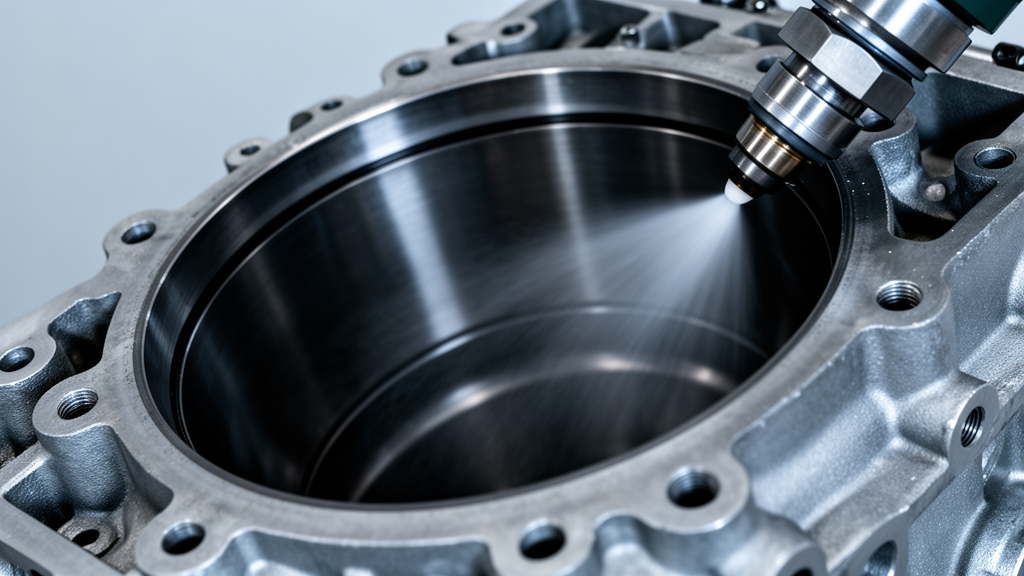
An experimental investigation has revealed that fueling a direct-injection diesel engine with a B20 blend of used temple oil methyl ester achieves significant reductions in carbon monoxide and hydrocarbon emissions at an intermediate injection pressure of 200 bar. In addition to measuring emission characteristics, the study evaluated key engine parameters to identify conditions that produce lower emissions. The testing, conducted on a four-stroke, direct-injection diesel engine across varied load conditions, identified fuel injection pressure and engine load as critical operational factors for controlling exhaust emissions.
Biodiesel is widely recognized as a renewable energy source and is increasingly considered a viable alternative to diesel in internal combustion engines. Given the cultural and religious significance of used temple oil in India, researchers noted a growing interest in utilizing used temple oil as a feedstock for biodiesel production. To evaluate this fuel, the researchers produced the biodiesel through a transesterification process and assessed its fuel properties according to ASTM standards.
To evaluate the effect of fuel delivery parameters on emission characteristics, the investigators conducted performance and emission tests on the four-stroke, direct-injection engine at injection pressures of 180, 200, and 220 bar. Testing across these three distinct injection pressures was carried out under various engine load conditions, allowing the researchers to determine how pressure adjustments and mechanical loading interact when running the engine on the B20 biodiesel blend.
The experimental results revealed that carbon monoxide and hydrocarbon emissions were significantly reduced when using the B20 biodiesel blend, especially at the intermediate injection pressure of 200 bar. Statistical regression models developed to analyze these emissions demonstrated high correlations with the experimental data. The regression model for carbon monoxide emissions achieved an R-squared value of 97.95 percent, while the model for hydrocarbon emissions achieved an R-squared value of 95.96 percent.
However, the exhaust measurements also highlighted specific trade-offs when operating on the used temple oil blend compared to standard diesel fuel. Emissions of nitrogen oxides and smoke opacity were slightly higher with the biodiesel blend than with diesel. The regression model for nitrogen oxide emissions yielded an R-squared value of 99.81 percent, which the authors noted indicates a strong dependence on engine load. Smoke opacity measurements exhibited a similar trend, registering a regression model R-squared value of 97.85 percent.
These findings demonstrate the critical role played by injection pressure and engine load in governing exhaust emissions when using used temple oil methyl ester in diesel engines. Regression analysis revealed that operating at the intermediate injection pressure of 200 bar resulted in reduced hydrocarbon, carbon monoxide, and nitrogen oxide emissions. The investigators concluded that identifying and maintaining optimal injection pressure is essential for minimizing emissions while utilizing used temple oil biodiesel.
Subject of Research: Emission optimization of diesel engines fueled with used temple oil biodiesel
Article Title: Experimental investigation on emission optimization of a diesel engine fueled with used temple oil methyl ester at different injection pressures
Article References: Saddu, S., Kivade, S. B., Nagamadhu, M., Natesan, K., & Prabhu S, S. (2026). Experimental investigation on emission optimization of a diesel engine fueled with used temple oil methyl ester at different injection pressures. Discover Applied Sciences. https://doi.org/10.1007/s42452-026-09830-4
Image Credits: AI Generated
DOI: 10.1007/s42452-026-09830-4
Keywords: used temple oil, temple oil methyl ester, biodiesel, diesel engines, direct-injection engines, injection pressure, engine load, carbon monoxide emissions, hydrocarbon emissions, nitrogen oxide emissions, smoke opacity, transesterification, B20 blend, ASTM standards, regression analysis, emission optimization
News Source: Denise Maddox. (November 18, 2026). Intermediate Injection Pressure Optimizes Emissions in Used Temple Oil Biodiesel Engine. Scienmag.