In recent years, the intersection of aging and traumatic brain injury (TBI) has increasingly drawn the focus of scientific inquiry, revealing a complex landscape where the long-term consequences of brain trauma conflate with the natural processes of aging. A pioneering exploratory qualitative research protocol published by Veilleux, Simard, Lapointe, and colleagues in BMC Geriatrics (2026) charts new territory by investigating intergenerational initiatives designed to enhance the health and well-being of individuals aging with TBI. This research sets the stage for transformative approaches that combine social innovation with clinical insight, addressing a vulnerable population often overlooked in aging research paradigms.
Traumatic brain injury remains one of the leading causes of long-term disability worldwide, with survivors frequently facing persistent physical, cognitive, and psychosocial challenges. When these individuals progress into older adulthood, their health trajectories become profoundly complicated by the coexistence of age-related decline and TBI sequelae. Despite this escalating public health concern, the mechanisms to support holistic well-being in this population remain underdeveloped. The study by Veilleux et al. directly confronts this gap by exploring intergenerational programs as vehicles to foster resilience, social connection, and improved health outcomes among aging TBI survivors.
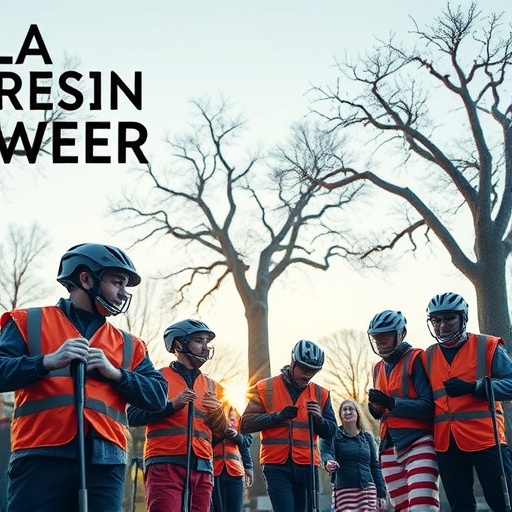
Intergenerational initiatives involve structured interactions between different age groups, typically younger and older individuals, fostering mutual support, knowledge exchange, and community cohesion. These programs have shown promising benefits in various settings, including care homes, community centers, and educational environments. The novelty of applying these initiatives to support people aging with TBI lies in recognizing the unique psychosocial and functional needs of this group, which require tailored approaches that can adapt to fluctuating cognitive and physical abilities while promoting empowerment and social inclusion.
The qualitative research protocol outlined by Veilleux and colleagues adopts an exploratory approach grounded in a participatory framework, emphasizing the lived experiences of aging individuals with TBI alongside their families and care providers. Methodologically, the study harnesses in-depth interviews and focus groups to gather nuanced insights, ensuring that the voices of those directly affected inform the development and refinement of intergenerational interventions. This process ensures that resulting programs are not only theoretically sound but also pragmatically feasible and culturally sensitive.
From a technical perspective, the investigation acknowledges the heterogeneity within the TBI population, incorporating considerations ranging from injury severity and neuropsychological profiles to social determinants of health. Such granularity is critical in understanding how intergenerational engagement may differentially impact participants based on their unique biopsychosocial contexts. Moreover, the study protocol addresses the ethical imperatives of conducting research with cognitively impaired populations, emphasizing consent processes, confidentiality measures, and the minimization of participant burden.
The research also situates itself within a broader social and epidemiological context marked by demographic shifts. As global populations age, the proportion of elderly individuals living with a history of TBI is expected to rise, amplifying the urgency of developing sustainable support models. Intergenerational programs, by bridging generational divides, have the potential to counteract the social isolation and stigma that often accompany brain injury and aging. This integrative approach may enhance psychological well-being and foster community resilience, which are crucial determinants of long-term health.
Implementing intergenerational initiatives in the context of TBI aging necessitates interdisciplinary collaboration, drawing expertise from neurology, geriatrics, rehabilitation sciences, social work, and community health. The research protocol’s design reflects this interdisciplinary ethos, outlining strategies to engage stakeholders across these domains in both research and translational efforts. Such collaboration ensures that interventions are evidence-based, scalability-oriented, and adaptable to diverse social infrastructures.
Beyond the immediate clinical and psychosocial benefits, intergenerational programs targeting older adults with TBI may yield systemic advantages, including cost savings through reduced healthcare utilization and enhanced community participation. These outcomes underscore the potential policy relevance of the research, advocating for integration of such initiatives into public health strategies and aging services. The study positions itself as a foundational step towards evidence-informed advocacy for expanded funding and implementation of intergenerational approaches.
Critically, the exploratory nature of the qualitative protocol emphasizes flexibility, allowing emergence of unexpected themes and adaptable intervention frameworks. By privileging participant narratives, the research honors the complexity of aging with TBI, capturing multifaceted realities rather than reductive stereotypes. This depth of understanding is vital for developing supportive programs that resonate on a personal level while being practically effective.
Moreover, technological adjuncts such as digital communication platforms could potentially amplify the reach and engagement of intergenerational initiatives, especially for individuals with mobility constraints. While not the primary focus of the current protocol, the study lays a foundation for future research integrating technological innovation with community-based models. This future direction could enhance accessibility and continuity of support, bridging geographic and temporal barriers.
The implications of Veilleux et al.’s work extend beyond the immediate target population, opening discourse on how society values and harnesses intergenerational solidarity in healthcare contexts. The study implicitly challenges ageist and ableist biases by demonstrating the potential for meaningful, reciprocal relationships between generations that promote dignity and well-being in the face of chronic disability. This reframing could have profound impacts on social policy and community development.
In conclusion, this exploratory qualitative research protocol represents a vital contribution to the evolving landscape of brain injury and aging research. By foregrounding intergenerational initiatives as innovative support mechanisms, Veilleux and colleagues champion a holistic, participatory, and context-sensitive approach to improving the quality of life for people aging with TBI. As this research advances from protocol to implementation and evaluation, it promises to illuminate new pathways for social integration, health promotion, and resilience in aging populations navigating the challenges of brain injury.
This study invites health professionals, policymakers, caregivers, and society at large to reconsider the possibilities for intergenerational engagement as a potent tool for healing and empowerment. Its methodological rigor and compassionate framing ensure that it will resonate deeply within geriatric and rehabilitation science communities, inspiring further investigation and pilot initiatives worldwide. The endeavor embodies a forward-thinking model of healthcare innovation—one that is inclusive, adaptive, and profoundly human.
Subject of Research:
Intergenerational initiatives to support health and well-being of people aging with traumatic brain injury.
Article Title:
Intergenerational initiatives to support health and well-being of people aging with traumatic brain injury: an exploratory qualitative research protocol.
Article References:
Veilleux, M., Simard, P., Lapointe, M. et al. Intergenerational initiatives to support health and well-being of people aging with traumatic brain injury: an exploratory qualitative research protocol. BMC Geriatr (2026). https://doi.org/10.1186/s12877-026-07318-9
Image Credits: AI Generated
DOI:
https://doi.org/10.1186/s12877-026-07318-9
Keywords:
Traumatic brain injury, aging, intergenerational initiatives, qualitative research, health and well-being, participatory research, rehabilitation, social inclusion
Tags: aging with traumatic brain injuryclinical approaches to aging and brain injurycognitive decline and traumatic brain injuryenhancing health outcomes after brain injuryholistic approaches to TBI rehabilitationholistic well-being in older adults with TBIimproving health outcomes for TBI survivorsintergenerational programs for elderly healthintergenerational support for brain injuryintergenerational support for brain injury survivorslong-term effects of TBI in elderlylong-term effects of TBI in older adultspsychosocial challenges in aging TBI patientspsychosocial challenges in aging TBI survivorsqualitative research on TBI and agingresilience building through intergenerational programsresilience-building in brain injury recoverysocial connection and brain injury recoverysocial connection benefits for TBI patientssocial innovation in brain injury caretransformative care models for brain injury