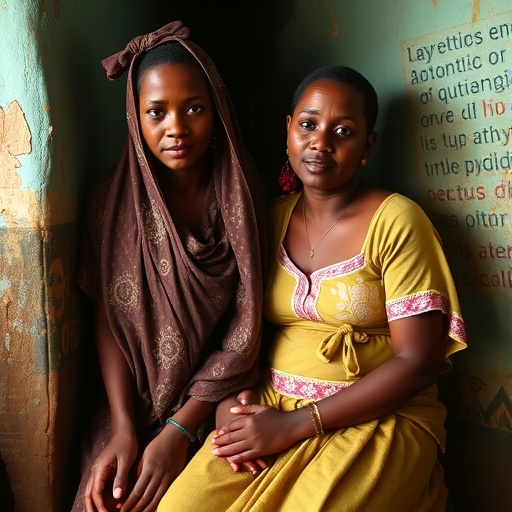
In recent years, public health discussions have increasingly spotlighted the intricate relationship between reproductive health services, particularly abortion care, HIV services, and family planning. In Ethiopia, a country marked by a diverse array of cultural and socio-economic factors, the integration of these services has emerged as a pressing concern. The challenges and prospects inherent in this integration are critically explored in a recent study led by researchers H.B. Adane and L. Roets. Their findings not only illuminate the barriers that hinder effective implementation of these health services but also highlight the potential benefits of creating a one-stop maternal health service.
Central to the discourse is the recognition that women’s reproductive health needs are often interconnected. In regions where HIV is prevalent, the provision of comprehensive reproductive health services is particularly vital. These services should encompass access to safe abortion care, family planning resources, and HIV prevention and treatment options. However, the journey towards integrating these services in Ethiopia is fraught with challenges ranging from societal stigmas to systemic healthcare limitations.
One of the major challenges identified is the deeply entrenched social stigma surrounding abortion. In many communities within Ethiopia, cultural beliefs and norms significantly influence attitudes towards abortion and reproductive health. Women seeking these services often encounter barriers that are not just physical but also psychological, stemming from fear of judgment and ostracism. This stigma complicates the delivery of comprehensive healthcare, as many women may opt to avoid seeking necessary services entirely.
Additionally, the Ethiopian healthcare system’s structural limitations present a formidable barrier to service integration. The existing infrastructure often lacks the resources and trained personnel required to offer cohesive care. Hospitals and clinics that serve women might separate these essential services, leading to fragmented care. Addressing these structural deficiencies is essential for achieving a system where services are accessible and comprehensive.
Furthermore, legal and policy frameworks governing reproductive health in Ethiopia can also impede effective integration. Although progress has been made towards liberalizing abortion laws, many barriers remain that limit access to safe abortion services. The legal landscape can create an environment of uncertainty for healthcare providers, who may feel constrained in what services they can offer or how they can discuss them with patients.
Moreover, the lack of awareness among women regarding their rights and available services compounds these issues. Many women remain uninformed about the lawful provisions for abortion in Ethiopia, leading to further hesitance in seeking care. If women are not aware of the options available to them, they cannot make informed choices about their reproductive health.
Nevertheless, there are positive prospects for integrating abortion care with HIV and family planning services. The researchers note that integrating these services can lead to numerous public health benefits. By providing comprehensive care in a single location, healthcare providers can facilitate a more holistic approach to maternal health. This approach not only diminishes the stigma associated with seeking care but also enhances the likelihood that women will utilize the services they need.
In a model where services are integrated, women could receive personalized care that encompasses testing and treatment for HIV, along with family planning and safe abortion services. This model could streamline healthcare delivery, ensuring that women do not have to navigate a complex and often fragmented system to meet their reproductive health needs. Furthermore, integrating these services could ensure that women receive consistent counseling, education, and support.
One of the crucial elements in fostering successful integration will be addressing the training needs of healthcare providers. Ongoing professional development opportunities could empower providers with the knowledge and skills necessary to effectively deliver these intertwined services. Training must also emphasize compassionate care that recognizes the unique challenges women face in seeking reproductive health services. By equipping healthcare workers with these tools, we could create a supportive and informed health environment.
The role of advocacy cannot be overlooked either. Creating awareness and promoting understanding around the interconnectedness of these health services is essential in reducing stigma and empowering women. Efforts to engage community leaders and stakeholders could foster a more supportive environment for women seeking care. By championing the necessity of integrated reproductive health services, advocates can help to reshape cultural perceptions and pave the way for policy advancements.
Additionally, leveraging technology could present innovative solutions for integrating these services. Telehealth, mobile health applications, and digital education platforms can play a crucial role in reaching underserved populations. These tools can facilitate access to information and services while providing a safe space for women to seek guidance without fear of judgment.
In conclusion, the integration of abortion care with HIV and family planning services in Ethiopia is both a challenging and promising endeavor. While societal stigma, legal barriers, and systemic healthcare deficiencies present significant hurdles, the potential for enhanced maternal health outcomes is undeniable. By fostering a more cohesive health service structure, educating healthcare providers, and advocating for community-wide support, the challenges can be mitigated, ultimately benefiting women across the nation. Such endeavors will require concerted and sustained efforts, but the prospects for a healthier future are bright.
Subject of Research: Integration of abortion care with HIV/family planning services in maternal health
Article Title: Challenges and prospects in integrating abortion care with HIV/family planning services as a one-stop maternal health service in Ethiopia
Article References:
Adane, H.B., Roets, L. Challenges and prospects in integrating abortion care with HIV/family planning services as a one-stop maternal health service in Ethiopia.
BMC Health Serv Res 25, 1625 (2025). https://doi.org/10.1186/s12913-025-13735-0
Image Credits: AI Generated
DOI: https://doi.org/10.1186/s12913-025-13735-0
Keywords: Ethiopia, reproductive health, integration, abortion care, HIV services, family planning, maternal health, social stigma, healthcare system, public health.
Tags: abortion care integration in Ethiopiachallenges of abortion in Ethiopiacomprehensive reproductive health servicescultural factors affecting reproductive healthfamily planning and maternal healthHIV and reproductive health servicesHIV prevention and treatment optionsmaternal health service accessibilityone-stop maternal health servicespublic health in Ethiopiasocial stigma surrounding abortionwomen’s health needs in Ethiopia