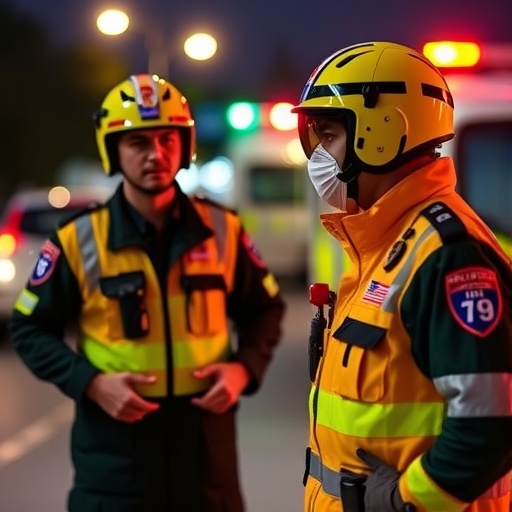
In a groundbreaking study recently published in BMC Health Services Research, researchers from Australia have delved into the critical issue of overtime perceptions among paramedics. This study, conducted through a Delphi method, seeks to address the often-overlooked legal and ethical implications surrounding overtime work in the healthcare sector, particularly in emergency medical services. The opinions and experiences of paramedics serve as a cornerstone for understanding what constitutes “reasonable” overtime in their profession.
The backdrop of the research is crucial in comprehending the complexities tied to overtime. Paramedics operate in high-stress environments where every second counts, often facing unpredictable shifts that extend their working hours far past the originally scheduled time. The implications of this environment not only affect their professional responsibilities but also have profound ramifications for their mental and physical well-being. By examining the perceptions of overtime among this vital workforce, the study aims to provide substantial recommendations for policy change and improve workforce sustainability.
Using the Delphi method, which involves a series of rounds in which experts in the field can provide anonymous feedback and refine their opinions, the researchers sought high-level input from paramedics across the country. This iterative process allows for a convergence of opinions that can inform best practices regarding overtime policies. The researchers aimed to define the boundaries of acceptable overtime, a task made challenging by the unpredictable nature of emergency medical service operations.
One of the critical findings of the study was the varied perceptions of “reasonable” overtime among paramedics. Many participants conveyed their experiences with being overworked, connecting excessive overtime not only to fatigue but also to a decrease in job satisfaction and a potential increase in medical errors. This subtle, yet alarming correlation can compromise patient care—an outcome that raises significant ethical questions for the healthcare industry.
Furthermore, participants highlighted the emotional toll of working extended hours, often leading to feelings of burnout and reduced job engagement. This factor is particularly troubling, as it can drive a cycle of attrition, where experienced paramedics leave the profession, further straining an already overburdened system. The study underlines the necessity for paramedic organizations to establish clear guidelines that prioritize their wellbeing as much as they do patient care.
Interestingly, the study discovered generational differences in the perceptions of overtime. Younger paramedics appeared more attuned to the necessity of work-life balance, advocating for policies that would allow them to disconnect from their professional responsibilities after shifts. In contrast, seasoned paramedics seemed more accepting of extended hours, often viewing it as an inherent aspect of the job. This generational divide complicates the development of universal policies that can satisfy the entire demographic within the paramedic workforce.
As the findings unfolded, the researchers stressed the importance of clear communication between paramedics and their employers regarding overtime expectations. Participating paramedics pointed out that transparency could create an environment of trust, enhancing satisfaction and potentially reducing turnover rates. This highlights the dual importance of operational efficiency and employee satisfaction—an aspect that should not be mutually exclusive in a well-functioning public health framework.
The ramifications of this study extend beyond mere policy formulation. The researchers argue that understanding the perceptions of overtime can serve as a critical touchstone for broader discussions about workforce development. With the increasing demand for emergency services, the implications of this research can guide recruitment efforts to ensure that the workforce is not only capable but also resilient.
In an era of heightened awareness about mental health, the study adds a layer of urgency to the discussion about paramedic welfare. As providers of emergency care, paramedics carry the burden of not only responding to crises but also managing their emotional and mental health while doing so. Implementing policies that consider these factors can enhance not only their wellbeing but also patient outcomes, creating a virtuous cycle of care.
The researchers concluded the study by urging stakeholders, including government bodies and healthcare organizations, to consider the findings seriously and act upon them. Establishing reasonable overtime policies is not just a labor issue; it is fundamentally tied to the quality of care that patients receive. By nurturing a supportive environment for paramedics, the healthcare system as a whole stands to benefit.
In summary, this Delphi study on Australian paramedics’ perceptions of overtime opens a critical dialogue about an essential workforce. It underscores the need for policy innovation that balances operational demands with the wellbeing of those who dedicate their lives to saving others. As the healthcare landscape evolves, it is essential to prioritize the voices of paramedics to ensure they remain available and engaged in their indispensable roles.
The research not only highlights the immediate concerns surrounding overtime work for paramedics but also lays the foundation for long-term improvements. The potential for policy changes stemming from these findings could enhance job satisfaction, lower turnover rates, and ultimately improve patient care—an aspiration that should resonate across healthcare sectors globally.
The future of emergency medical services hinges on ensuring that paramedics are not just seen as responders but as valued professionals deserving of a healthy work-life balance. Understanding and addressing the complexities of their experiences with overtime is a step forward in preserving the integrity of this vital occupation in the healthcare system.
Subject of Research: Paramedics’ perceptions of reasonable overtime
Article Title: Australian paramedics’ perceptions of reasonable overtime: a Delphi study
Article References: Ferris, M.J., Bowles, KA., Lalor, A. et al. Australian paramedics’ perceptions of reasonable overtime: a Delphi study. BMC Health Serv Res 25, 1624 (2025). https://doi.org/10.1186/s12913-025-13736-z
Image Credits: AI Generated
DOI: https://doi.org/10.1186/s12913-025-13736-z
Keywords: Overtime, paramedics, Delphi study, healthcare, work-life balance, job satisfaction, burnout, emergency services, mental health, policy reform.
Tags: Australian paramedic experiencesDelphi method in researchemergency medical services challengesethical considerations in healthcarehealthcare sector workforce issueshigh-stress environments in emergency serviceslegal implications of overtime workmental health impact on paramedicsovertime perceptions among paramedicspolicy recommendations for paramedic workreasonable overtime expectationsworkforce sustainability in healthcare