


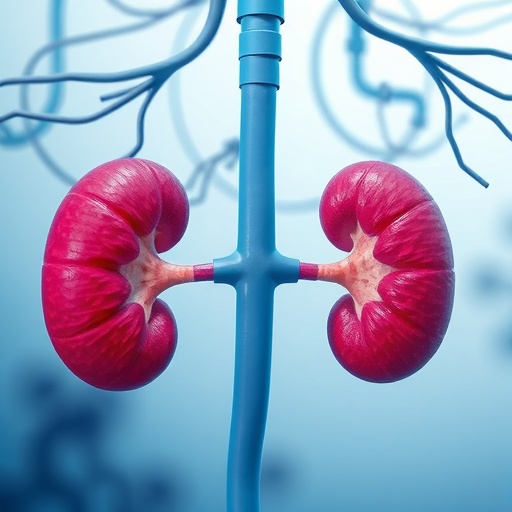
In recent years, the nexus between hypertension and nephropathy has garnered increased attention in the medical community, particularly in regions where hypertension is endemic. A substantial study conducted in Xinjiang, China, sheds light on this pressing health issue by investigating the knowledge, attitudes, and practices of hypertensive patients regarding hypertensive nephropathy. The research, led by renowned experts Jiang, Zhang, and Wang, utilized a cross-sectional study design to collect comprehensive data from a diverse patient population, revealing significant gaps in awareness that could have far-reaching consequences for public health.
Hypertensive nephropathy, which refers to kidney damage caused by chronic high blood pressure, is a silent yet perilous condition that can lead to end-stage renal disease. As hypertension affects a substantial portion of the global population, its complications—particularly nephropathy—pose severe health risks that necessitate timely intervention and education. The study in Xinjiang emerges as a crucial endeavor to assess the current state of understanding among patients and to identify the specific barriers they face in managing their health.
The methodological approach adopted in this investigation is both robust and innovative. Researchers implemented a structured questionnaire that assessed not only the knowledge levels of hypertensive patients regarding nephropathy but also their attitudes and practices in managing their condition. This data collection method ensures that the insights garnered are both reliable and reflective of the broader patient experience in the region. The findings highlight that a significant proportion of hypertensive patients lack essential knowledge about the relationship between their condition and potential kidney complications.
Another critical aspect examined in the study was the impact of socio-demographic factors on the knowledge and attitudes of participants. Age, education level, and socioeconomic status were identified as influential determinants that shaped patients’ perceptions of hypertensive nephropathy. Notably, younger patients and those with higher educational attainment demonstrated a better understanding of the risks associated with hypertension. This correlation underscores the importance of targeted education programs that address the specific needs of different demographic groups, adapting messages to resonate with various audiences.
The study also reveals alarming instances of misinformation and confusion among patients. Many participants expressed uncertainty regarding the severity of hypertensive nephropathy, often dismissing it as a non-critical consequence of high blood pressure. This misapprehension can lead to neglect in disease management, ultimately exacerbating health outcomes. The authors of the study emphasize the urgent need for public health initiatives aimed at not only increasing awareness but also fostering proactive management strategies among hypertensive patients.
In addition to knowledge gaps, the study explored the attitudes of patients toward seeking medical care in the event of symptoms suggestive of nephropathy. The findings suggest a tendency among many individuals to rely on home remedies or alternative therapies rather than pursuing formal medical intervention. This reluctance poses a significant barrier to early diagnosis and treatment, which are vital for preventing irreversible kidney damage. The study calls for healthcare providers to cultivate an environment where patients feel comfortable discussing their symptoms and concerns without fear of stigma or misunderstanding.
The existing healthcare infrastructure in Xinjiang presents additional challenges to effective management of hypertensive nephropathy. Many patients reported difficulties accessing specialized care, citing issues such as transportation barriers and a lack of nearby healthcare facilities. Furthermore, healthcare professionals in the region often face time constraints that limit their ability to provide thorough education and counseling to patients. Addressing these systemic barriers is crucial to enhancing patient outcomes and ensuring that individuals receive the comprehensive care they need.
Education emerges as a pivotal theme throughout the study’s findings. The authors advocate for the implementation of educational interventions tailored specifically to hypertensive patients, incorporating information about nephropathy into routine hypertension care. Such programs could utilize a variety of formats, including community workshops, informational pamphlets, and digital media campaigns. By utilizing multiple channels, healthcare providers can effectively disseminate information, bridging the knowledge gap identified in the survey.
Collaboration between public health organizations and local communities is also highlighted as vital for fostering a culture of health awareness. Engaging community leaders and employing culturally sensitive messaging can enhance the reach and impact of educational campaigns. By harnessing local networks, healthcare professionals can promote understanding and adherence to management strategies among hypertensive patients, ultimately reducing the incidence of nephropathy.
The findings of this cross-sectional study serve not only as a snapshot of current attitudes and knowledge regarding hypertensive nephropathy in Xinjiang but also as a call to action for healthcare policymakers. The data underscores the necessity of investing resources into educational initiatives that empower patients and equip them with the tools to manage their hypertension effectively. Furthermore, these efforts can contribute to broader public health goals by reducing the burden of chronic diseases associated with hypertension, such as cardiovascular disease and renal failure.
In conclusion, the study presents critical insights into the knowledge, attitudes, and practices surrounding hypertensive nephropathy among patients in Xinjiang, China. By identifying knowledge gaps and barriers to care, researchers offer a roadmap for targeted interventions that have the potential to enhance patient outcomes and promote greater awareness of chronic diseases related to hypertension. As healthcare systems around the world grapple with the rising tide of non-communicable diseases, findings from this research are imperative in guiding future strategies designed to empower patients and foster healthier communities.
Such comprehensive investigations highlight the intersection of chronic illness management, patient education, and public health policy. The ramifications of this research extend far beyond Xinjiang and serve as a clarion call for similar studies globally, ensuring that patients everywhere are adequately informed and equipped to navigate the complexities of their health conditions.
Subject of Research: Knowledge, attitudes, and practices regarding hypertensive nephropathy among hypertensive patients in Xinjiang, China.
Article Title: Knowledge, Attitudes, and Practices Survey on Hypertensive Nephropathy Among Hypertensive Patients in Xinjiang, China: A Cross-Sectional Study.
Article References:
Jiang, W., Zhang, X., Wang, M. et al. Knowledge, Attitudes, and Practices Survey on Hypertensive Nephropathy Among Hypertensive Patients in Xinjiang, China: A Cross-Sectional Study.
J GEN INTERN MED (2026). https://doi.org/10.1007/s11606-025-10079-7
Image Credits: AI Generated
DOI: https://doi.org/10.1007/s11606-025-10079-7
Keywords: Hypertensive nephropathy, hypertension, patient education, public health, chronic disease management.
Tags: chronic high blood pressure effectschronic kidney disease preventioncross-sectional study on nephropathyhealthcare practices in hypertensive patientshypertension management in Xinjianghypertensive nephropathy awarenesskidney health and hypertensionnephropathy knowledge gapsnephropathy risk factorspatient attitudes towards hypertensionpatient education on nephropathypublic health implications of hypertension



