Glucagon-like peptide-1 (GLP-1) receptor agonists have rapidly ascended from niche diabetes treatments to globally recognized therapeutic agents that are revolutionizing obesity and metabolic disease management. Originally FDA-approved as injectable drugs for type 2 diabetes, these agents have demonstrated compelling efficacy by simultaneously enhancing insulin secretion, suppressing glucagon release, curbing appetite, and modulating gastric motility. Yet despite their transformative potential, the real-world application of GLP-1 receptor agonists is impeded by factors such as high manufacturing costs, the burden of injection-based delivery, and adverse gastrointestinal side effects. These limitations particularly restrict access in resource-constrained settings, prompting a critical need for innovation in drug formulation and delivery methods.
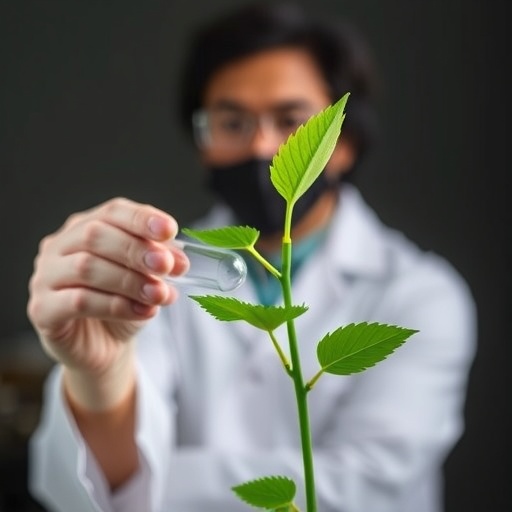
Addressing this challenge, a pioneering research team led by Dr. Henry Daniell at the University of Pennsylvania’s School of Dental Medicine has developed a novel oral delivery platform for GLP-1 receptor agonists exenatide and lixisenatide, circumventing the pitfalls of current injectable and oral formulations. Their groundbreaking study, recently published in the prestigious Plant Biotechnology Journal, elucidates how engineering the chloroplast genome of lettuce to biosynthesize functional GLP-1 peptides could dramatically shift the paradigm in diabetes and obesity therapeutics. This research exploits the natural properties of plant cells to protect therapeutic peptides from digestive degradation and facilitate intestinal absorption, promising increased affordability and patient adherence.
One of the foremost obstacles in oral peptide drug development lies in protecting these biologically fragile molecules from proteolytic enzymes and acidic environments in the stomach. Unlike small molecules, peptides are vulnerable to rapid denaturation and enzymatic cleavage during gastrointestinal transit. Conventional oral formulations of GLP-1 agonists, such as semaglutide pills, require stringent fasting protocols and substantial aqueous intake to ensure bioavailability, yet still provoke frequent nausea and diarrhea, limiting their tolerability. Dr. Daniell’s approach ingeniously leverages plant cellular encapsulation, where therapeutic peptides are sequestered within intact plant cell walls that resist degradation by human gastric enzymes, effectively bypassing the stomach’s acidic milieu.
Lettuce chloroplasts represent an ideal biomanufacturing chassis for several compelling reasons. Chloroplasts harbor their own genomes and biosynthetic machinery that facilitate high-yield production of complex proteins with post-translational modifications necessary for bioactivity. Genetic engineering of the chloroplast genome ensures transgene containment and stable expression without integration into the nuclear DNA, significantly reducing gene flow risks. Moreover, the edible nature of lettuce allows the direct use of lyophilized plant material as an oral delivery vehicle, simplifying the formulation process and potentially slashing manufacturing expenses.
By harnessing the intrinsic enzymatic flora of the human gut, which can degrade plant cell walls, the encapsulated GLP-1 peptides become bioaccessible only upon reaching the intestines. This targeted release mechanism enhances the peptides’ stability and absorption efficiency, circumventing the need for harsh chemical coatings or complex excipients. Importantly, the use of natural GLP-1 peptides, rather than modified synthetic analogs containing artificial amino acids designed to prolong half-life, may reduce adverse effects that have historically limited patient tolerability. Clinical experience with exenatide and lixisenatide over several decades attests to their relative gastrointestinal safety profiles.
From a biochemical perspective, the plant chloroplast system performs necessary post-translational modifications—such as proper folding, disulfide bond formation, and glycosylation—that are critical for GLP-1 receptor agonist functionality. This biological capability eliminates complex chemical modification steps that are costly and technically challenging in conventional peptide synthesis. The resulting product is thus not only functional but also produced via a sustainable, scalable, and low-cost platform suitable for global health applications.
The economic implications of this technology are perhaps its most transformative aspect. Traditional synthesis, purification, and formulation of injectable GLP-1 receptor agonists involve multiple resource-intensive stages, rendering these drugs prohibitive in many healthcare systems. In contrast, cultivating genetically engineered lettuce is a low-input, scalable agricultural process. As Dr. Daniell aptly highlights, the cost model for such a plant-based production system is fundamentally different—patients might essentially pay for a leaf of lettuce. This innovative cost structure promises to democratize access to life-altering medications, especially in low- and middle-income countries that bear the brunt of diabetes and obesity epidemics.
The research team’s success builds upon prior breakthroughs demonstrating oral delivery of other biopharmaceuticals using plant encapsulation, notably their work on oral insulin. Translational readiness is a core focus as they scale-up production capabilities, leveraging the University of Pennsylvania’s sophisticated facilities geared towards advancing batch production suitable for early-phase clinical trials. This translational outlook underscores the team’s commitment to bridging cutting-edge genetic engineering with real-world therapeutic impact.
Although still in preclinical stages, this chloroplast-expressed GLP-1 receptor agonist platform signifies a major stride towards patient-friendly, needle-free, oral diabetes treatments. Such innovations resonate profoundly in an era demanding improved adherence, reduced healthcare costs, and equitable access to medicine worldwide. Preventing the gastrointestinal discomfort commonly associated with synthetic GLP-1 analogs, while retaining clinical efficacy, also has the potential to spur wider acceptance among patients traditionally hesitant to commence injectable therapies.
In sum, Dr. Daniell’s research heralds the convergence of plant biotechnology, genetic engineering, and metabolic medicine. By unlocking plants as biofactories that simultaneously shield, modify, and deliver therapeutic peptides, this platform reimagines pharmaceutical manufacturing through a lens of sustainability, precision, and patient-centered design. As this technology matures into clinical application, it promises to redefine how we conceive and distribute treatments for chronic metabolic diseases, potentially alleviating the global burden of diabetes and obesity with an innovation as simple and elegant as a leaf of lettuce.
Henry Daniell is the W.D. Miller Professor in the Department of Basic & Translational Sciences at the School of Dental Medicine, University of Pennsylvania.
Rahul Singh is a research associate in the Department of Basic & Translational Sciences at Penn Dental Medicine.
This transformative work was supported by NIH grant R01 HL 107904 and spearheaded by a team with deep expertise in plant-based oral drug delivery systems.
Subject of Research: Not applicable
Article Title: Engineering Marker-Free Lettuce Chloroplast Genome to Express Functional Glucagon-Like Peptide-1 Receptor Agonists Exenatide and Lixisenatide
News Publication Date: 24-Jan-2026
Web References: DOI 10.1111/pbi.70554
References: Plant Biotechnology Journal, NIH grant R01 HL 107904
Image Credits: Not provided
Keywords: Bioengineering, Biotechnology, Genome engineering, Diabetes, Type 2 diabetes, Peptides, Agonists, Plant cells, Chloroplasts
Tags: affordable diabetes treatment innovationschloroplast genome engineeringexenatide and lixisenatide biosynthesisGLP-1 peptide stability in digestionnon-injectable metabolic therapynovel diabetes drug formulationsobesity and diabetes drug developmentoral GLP-1 receptor agonistsplant biotechnology for therapeuticsplant-based GLP-1 deliveryresource-limited healthcare solutionsUniversity of Pennsylvania dental medicine research