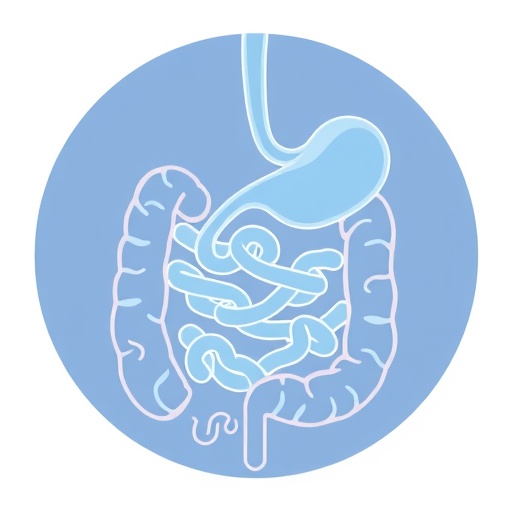
When sections of the small intestine become diseased or necrotic, the primary intervention often necessitates surgically excising the impaired segments, a procedure known as radical small bowel resection. While this surgical approach is lifesaving, it frequently precipitates severe long-term complications, notably progressive liver injury that may culminate in liver failure. Unfortunately, up to 15% of patients undergoing such resections experience this deleterious hepatic outcome, and presently, clinical options for preventing or effectively managing this complication remain nonexistent.
In a groundbreaking preclinical study conducted at Washington University School of Medicine in St. Louis, researchers developed and evaluated a novel therapeutic compound that offers hope in combating post-resection liver damage. Their findings, recently published in Gastroenterology, reveal that this new agent selectively targets the gastrointestinal tract, enhancing nutrient absorption and providing a protective effect on the liver, all while circumventing systemic side effects often associated with similar drugs.
The impetus for this work stems from the clinical challenge posed by short bowel syndrome, a condition that arises following extensive intestinal resection. Patients, particularly premature infants afflicted with necrotizing enterocolitis—a devastating inflammatory condition leading to intestinal tissue necrosis—survive by surgical removal of diseased segments but consequently face nutrient malabsorption and a high risk of liver disease. The reliance on parenteral nutrition via intravenous feeding exacerbates hepatic stress, contributing to fibrosis and often necessitating eventual liver transplantation.
Previous investigations by the late Dr. Brad Warner and colleagues uncovered a mechanistic link between gut-derived bacterial products and liver injury following bowel resection. Their studies identified that detrimental substances originating in the intestine translocate to the liver, inducing inflammatory and fibrotic responses. Interestingly, high-density lipoprotein (HDL), commonly known as “good cholesterol,” was observed to serve a protective function, neutralizing these harmful factors and mitigating hepatic damage.
Building on this foundation, the current research targeted the liver X receptor (LXR) pathway, a key regulator of cholesterol metabolism that can stimulate HDL production. Although systemic LXR agonists have been studied previously, their broad activation throughout the body resulted in severe metabolic side effects, precluding their clinical use. To overcome these limitations, the team synthesized a gut-restricted LXR agonist, designated WUSTL0717, engineered to activate LXR exclusively in the intestinal environment without systemic exposure.
Using rodent models of small bowel resection, researchers demonstrated that oral administration of WUSTL0717 resulted in localized intestinal activity, with the compound remaining confined to the gut lumen and mucosa. Most strikingly, treated mice exhibited significant protection against the common post-resection sequela of irreversible weight loss, indicating improved digestive and absorptive function. This improvement likely reflects enhanced HDL-mediated neutralization of gut-derived toxins, reducing their hepatic deposition.
Crucially, the study documented striking reductions in liver fibrosis markers in WUSTL0717-treated animals. Histological analyses revealed diminished collagen accumulation within hepatic tissue, a hallmark of scar formation that compromises liver function. Complementary genetic profiling substantiated these findings by showing downregulation of fibrosis-associated genes, including those encoding collagen-producing pathways, underscoring the compound’s potential to arrest or reverse fibrotic progression.
This novel pharmacological strategy holds particular appeal for its tissue-specific precision, enabled by medicinal chemistry approaches that limit drug distribution. By confining LXR activation to the intestine, WUSTL0717 avoids the metabolic disturbances previously observed with systemic agonists, such as dyslipidemia and hepatic steatosis. The design principle exemplifies a broader therapeutic paradigm shift toward localized, side effect-sparing interventions for complex systemic diseases.
The involvement of multidisciplinary expertise was critical to the synthesis and functional validation of WUSTL0717. Dr. Bahaa Elgendy, a medicinal chemist specializing in anesthesiology and drug development, led efforts to chemically optimize this candidate compound, ensuring its gut-restricted pharmacokinetics and efficacy. Collaborative input from immunologists and pediatric surgeons provided mechanistic insights and translational relevance, anchoring the study in clinical imperatives.
Looking ahead, the research team plans to extend their investigations by evaluating whether WUSTL0717 maintains its hepatoprotective properties under the added duress of intravenous nutrition regimens. Given that parenteral feeding contributes to liver injury in short bowel syndrome, confirming the compound’s effectiveness under these conditions will be instrumental in advancing toward human clinical trials.
Beyond its immediate application, this study exemplifies how re-examining pharmacological targets once deemed impractical due to safety concerns can be revitalized through tissue-specific drug design. The successful implementation of a gut-restricted LXR agonist paves the way for novel therapies that harness endogenous protective pathways while mitigating systemic toxicity, offering a blueprint for addressing other complex diseases involving organ crosstalk.
For patients afflicted with short bowel syndrome and the associated risk of liver failure, these preclinical findings represent a significant scientific advance. Therapies that preserve liver function while promoting nutrient absorption could drastically enhance long-term outcomes and quality of life, transforming the management landscape for this vulnerable population.
The researchers have secured intellectual property protections for the therapeutic use of intestinal LXR agonists in treating intestinal failure, signaling a commitment to translating these promising laboratory discoveries into viable medical treatments. Their clinical ambitions underscore the urgent need for solutions to prevent devastating post-surgical complications that currently lack effective interventions.
As this line of research progresses, the integration of medicinal chemistry, immunology, and surgical science continues to illuminate novel pathways for intervention in gastrointestinal and hepatic diseases. The emergence of WUSTL0717 as a targeted, gut-restricted therapeutic agent heralds a new frontier in precision medicine, where molecular specificity aligns with clinical necessity to yield safer, more efficacious treatments for complex syndromes.
Subject of Research: Animals
Article Title: A gut-restricted LXR agonist ameliorates liver injury in experimental short bowel syndrome
News Publication Date: 6-Mar-2026
Web References: http://dx.doi.org/10.1053/j.gastro.2025.12.015
References: Kim A, Alligood DM, Maram L, et al. A gut-restricted LXR agonist ameliorates liver injury in experimental short bowel syndrome. Gastroenterology. 6-Mar-2026. DOI: 10.1053/j.gastro.2025.12.015.
Keywords: short bowel syndrome, liver X receptor agonist, WUSTL0717, liver fibrosis, small bowel resection, gut-restricted therapy, liver protection, HDL, necrotizing enterocolitis, parenteral nutrition
Tags: liver failure prevention therapiesliver protection in post-surgical patientsnecrotizing enterocolitis surgical managementnovel gastrointestinal therapeutic compoundsnutrient absorption enhancement after bowel surgerypediatric intestinal surgery complicationspost-intestinal surgery complicationspreclinical studies in gastrointestinal medicineprogressive liver injury after surgeryradical small bowel resection outcomesshort bowel syndrome treatment innovationstargeted drug delivery to the digestive tract