In a groundbreaking study published in the Journal of Translational Medicine, researchers led by Lan, B. and colleagues, devised a formidable strategy against gastric cancer, focusing on the intricate mechanisms of transcription regulation. Their work emphasizes the critical role of super-enhancers in the transcription of potent oncogenes such as SKIL (SKI-like), which are instrumental in promoting tumorigenesis. Gastric cancer continues to be one of the leading causes of cancer-related mortality worldwide, underscoring the urgency for innovative therapeutic strategies.
The researchers explored the use of THZ1, a selective CDK7 inhibitor, known to disrupt the function of transcriptional kinases. By targeting the super-enhancer landscapes associated with SKIL, they demonstrated a significant reduction in gastric cancer cell proliferation. This approach is particularly compelling as it addresses the underpinnings of cancer at a foundational level—by inhibiting dysregulated transcription rather than merely targeting downstream effects.
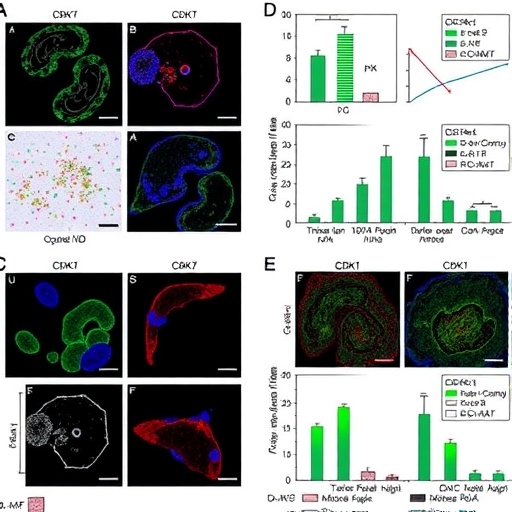
In their experimental framework, the team employed a series of in vitro assays to quantify the expression levels of SKIL post-treatment with THZ1. The data revealed a stark decrease in SKIL transcription, corroborated by diminished cellular viability. This reduction highlights the potential of THZ1 in mitigating the aggressive nature of gastric cancer by effectively crippling a central regulatory node in the cancer’s genetic expression machinery.
The study also delves into the complexity of the molecular interactions at play within the super-enhancer regions. Super-enhancers are defined as large clusters of transcriptional enhancers that drive the expression of key oncogenes and are often found at the nexus of various signaling pathways. By delineating the impact of CDK7 inhibition on these super-enhancers, the authors provided new insights into how alterations in transcriptional control can influence tumor behavior.
Interestingly, the implications of this research extend beyond gastric cancer. The methodology developed could serve as a blueprint for tackling other malignancies characterized by super-enhancer-driven transcriptional networks. This convergence of cancer genomics and therapeutic intervention indicates a paradigm shift in the design of targeted cancer therapies.
Furthermore, the paper discusses the potential side effects of CDK7 inhibitors, which have been reported in various preclinical models. The authors suggest that a careful balancing act will be necessary to maximize therapeutic efficacy while minimizing adverse effects. By integrating this research into ongoing clinical trials for CDK7 inhibitors, the development of more refined and effective cancer therapies can be achieved.
As the study unfolds, it poses critical questions about the future of cancer treatment modalities. Will CDK7 inhibitors like THZ1 pave the way for new standards in managing gastric cancer? Or will they become just another tool in an ever-expanding arsenal of cancer therapeutics?
The rigorous experimental design and the necessity for further exploration into the mechanisms governing super-enhancer activity posit exciting directions for future research. Moving forward, the integration of genomic data with clinical outcomes will be crucial for the successful application of these findings in real-world clinical scenarios.
Moreover, the authors advocate for a multi-targeted approach to cancer therapy, recognizing that single-agent strategies may not suffice in overcoming the complexities of tumor biology. This perspective heralds a shift towards combination therapies that synergistically enhance the therapeutic window and combat resistance mechanisms.
The findings presented in this study not only add a significant piece to the puzzle of gastric cancer treatment but also emphasize the potential of transcriptional regulation as a therapeutic target in various cancers. With the intricate interplay of oncogenic drivers and regulatory elements illuminated by this research, the path towards more effective therapeutic strategies appears promising.
Ultimately, the study by Lan et al. signals a transformative step in the ongoing battle against gastric cancer. By identifying CDK7 as a pivotal player in super-enhancer-driven tumor progression, they provide compelling evidence that supports a focused exploration of transcriptional inhibition as a valid therapeutic avenue. The convergence of molecular biology and targeted therapy in this research highlights the possibilities that lie ahead in cancer treatment paradigms.
As the scientific community strives towards innovative solutions to combat cancer, these findings underscore the necessity for continued investment in understanding the fundamental biology of cancer. The potential for enhanced treatment options rests on the integration of cutting-edge research with clinical application, which this study exemplifies eloquently.
In conclusion, targeting super-enhancer-driven transcription presents a novel and promising approach in the fight against gastric cancer. Through the inhibition of CDK7 by THZ1, the authors unveil a path forward that could significantly alter therapeutic landscapes and improve patient outcomes. As researchers are armed with this knowledge, the hopeful prospect of curbing the tide of gastric cancer becomes increasingly tangible and transformative.
Subject of Research: Gastric cancer and CDK7 inhibition
Article Title: Targeting super-enhancer-driven SKIL transcription by CDK7 inhibitor THZ1 to suppress gastric cancer progression
Article References:
Lan, B., Zhou, T., Pan, L. et al. Targeting super-enhancer-driven SKIL transcription by CDK7 inhibitor THZ1 to suppress gastric cancer progression.
J Transl Med (2026). https://doi.org/10.1186/s12967-026-07721-1
Image Credits: AI Generated
DOI: 10.1186/s12967-026-07721-1
Keywords: gastric cancer, CDK7 inhibitor, THZ1, super-enhancers, transcription regulation
Tags: cancer-related mortality and treatment advancementsCDK7 inhibition in gastric cancergastric cancer therapeutic strategiesin vitro assays for cancer researchinnovative treatments for gastric cancermechanisms of gastric cancer progressiononcogene SKIL and tumorigenesisreducing gastric cancer cell proliferationtargeting SKIL super-enhancersTHZ1 selective inhibitor for cancertranscription regulation in oncologytranscriptional kinases in cancer therapy