


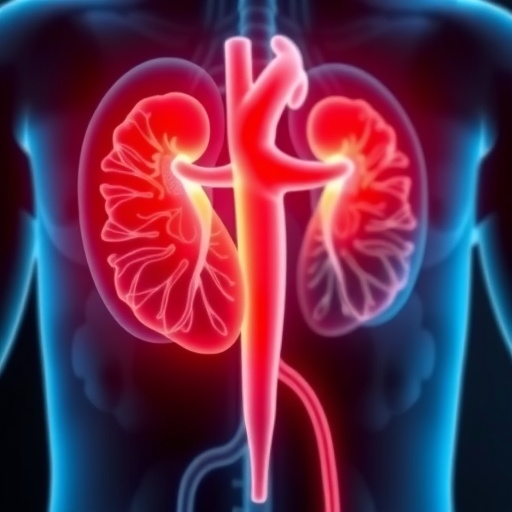
Recent advancements in diabetes therapy have taken a significant turn as researchers delve into incretin modulation, revealing its profound potential to alter cardiovascular and renal outcomes. In a groundbreaking study led by Miramontes-González and colleagues, the focus on incretin-based therapies highlights how they are poised to reshape the landscape of diabetes management, ensuring not only glycemic control but also improved heart and kidney health. This research contributes to a deeper understanding of the interconnected nature of diabetes with other comorbid conditions, presenting a multifaceted approach to treatment that goes beyond traditional methods.
Incretins, which are hormones released in response to food intake, have been identified as key players in glucose metabolism. Particularly, glucagon-like peptide-1 (GLP-1) and glucose-dependent insulinotropic polypeptide (GIP) play essential roles in stimulating insulin secretion and inhibiting glucagon release. Their ability to regulate blood sugar levels has been well-documented, but recent findings suggest their impact extends much further, potentially reducing the risk of cardiovascular events and renal complications commonly associated with diabetes.
The emerging class of GLP-1 receptor agonists has garnered attention for their dual benefits. Not only do they facilitate weight loss in patients—a critical factor in managing type 2 diabetes—but they also demonstrate a unique cardiovascular protective effect. Clinical trials have consistently showcased that these agents can significantly lower the incidence of major adverse cardiovascular events, including myocardial infarction and stroke, providing a compelling argument for their inclusion in diabetes treatment protocols.
Moreover, the renal benefits of incretin modulation cannot be overlooked. Diabetes is a leading cause of chronic kidney disease, and the ongoing deterioration of renal function poses a significant health threat to millions worldwide. Remarkably, incretin-based therapies have shown promise in slowing the progression of diabetic nephropathy. Evidence from large-scale clinical studies indicates that patients on GLP-1 receptor agonists exhibit a reduced risk of worsening renal function, a finding that may revolutionize the approach to managing this prevalent diabetes complication.
The mechanisms underlying these protective effects are complex and multifactorial. Incretins not only enhance insulin secretion and action but also exhibit anti-inflammatory and antioxidant properties, which can mitigate the detrimental effects of hyperglycemia. Furthermore, they influence renal hemodynamics, improving glomerular filtration rates and reducing albuminuria—a key indicator of kidney damage. This mechanistic insight positions incretin-based therapies as holistic agents capable of addressing multiple facets of diabetes pathophysiology.
In the context of personalized medicine, the findings from Miramontes-González and colleagues underscore the importance of tailoring diabetes treatment. With the knowledge that incretin modulators can enhance both cardiovascular and renal health, clinicians are better equipped to develop individualized treatment plans that align with patients’ specific risk profiles. This shift towards a more nuanced approach to diabetes management heralds a new era in clinical practice, emphasizing the necessity of considering patient comorbidities.
Looking ahead, ongoing research endeavors aim to further elucidate the full therapeutic potential of incretin-based therapies. Investigational studies are exploring combinations of GLP-1 receptor agonists with other antidiabetic agents, hoping to amplify their benefits while addressing various aspects of the illness simultaneously. Such integrative strategies could propel advancements in diabetes care, ensuring that patients receive comprehensive treatment that prioritizes long-term health outcomes beyond mere glycemic control.
The excitement surrounding incretin modulation reflects a growing recognition of the shared pathways involved in diabetes, cardiovascular health, and renal function. As researchers continue to uncover the intricate relationships between these conditions, it is plausible that new therapies will emerge that not only cater to blood sugar management but also proactively safeguard heart and kidney health, enhancing quality of life for affected individuals.
Importantly, the societal implications of these advancements in diabetes therapy are significant. With the growing prevalence of type 2 diabetes worldwide, effective management strategies that mitigate complications are paramount. Access to advanced therapies can reduce healthcare costs substantially, improve patient outcomes, and ultimately, reshape public health parameters associated with diabetes care.
The potential for incretin-based therapies to revolutionize diabetes care is palpable. With a dual focus on improving metabolism and protecting vital organs, these treatments may represent a paradigm shift in the approach to chronic disease management. As the research continues to unfold, patients and healthcare providers alike can remain optimistic about the future of diabetes therapy and its far-reaching implications for overall health and wellbeing.
In conclusion, recent research into incretin modulation demonstrates a transformative potential for diabetes therapies, reshaping the paradigm of care for individuals with this chronic condition. By addressing both glycemic control and the associated cardiovascular and renal risks, incretin-based treatments signify a monumental step forward in enhancing patient outcomes and redefining the future of diabetes management.
Subject of Research:
Incretin modulation and its impact on cardiovascular and renal outcomes in diabetes therapy.
Article Title:
Rewriting Diabetes Therapy: How Incretin Modulation is Transforming Cardiovascular and Renal Outcomes.
Article References:
Miramontes-González, J.P., Rodrigo-Alaíz, Á., Gabella-Martín, M. et al. Rewriting Diabetes Therapy: How Incretin Modulation is Transforming Cardiovascular and Renal Outcomes. Diabetes Ther (2026). https://doi.org/10.1007/s13300-025-01829-1
Image Credits: AI Generated
DOI:
https://doi.org/10.1007/s13300-025-01829-1
Keywords:
Incretin, diabetes therapy, cardiovascular outcomes, renal outcomes, GLP-1 receptor agonists.
Tags: cardiovascular health and diabetesdiabetes and comorbid conditionsdiabetes management advancementsdiabetes research breakthroughsGLP-1 receptor agonists benefitsglucose metabolism and incretinsheart health and diabetes connectionhormonal regulation of blood sugarincretin modulation in diabetes therapyinnovative diabetes treatment approachesrenal outcomes in diabetes managementweight loss and type 2 diabetes



