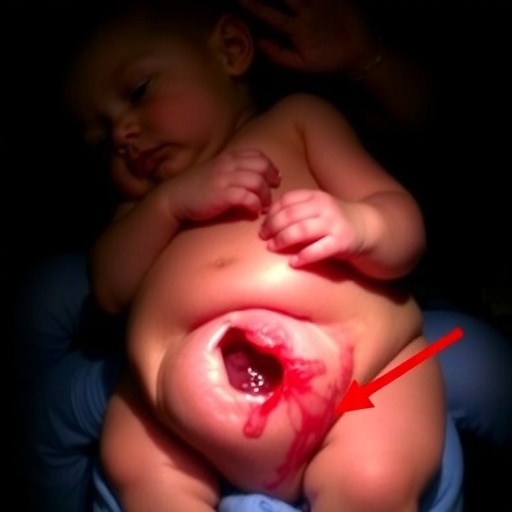
In a notable advancement in pediatric surgery, researchers Liu et al. conducted a dual-center retrospective cohort study examining the implications of incidental appendectomy during laparotomy for idiopathic intussusception in children. Intussusception is a condition where a part of the intestine telescopes into itself, leading to obstruction, and is relatively common in pediatric populations. The study’s findings rhyme with the growing need for understanding optimal surgical practices in children, especially in light of their differing anatomical and physiological characteristics compared to adults.
Incidental appendectomy, the surgical removal of the appendix during other abdominal surgery, has long been a subject of debate in surgical circles. The rationale behind this technique stems from the belief that removing the appendix during a laparotomy presents a unique opportunity to reduce the likelihood of future appendicitis, thereby preventing another surgical intervention. In the case of children with intussusception, who may be predisposed to developing appendicitis due to their anatomy and the nature of their condition, this practice could indeed carry significant implications.
The study was conducted across two prominent medical centers, enhancing its validity through a diverse patient population. Data were meticulously gathered from surgical records, allowing for a comprehensive analysis of both short-term and long-term outcomes associated with incidental appendectomy. The researchers carefully selected participants, focusing on those undergoing laparotomy for idiopathic intussusception, ensuring a relevant and helpfully homogeneous study group.
One of the critical aspects examined was the potential for postoperative complications resulting from incidental appendectomy. Complications can range from simple infections to more serious issues such as bowel obstruction and leaks. This risk is particularly heightened in children due to their developmental stage and unique healing processes. The authors meticulously documented these outcomes, providing invaluable insights into the safety and efficacy of adding appendectomy into routine intussusception surgeries.
Another intriguing dimension of the study relates to the length of hospital stays and recovery times for children who underwent incidental appendectomy versus those who did not. The overarching hypothesis posited that performing an appendectomy could lead to enhanced recovery profiles, as concurrent issues might be addressed in a single surgical setting. However, their results lend nuanced perspectives on how this surgical choice influences postoperative care pathways.
Beyond immediate clinical outcomes, the study’s authors also delved into the cost-effectiveness of incidental appendectomy in the context of pediatric surgery. The financial burden of healthcare is an increasingly important consideration for families and healthcare systems. If the upfront costs of performing an appendectomy can lead to reduced long-term health complications and follow-up surgeries, it posits a compelling argument for this practice in certain pediatric populations.
The implications of their study extend beyond individual patient cases to influencing surgical protocols and guidelines. Surgeons and healthcare providers are often faced with critical decisions regarding procedural choices, especially in emergent scenarios. Liu et al.’s analyses provide a robust framework for evaluating the preferred approached to intussusception surgeries, balancing risk, benefit, and long-term patient well-being.
While the study’s findings are groundbreaking, they also invite further scrutiny and investigation. Future research could delve deeper into specific variables that might affect outcomes, such as the age of the patient, severity of the intussusception, and the timing of surgical intervention. A larger dataset could illuminate whether specific pediatric subpopulations experience distinct benefits or complications from the procedure.
In light of these findings, it’s imperative for surgical teams to remain up-to-date with emerging research that challenges traditional practices. The medical field is always evolving, and as new evidence arises, so must the practices that guide surgical interventions. Liu et al.’s work emphasizes the ongoing need for comprehensive and rigorous studies to guide clinical practice.
For parents navigating the challenges of pediatric health issues, this study provides a critical insight into the surgical decisions concerning their child’s treatment. Awareness of the potential implications of incidental appendectomy during intussusception surgeries fosters informed discussions with healthcare providers, ensuring collaborative care.
As this study gains traction within the surgical community, it may well influence formal guidelines and education surrounding pediatric surgery practices. The commitment shown by Liu and colleagues to address such pressing questions holds the promise of advancing care standards and ultimately improving outcomes for vulnerable children facing these complex conditions.
In conclusion, the dual-center retrospective cohort study conducted by Liu et al. stands as a significant contribution to pediatric surgical literature, with potential ramifications for clinical practice and pediatric patient outcomes. This exploration of incidental appendectomy during laparotomy for idiopathic intussusception showcases the importance of strategic surgical choices, offering a roadmap for best practices in the years ahead.
Subject of Research: Incidental appendectomy during laparotomy for idiopathic intussusception in children.
Article Title: Incidental appendectomy during laparotomy for idiopathic intussusception in children: a dual-center retrospective cohort study.
Article References:
Liu, T., Wei, XF., Aierken, Y. et al. Incidental appendectomy during laparotomy for idiopathic intussusception in children: a dual-center retrospective cohort study. BMC Pediatr 25, 994 (2025). https://doi.org/10.1186/s12887-025-06329-6
Image Credits: AI Generated
DOI: https://doi.org/10.1186/s12887-025-06329-6
Keywords: incidental appendectomy, laparotomy, intussusception, pediatric surgery, postoperative complications, surgical outcomes, healthcare costs, clinical guidelines.
Tags: anatomical differences in pediatric surgeryappendicitis prevention strategiesdual-center medical researchimplications of incidental appendectomyincidental appendectomy in childrenintussusception surgical practiceslaparotomy in pediatric patientslong-term effects of appendectomypediatric surgery outcomespediatric surgical complicationsretrospective cohort studies in surgerysurgical decision-making in children