A groundbreaking large-scale study from Japan has unveiled a compelling association between antibiotic use before and during pregnancy and an increased risk of psychological distress in early to mid-gestation. Drawing on data from nearly 95,000 pregnant women, this research from the Japan Environment and Children’s Study (JECS) offers critical insights into maternal mental health, spotlighting the complex interplay between medication, microbiota, and psychological well-being.
Perinatal depression remains one of the most prevalent mental health challenges affecting women during the perinatal period, encompassing both pregnancy and the postpartum phase. This condition is not only detrimental to maternal health but has far-reaching consequences for child development. Understanding the multifactorial origins of perinatal depression is thus a paramount public health priority. While factors such as socioeconomic status, prior psychiatric history, and lifestyle habits have been extensively studied, the potential impact of antibiotic use—a common and often indispensable medical intervention—has remained insufficiently explored until now.
The research team from the University of Toyama, led by Professor Kenta Matsumura, leveraged the unprecedented scale and detail of the JECS cohort to explore whether periconceptional antibiotic exposure correlates with psychological distress during pregnancy. JECS is a comprehensive, ongoing nationwide birth cohort study aiming to elucidate how various environmental factors affect children’s health and development across Japan. Participants in the study were evaluated early in their pregnancies, approximately at 12 weeks gestation, with follow-up assessments near 15 weeks.
Participants were categorized based on their antibiotic usage in the year preceding early pregnancy—a critical window spanning the preconception phase, the recognition of pregnancy, and enrollment into the study. The study groups differentiated among women who did not consume antibiotics, those who used antibiotics during one of the two specified periods, and those with antibiotic use documented in both timeframes. This categorization allowed for a nuanced understanding of the timing and extent of antibiotic exposure relative to mental health outcomes.
Psychological distress was measured using the Japanese-adapted Kessler Psychological Distress Scale (K6), a validated self-reported instrument comprising six questions aimed at assessing nonspecific psychological distress. The scale’s scores were subsequently stratified into categories indicative of moderate or severe distress, enabling the researchers to quantify the magnitude of mental health burden among different antibiotic exposure groups.
Notably, the study employed adjusted odds ratios to statistically quantify the association between antibiotic use and psychological distress, controlling for confounding variables including maternal age, body mass index before pregnancy, levels of education and income, tobacco and alcohol usage, marital status, and previous psychiatric history. This rigorous analytical approach ensured a stronger inference regarding the relationship between antibiotic exposure and mental health outcomes.
The results were striking: antibiotic use during either period was associated with a modest yet statistically significant increase in moderate psychological distress, with adjusted odds ratios of 1.12, rising to 1.22 for those using antibiotics during both periods. Severe psychological distress exhibited an even more pronounced pattern, with odds ratios of 1.07 for single-period users and 1.50 for those exposed throughout both timeframes. The observed dose-response trend underscores a compelling link between the extent of antibiotic exposure and the likelihood of psychological distress during pregnancy.
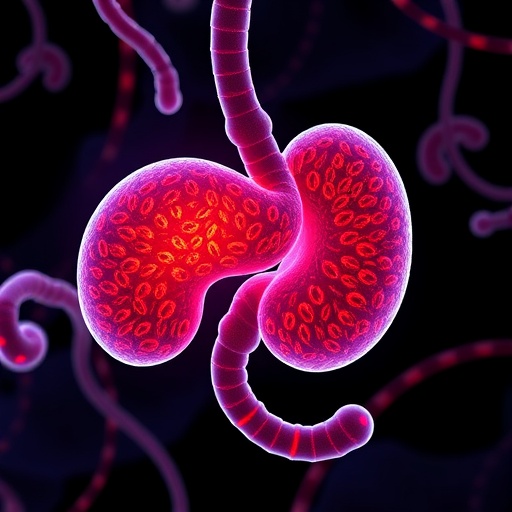
Biologically, these findings may be explained by the impact antibiotics have on gut microbiota, the complex ecosystem of microorganisms residing in the human digestive tract. Antibiotics, while designed to combat pathogenic bacteria, invariably disrupt the balance of gut flora. Emerging research has implicated gut microbiota alterations in a spectrum of health conditions, ranging from metabolic syndromes like obesity and diabetes to inflammatory processes and psychiatric disorders such as anxiety and depression. This microbiota–gut–brain axis serves as a plausible mechanistic pathway linking antibiotic use to mental health changes.
Despite these revealing associations, the researchers prudently caution against misinterpretation of the findings as a call to avoid antibiotics. Medical necessity remains the paramount driver of antibiotic prescription, as untreated infections during pregnancy pose significant risks to both mother and fetus. Instead, the study advocates for heightened awareness around judicious antibiotic use, emphasizing the reduction of unnecessary prescriptions—particularly for viral infections such as the common cold, where antibiotics are ineffective.
This research carries profound implications for clinical practice and public health policy. It invites obstetricians, family physicians, and healthcare providers to carefully weigh the benefits and risks when prescribing antibiotics during the periconceptional and early pregnancy periods. Moreover, it opens avenues for further research into intervention strategies that could mitigate psychological distress by preserving or restoring gut microbiota integrity during pregnancy.
Professor Matsumura emphasizes the potential for this study to catalyze awareness among women planning pregnancies and those in early gestation. By fostering informed discussions about antibiotic use, the medical community can contribute not only to combating antibiotic resistance but also to safeguarding maternal mental health, an often underrecognized dimension of prenatal care.
Future studies might build upon these findings by exploring specific antibiotic classes, dosages, and durations of use, alongside direct microbiome profiling and longitudinal mental health assessments across pregnancy and postpartum periods. Such integrative research could elucidate causal pathways and inform targeted interventions optimizing both infectious disease management and psychological well-being.
Ultimately, this pioneering study from Japan reminds us that the ramifications of antibiotic administration extend beyond the immediate microbiological targets. They reach into the psychological and developmental domains, underscoring the intricate interconnectedness of the human body and the critical need for multidisciplinary approaches in maternal health research.
Subject of Research:
People
Article Title:
Periconceptional antibiotic use and early- to mid-pregnancy psychological distress in a nationwide birth cohort: cross-sectional analysis from the Japan Environment and Children’s Study
News Publication Date:
10 January 2026
References:
DOI: 10.1186/s12889-025-26119-0
Image Credits:
Prof. Kenta Matsumura from the University of Toyama, Japan
Keywords:
Public health, Mental health, Pregnancy, Health and medicine, Antibiotics, Infectious diseases, Epidemiology, Clinical research, Microbiology, Health care
Tags: antibiotic exposure and pregnancy outcomesantibiotic impact on microbiotaantibiotic use during pregnancyenvironmental influences on perinatal mental healthJapan Environment and Children’s Study findingslarge-scale pregnancy cohort studiesmaternal mental health and antibioticsmaternal psychological well-beingmedication use and maternal depressionpericonceptional antibiotic effectsperinatal depression risk factorspsychological distress in pregnancy