In a groundbreaking advancement for ophthalmology, researchers at Duke University have unveiled a critical immune mechanism that governs intraocular pressure, offering a promising new avenue to combat glaucoma—one of the leading causes of irreversible blindness worldwide. This discovery, spotlighted in the prestigious journal Immunity on March 9, 2026, elucidates the vital role of a specialized subset of immune cells, called resident macrophages, within the eye’s drainage system, a finding that could revolutionize current treatment paradigms for glaucoma patients.
Glaucoma is fundamentally characterized by an increase in eye pressure, known colloquially among clinicians as intraocular pressure, which arises when the eye’s drainage pathways become obstructed. This pressure buildup inflicts progressive damage on the optic nerve, culminating in vision loss if left unchecked. For decades, therapeutic strategies have solely centered on lowering eye pressure pharmacologically or surgically, yet these methods fail to halt disease progression in a significant subset of patients, underscoring a substantial unmet need for new mechanistic insights.
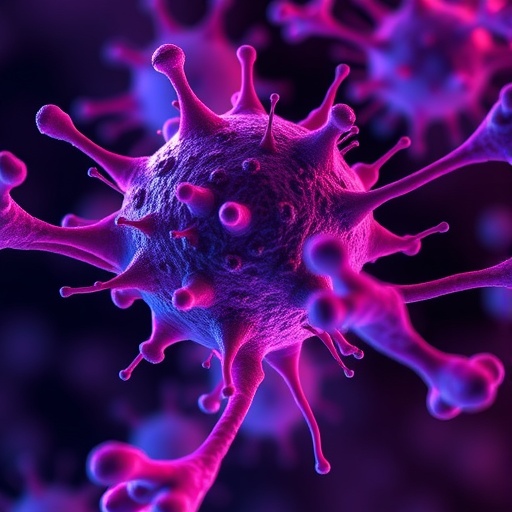
The new study challenges the traditional notion that mechanical obstruction alone drives pressure elevation by pinpointing resident macrophages as indispensable custodians of the eye’s trabecular meshwork— the critical drainage tissue—in maintaining fluid homeostasis. These immune cells reside in a niche microenvironment, continuously enveloping and clearing cellular debris and metabolic waste from the drainage channels, thus preserving unobstructed aqueous humor outflow and stable intraocular pressure.
Using advanced in vivo imaging techniques, the research team employed fluorescent tagging to track the dynamic behavior of resident macrophages within murine models. Remarkably, targeted depletion of these cells led to a cascade of pathological events: clogging of the drainage system, accumulation of fluid, and a consequential spike in intraocular pressure, mirroring clinical features of human glaucoma. This direct causal link affirms that dysfunction or loss of resident macrophages can precipitate disease, thereby identifying these cells as pivotal guardians of ocular health.
Beyond establishing a novel pathophysiological framework, the findings introduce resident macrophages as a viable and specific therapeutic target. Unlike traditional glaucoma medications that predominantly act on lowering pressure without addressing underlying causes, interventions designed to enhance or restore macrophage function have the potential to rectify the foundational drainage problem, halting pressure elevation at its source and averting vision loss more effectively.
The study’s senior author, Dr. W. Daniel Stamer, a distinguished professor of ophthalmology at Duke, emphasizes that this discovery paves the way for a paradigm shift in glaucoma treatment development. By harnessing the immune system’s intrinsic maintenance capabilities, future therapies could shift from symptom management to disease modification, an evolution sorely needed in the clinical management of glaucoma, which affects millions globally.
Additionally, Dr. Katy Liu, the study’s lead investigator, highlights the importance of this immunological perspective, noting that current treatments—often involving eye drops or invasive surgeries—do not fully prevent optic nerve damage because they fail to target the cellular mechanisms governing fluid regulation. The elucidation of this macrophage-mediated pathway offers an unprecedented molecular foothold for drug discovery and precision medicine.
Extending these findings to human biology constitutes the next frontier. Preliminary efforts are underway to characterize resident macrophages within human trabecular meshwork samples, aiming to validate the murine model’s relevance and to identify biomarkers that could facilitate early diagnosis or predict therapeutic responsiveness. Such translational research will be critical in converting this breakthrough into tangible clinical benefits.
Further underscoring the significance of this research is the Duke Eye Center’s rich legacy of glaucoma innovation, including their contribution to the FDA approval of the first new glaucoma drug in two decades. The newly identified role of resident macrophages complements this tradition, demonstrating how deep mechanistic studies can inspire transformative clinical technologies.
The implications of these findings also extend beyond glaucoma, setting a precedent for understanding immune system interactions in other ocular pathologies marked by fluid imbalance or inflammation. This research exemplifies the emerging field at the intersection of immunology and ophthalmology, heralding a future where immunomodulation could become central to maintaining visual health and preventing blindness.
Collaborative efforts involving immunologists, cell biologists, and clinicians at Duke have thus forged a new path forward in confronting one of the most challenging neurodegenerative diseases affecting vision. The integration of cutting-edge imaging, genetic manipulation, and functional assays in this research has laid a robust foundation for both fundamental science and therapeutic innovation.
In conclusion, by revealing the indispensable role of resident macrophages in eye pressure regulation, this study not only broadens our understanding of glaucoma’s etiology but also opens up transformative possibilities. Future therapies inspired by this work hold potential not merely to manage symptoms but to prevent blindness—a truly monumental stride for patients worldwide.
Subject of Research: Role of resident macrophages in regulating intraocular pressure and glaucoma pathogenesis
Article Title: Unveiling the Immune System’s Role in Eye Pressure Regulation: Resident Macrophages as Guardians of Ocular Drainage
News Publication Date: March 9, 2026
Image Credits: Duke Health
Keywords: Glaucoma, Intraocular Pressure, Resident Macrophages, Immunology, Eye Drainage System, Ophthalmology, Vision Loss, Immune Cells, Trabecular Meshwork, Fluid Homeostasis
Tags: Duke University glaucoma researchglaucoma immune system roleglaucoma novel treatment targetsglaucoma progression prevention strategiesimmune cell therapy for glaucomaimmune cells regulating eye pressureimmune regulation of ocular hypertensionintraocular pressure and immune responseintraocular pressure control mechanismsmacrophages and optic nerve protectionresident macrophages in eye drainagetrabecular meshwork fluid homeostasis