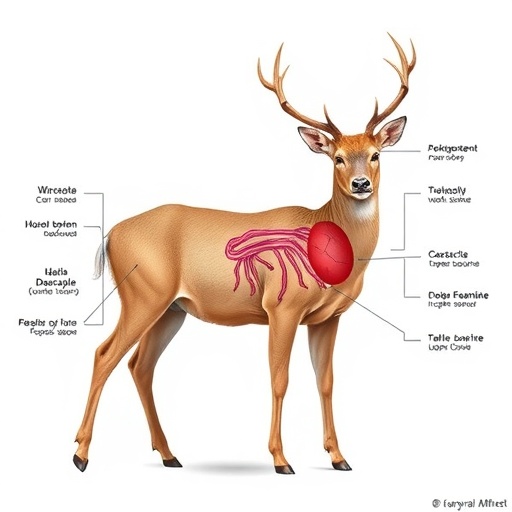
In a groundbreaking study that has captivated the scientific community, researchers have identified significant transcriptomic differences in immune and stress-related pathways associated with artificial rearing in the endangered hog deer, an elusive species known scientifically as Axis porcinus. The findings, which will be published in the upcoming issue of BMC Genomics, shed light on the complex biological adaptations these animals have undergone as a result of their interaction with artificial rearing strategies. This research not only assists in further understanding the challenges faced by endangered species but also offers crucial insights for wildlife conservation efforts globally.
The study signals a remarkable development in genomic research targeted at endangered species. The hog deer, once abundant across South Asia, is now facing severe population declines due to habitat loss and hunting. The implementation of artificial rearing techniques, usually designed to bolster population numbers, presents a double-edged sword for conservationists. While intended to provide a controlled environment for breeding and rearing young, these methods can inadvertently induce stress and alter the natural immune responses in these animals. Such findings have raised questions about the efficacy and ethics of artificial rearing practices in wildlife conservation.
Researchers led by Ma and colleagues undertook a comprehensive transcriptomic analysis to explore the immune pathways that are affected when hog deer are raised in these artificial conditions. This study makes use of advanced genomic sequencing technologies that can illuminate how genes are expressed differently in various environmental contexts. By comparing the transcriptomic profiles of hog deer reared in natural settings versus those subjected to artificial rearing, the team identified differential expression of numerous genes linked to immune responses and stress reactions.
The implications of this research are profound. For one, understanding the specific genes and pathways affected by artificial rearing could lead to more effective conservation strategies. For example, the findings may inform modifications to rearing techniques that minimize stress responses and enhance the overall health and survival rates of these animals. Furthermore, the research serves as a vital reference point for the management of other endangered species that face similar challenges, paving the way for tailored conservation approaches informed by genomic insights.
As rearing practices evolve, the need for adaptive measures becomes increasingly evident. The uncovering of immune-related transcriptomic differences could prompt assessments of the current standards used in artificial rearing programs. This study underscores the necessity for ongoing research in this domain, as improving these methods is vital not only for the hog deer but also for broader conservation initiatives aimed at sustaining biodiversity in increasingly fragmented habitats.
Moreover, the researchers emphasize that the health and well-being of the hog deer are crucial not only from an ecological standpoint but also from a moral perspective. Wildlife conservation efforts must strike a balance between human intervention and the preservation of natural behaviors and physiological responses. Through collaborative efforts among conservationists, geneticists, and ecologists, the formulation of more effective rearing strategies can become a reality, ensuring the longevity of this endangered species.
The potential for these findings to foster partnerships between scientific communities and wildlife organizations is significant. Conservationists equipped with detailed genomic data can devise more informed policies that prioritize animal welfare alongside population recovery. It is vital to bridge the gap between laboratory research and field applications, thus maximizing the impact of genomic discoveries in real-world settings.
Additionally, the discovery of transcriptomic variations may lead to advancements not only in conservation efforts but also in broader genetic research realms. Insights garnered from studying hog deer can be extrapolated to understand immune adaptations among other wildlife species facing environmental stressors. This cross-disciplinary angle allows for a more robust understanding of how different species cope with rapid environmental changes, further emphasizing the importance of this study.
The study conducted by Ma and colleagues, while focusing on hog deer, opens the door to an entire field of genomic inquiry aimed at understanding wildlife responses to captivity and artificial environments. As conservation efforts become increasingly data-driven, the reliance on genomic research will likely expand, providing ever-greater detail on how species can thrive in a world where their natural habitats are increasingly compromised.
In summary, the profound implications of this research extend far beyond the immediate context of hog deer. The methodologies and insights presented in this study could revolutionize wildlife conservation strategies globally, providing a scientifically backed blueprint for the careful rearing and management of endangered species. By revealing the intricacies of genomic responses to artificial rearing conditions, this research sends a powerful message about the importance of incorporating modern science into conservation practices, ultimately reinforcing the imperative to safeguard the world’s biodiversity.
As the groundwork lays for future investigations, it encapsulates a broader narrative in conservation biology: the need for an integrative approach that combines traditional ecological wisdom with cutting-edge genomic science. The stakes are high; the survival of myriad species hangs in the balance, making the continuous exploration of scientific avenues not just beneficial, but essential for the well-being of our planet’s biosphere.
The ongoing pursuit of knowledge is vital in this rapidly changing environment. The collaboration among scientists transcends individual projects, forming a tapestry of research efforts that together make strides toward preserving our fragile natural world. Ma and colleagues have taken an essential step in this journey with their transformative study, exemplifying the critical importance of science in guiding conservation towards a sustainable future for all species.
As the scientific community eagerly awaits the official publication of these intriguing findings, the hope is that they will incite further discourse on the role of genomic research in addressing contemporary environmental challenges. With the passion and determination of researchers forward-thinking enough to navigate the complexities of wildlife conservation, the possibility for change is not lost. The journey to understand and protect fragile species like the hog deer continues, propelled by the urgency of our times and the power of science to illuminate the paths ahead.
Subject of Research: Transcriptomic differences in immune- and stress-related pathways in hog deer associated with artificial rearing
Article Title: Transcriptomic differences in immune- and stress-related pathways associated with artificial rearing in the endangered hog deer (Axis porcinus)
Article References:
Ma, Y., Huang, K., Geng, G. et al. Transcriptomic differences in immune- and stress-related pathways associated with artificial rearing in the endangered hog deer (Axis porcinus).
BMC Genomics (2026). https://doi.org/10.1186/s12864-025-12484-y
Image Credits: AI Generated
DOI: 10.1186/s12864-025-12484-y
Keywords: hog deer, artificial rearing, transcriptomic differences, conservation biology, immune response, stress pathways, endangered species.
Tags: artificial rearing effects on deerAxis porcinus population declinebiological adaptations in hog deerchallenges in endangered species managementconservation strategies for hog deerethical concerns in wildlife breedinggenomic research in conservation biologyhabitat loss and animal healthimmune response in hog deerstress pathways in endangered speciestranscriptomic analysis in wildlifewildlife conservation and genomics