In recent years, cancer research has made significant strides in understanding the complex interplay between tumor cells and the immune system. New findings shed light on the intricate mechanisms underlying immunogenic cell death (ICD), particularly in the context of ovarian cancer. A groundbreaking study conducted by Yang, Wu, Zhong, and colleagues reveals that interleukin-24 (IL-24) plays a crucial role in enhancing the effects of baicalein, a natural compound known for its therapeutic potential. This research provides new insights that may pave the way for innovative treatments targeting ovarian cancer, a malignancy often marked by late diagnosis and poor prognosis.
IL-24, a cytokine belonging to the interleukin-10 family, has been associated with various anti-tumor effects. Its ability to induce apoptosis in cancer cells while sparing normal cells has garnered significant interest among oncologists and researchers alike. The new study demonstrates that when combined with baicalein, IL-24 not only improves the efficacy of this compound but also triggers endoplasmic reticulum (ER) stress—an essential component of the immunogenic cell death process. This discovery may redefine how IL-24 can be utilized in cancer therapies, especially when combined with other agents that enhance its properties.
Baicalein, a flavonoid derived from the root of Scutellaria baicalensis, boasts a wide range of pharmacological activities, including anti-inflammatory and anti-cancer effects. In the context of ovarian cancer, baicalein has been shown to induce cancer cell death via mechanisms that activate the immune response. However, its efficacy can be limited, necessitating the exploration of combinatory therapies that amplify its benefits. The study conducted by Yang et al. takes a significant step in this direction by investigating the synergistic effects of baicalein and IL-24.
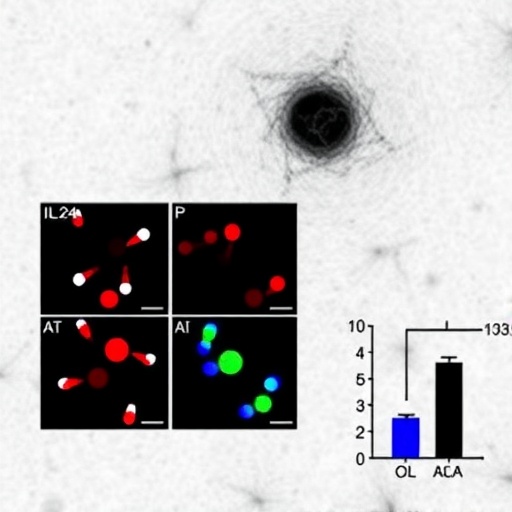
One of the most critical findings of this study is how IL-24 amplifies the immunogenic effects of baicalein through the induction of ER stress. The endoplasmic reticulum serves as a cellular factory responsible for protein folding and processing. When cancer cells experience stress in this organelle, they become more susceptible to immune system attack. The research shows that the combination of baicalein and IL-24 increases the levels of ER stress markers in ovarian cancer cells, leading to a more pronounced immunogenic cell death response.
This research underscores the importance of understanding the cellular stress responses in cancer therapy. ER stress not only is a hallmark of cancer biology but also serves as a crucial signal for stimulating an immune response against tumors. By enhancing ER stress in cancer cells, IL-24 effectively creates an environment that may allow the immune system to recognize and eliminate these cells more efficiently. This relationship between cytokines, natural compounds, and immune response adds a valuable dimension to our grasp of cancer immunotherapy.
Moreover, the effects observed in preclinical models suggest that this combination therapy could have significant clinical implications. Translating these findings into clinical practice may offer new hope for patients battling ovarian cancer, particularly those who have not responded effectively to standard therapies. The increased immunogenicity induced by the IL-24 and baicalein combination suggests a potential strategy to enhance existing treatment modalities, possibly leading to improved patient outcomes.
As researchers continue to explore the best ways to harness the power of the immune system against cancer, this study highlights the importance of combination therapies. By understanding the molecular mechanisms at play, scientists can design more effective treatment strategies that target multiple pathways simultaneously. The anticipated outcome could be a decrease in tumor recurrence and increased survival rates for patients facing this formidable disease.
This groundbreaking research might also inspire future studies exploring different cytokines and natural compounds that could enhance the immunogenicity of other anti-cancer agents. By integrating findings from various disciplines, including immunology and pharmacology, researchers could identify novel therapeutic approaches for managing not just ovarian cancer but other malignancies as well. The potential for cross-disciplinary collaboration signifies the growing recognition of the multifaceted nature of cancer treatment development.
While the results of this study are promising, further investigations are necessary to fully understand the mechanisms underlying the observed effects of IL-24 and baicalein. Comprehensive clinical trials will be essential to evaluate the safety and efficacy of this combinatorial approach in human subjects. These trials should also look at how variations in patient biology affect responses to the therapy, as personalized medicine becomes increasingly vital in oncology.
As the research community continues to unravel the complexities of cancer biology, studies like that of Yang et al. play an essential role in advancing our understanding and treatment of malignant diseases. They not only provide a foundation for future research but also contribute to the growing body of knowledge that informs the development of novel therapies. Staying at the forefront of this research could lead to breakthroughs that significantly improve the quality of life and survival for cancer patients worldwide.
In summary, the research led by Yang and colleagues marks a significant milestone in cancer therapeutics, illustrating the potential of harnessing natural compounds and cytokines to enhance immunogenic cell death. The study opens new avenues for future research, encouraging a holistic view of cancer treatment that blends pharmacology with immunology. As scientists build upon these findings, the hope is to contribute to a future in which ovarian cancer and other malignancies can be tackled more effectively, offering patients a brighter outlook in their fight against cancer.
This fusion of knowledge creates an exciting trajectory for cancer research, demonstrating the need for continual exploration of cancer biology to uncover novel treatment strategies. The road ahead will likely involve unexpected discoveries and innovative solutions that further our understanding of how to conquer this complex disease. The collaborative efforts of researchers, clinicians, and patients are essential in turning promising laboratory findings into clinical realities, ultimately providing hope to those affected by ovarian cancer.
Through the lens of this groundbreaking study, it is clear that understanding the intricacies of how various biological factors interact can lead to significant advancements in cancer therapy. As the dialogue around immunotherapy evolves, the implications for improving treatment regimens become increasingly critical. This collaborative and integrative approach in cancer research could indeed lead to unprecedented successes in the years to come.
Subject of Research: IL-24 and baicalein in ovarian cancer immunotherapy.
Article Title: IL-24 amplifies baicalein-induced immunogenic cell death in ovarian cancer by boosting endoplasmic reticulum stress.
Article References: Yang, J., Wu, F., Zhong, B. et al. IL-24 amplifies baicalein-induced immunogenic cell death in ovarian cancer by boosting endoplasmic reticulum stress.
J Ovarian Res (2026). https://doi.org/10.1186/s13048-025-01953-3
Image Credits: AI Generated
DOI: 10.1186/s13048-025-01953-3
Keywords: IL-24, baicalein, immunogenic cell death, ovarian cancer, endoplasmic reticulum stress, therapeutic potential.
Tags: anti-tumor effects of IL-24baicalein ovarian cancer therapycytokines in cancer treatmentenhancing cancer immunotherapyER stress and apoptosisflavonoids in cancer researchIL-24 immunogenic cell deathinnovative cancer treatment strategiesinterleukin-24 effects on tumorsmechanisms of immunogenic cell deathnatural compounds in oncologyovarian cancer prognosis and diagnosis