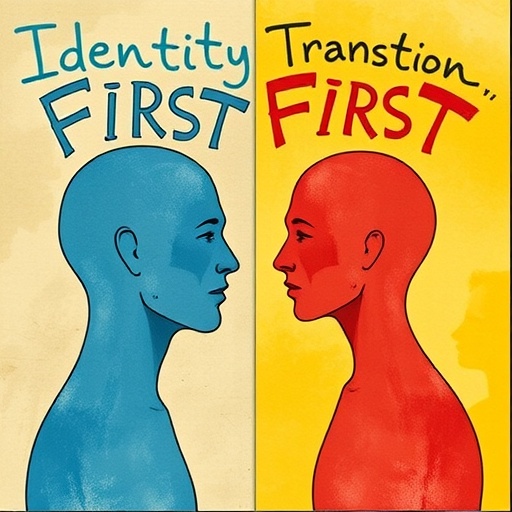
As the landscape of autism research evolves, a recent systematic review titled “Preferences for Identity-First and Person-First Language: A Systematic Review of Research With Autistic Adults/Adults With Autism” sheds light on the ongoing discourse concerning the nomenclature used to describe autism. This comprehensive study, conducted by scholars including R.K. Schuck, L. Chetcuti, and P. Dwyer, explores the ramifications of language choices in representing a community that has often felt marginalized. With language as a potent tool, this research navigates through the intricate dynamics of identity and representation, providing a clearer understanding of how autistic adults perceive themselves and their conditions.
At the heart of the discussion is the juxtaposition of person-first language (PFL)—where the individual precedes the diagnosis, as in “person with autism”—and identity-first language (IFL), which asserts that the diagnosis is an integral part of one’s identity, encapsulated in phrases like “autistic person.” This review takes a deep dive into the existing literature to gauge the preferences of autistic adults, outlining varying responses that highlight the complexities surrounding these terminologies. Understanding these preferences is paramount in cultivating an environment where autistic individuals feel acknowledged and respected, thereby influencing how society addresses neurodiversity.
The systematic review meticulously analyzes a plethora of previous studies that have examined the preferences of autistic adults when it comes to language. With a growing number of autistic individuals publicly advocating for recognition of their identity, there is a noticeable variance in how these individuals align their self-identification with either person-first or identity-first language. The review shows that the preferences are not monolithic; they are shaped by personal experiences, cultural contexts, and societal influences. This individuality underscores the importance of listening to autistic voices in the ongoing conversation about nomenclature.
The implications of this language debate extend beyond mere semantics. Language can deeply impact self-image and external perceptions, leading to significant psychological effects. Autistic individuals who identify strongly with IFL may feel a sense of pride in their identity, while those who prefer PFL might see their autism as a condition separate from their core self. This nuanced understanding of language preferences has profound implications for clinicians, educators, and advocates who are involved in the lives of autistic individuals.
Moreover, the review also discusses how the differing preferences correspond with broader social movements related to disability identity. The advocacy for IFL resonates with the push for the acceptance of disability as an integral aspect of identity, similar to how race and gender have been recognized. In this sense, understanding the language preferences of autistic individuals goes beyond personal choice; it is intertwined with social justice and the fight for visibility and acceptance in society.
A particularly striking finding from the review indicates that younger generations of autistic individuals lean more toward identity-first language. This shift suggests a cultural transformation in how autism is perceived and understood within the broader context of society. As more autistic voices contribute to mainstream discourse, it becomes increasingly vital for researchers, educators, and policymakers to adapt to these evolving preferences and to support the notion that autism is a vital aspect of an individual’s identity.
Despite the advancements in understanding language preferences, the review also highlights the ongoing challenges faced by researchers in this field. Many studies exhibit methodological issues, such as sample size constraints and the representativeness of participants, which could skew results. Furthermore, the stark lack of diverse cultural perspectives within the existing research poses a challenge. The formulation of a universal language that respects individual preferences while promoting inclusivity necessitates further rigorous studies across varied populations.
In addressing the preferences for language use, the authors of the review call upon stakeholders to recognize the gravity of representation. In a world increasingly influenced by social media and digital platforms, where language shapes perceptions, the need for appropriate terminology is urgent. This study amplifies the calls for greater awareness among institutions and individuals in all sectors—education, healthcare, and public policy.
As the authors conclude, the findings advocate for a more profound consideration of language choices in both academic and public discourse. Comprehending and respecting the preferences of autistic individuals can catalyze change, fostering environments that embrace neurodiversity and support personal identities. This shift not only serves the autistic community but educates the broader society about the impact of language and labels, encouraging empathy and understanding.
With the publication of this pivotal review, the ongoing dialogue about identity-first versus person-first language receives increased visibility. The researchers emphasize a need to cultivate spaces where those on the autism spectrum can feel empowered to express their identities—a fundamental right that aligns with their autonomy. Such conversations are vital to improving the lived experiences of autistic individuals and facilitating their journey towards societal acceptance.
This significant systematic review serves as a milestone, pushing the boundaries of current research and challenging traditional narratives within the field of autism. It opens the door to new perspectives and invites further inquiries into how language can shape identity and community. The findings lay crucial groundwork for an enhanced understanding of autistic identity, helping to bridge the gap between research, practice, and the lived experiences of autistic individuals. As the dialogue progresses, it is imperative to remember that language matters, and the choice of words can either empower or disempower individuals within the disability community.
Through this lens, the review underscores the need for a collaborative approach where the voices of autistic individuals are central to the dialogue about identity, language, and social acceptance. Fostering an inclusive environment that respects and honors the preferences of individuals will not only enhance the quality of research but also contribute to a more empathetic society. The findings of this systematic review resonate with anyone concerned with social equity, making it a particularly relevant discussion in today’s socio-political landscape.
In sum, the review serves as an essential resource for understanding the implications of language in the context of autism. It exemplifies the importance of embedding autistic voices in research and policy, advocating for a future where preferences are acknowledged, respected, and celebrated. With an ever-deepening recognition of the diversity within the autistic community, this dialogue marks a pivotal step toward reframing conversations around autism, identity, and empowerment.
Subject of Research: Preferences for Identity-First and Person-First Language among Autistic Adults
Article Title: Preferences for Identity-First and Person-First Language: A Systematic Review of Research With Autistic Adults/Adults With Autism
Article References:
Schuck, R.K., Chetcuti, L., Dwyer, P. et al. Preferences for Identity-First and Person-First Language: A Systematic Review of Research With Autistic Adults/Adults With Autism. J Autism Dev Disord (2025). https://doi.org/10.1007/s10803-025-07174-3
Image Credits: AI Generated
DOI: https://doi.org/10.1007/s10803-025-07174-3
Keywords: Autism, Identity-First Language, Person-First Language, Neurodiversity, Self-Identification, Psychological Impact, Social Acceptance.
Tags: Autism terminology debateAutistic adults’ preferencesAutistic identity dynamicsIdentity-first languageImpact of language on self-perceptionlanguage and identityLanguage choices in autism communityMarginalization of autistic individualsNeurodiversity representationPerson-first languageSystematic review on autism languageUnderstanding autism communication styles