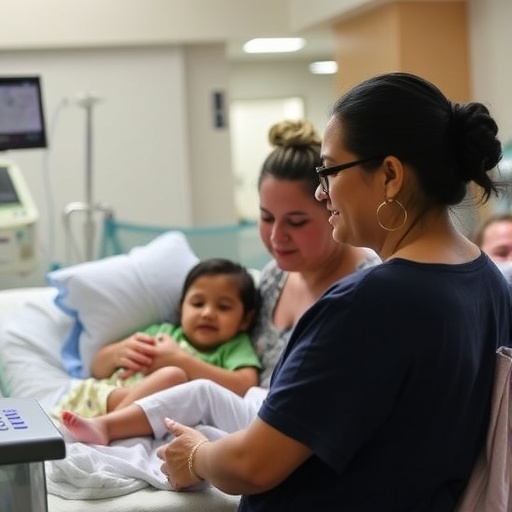
In the realm of autism research, the quest to understand the clinical features of children at risk of profound autism has gained significant momentum. This burgeoning field of study seeks to unravel the complexities surrounding autism spectrum disorder (ASD), particularly when it comes to identifying those who may be profoundly impacted. A recent article captures attention by presenting detailed findings from comprehensive clinical evaluations of children deemed at risk. By delving into this subject, researchers aim to provide much-needed insight into early indicators and risk factors, ultimately guiding interventions that can foster improved outcomes.
At the heart of this investigation lies the crucial task of recognizing children who may be on the cusp of developing profound autism. It is a critical endeavor, as early recognition can lead to tailored interventions that address individual needs from a young age. Moreover, the study focuses on children whose developmental trajectories suggest they may require intensive support. The insights gleaned from this research could redefine our understanding of profound autism and help shape future clinical practices.
One of the most striking aspects of the research is its methodological rigor. The authors employed a multidimensional approach, drawing on various assessment tools to ensure a comprehensive evaluation of each child involved in the study. This approach not only enhances the reliability of the findings but also provides a more nuanced understanding of the spectrum of behaviors associated with autism. In essence, the research goes beyond mere classification, seeking to delve into the underlying characteristics that distinguish children at risk.
The analysis included a wide range of clinical features such as communication skills, social engagement, and behavioral patterns. These features were meticulously documented and analyzed to identify trends that could signal the likelihood of profound autism. The careful consideration of these elements paves the way for a deeper understanding of how autism manifests differently across individuals, particularly those deemed at risk. This knowledge is pivotal in creating targeted intervention strategies tailored to each child’s unique profile.
In addition to behavioral assessments, the study made significant strides in understanding the neurodevelopmental underpinnings associated with these clinical features. By correlating observed behaviors with neurological data, researchers highlighted potential biological markers that may indicate the likelihood of developing profound autism. This integration of behavioral and biological perspectives may enhance the accuracy of early diagnosis and facilitate the development of innovative treatment strategies that address the root causes of autism, rather than merely its symptoms.
Furthermore, the implications of these findings extend beyond clinical settings. By disseminating this knowledge among healthcare providers, educators, and families, the research aims to foster a broader awareness about the signs and symptoms of profound autism. Increased awareness can lead to early detection, encouraging parents and caregivers to seek evaluations sooner, which is vital in mitigating the long-term impacts of the disorder. Social awareness campaigns informed by research such as this can empower communities to support children at risk more effectively.
As science continues to explore the vast landscape of autism, this research serves as a crucial puzzle piece in deciphering the complexities of profound autism. It underscores the imperative of studying at-risk populations, advocating for early intervention and emphasizing the unique experiences of individuals on the autism spectrum. The insights gained from this study may open new pathways for therapeutic interventions, guiding practitioners in devising more effective strategies for children who exhibit early signs of profound autism.
In conclusion, as the study illustrates, understanding the clinical features of children at risk is not just an exercise in categorizing behaviors—it’s an essential step toward ensuring that these children receive the support and resources they need. The collaborative effort put forth by the researchers demonstrates a commitment to advancing knowledge in the field of autism research with the goal of improving the lives of children and their families.
Through rigorous investigation, this research equips stakeholders in the autism community with the tools necessary to identify children at risk and intervene early, ultimately paving the way for a brighter future for those affected by profound autism. The findings present a call to action for continued research and advocacy, emphasizing the importance of community support and collaboration across disciplines.
As we move forward, the lessons learned from this study should inform both clinical practices and public policy, ensuring that the needs of children at risk for profound autism are met with compassion, understanding, and effective intervention strategies. This work not only contributes to the existing body of literature but also inspires hope for future advancements in the field, reinforcing the notion that with the right tools and knowledge, a brighter tomorrow is achievable.
Subject of Research: Clinical Features of Children at Risk of Profound Autism
Article Title: Clinical Features of Children at Risk of Profound Autism
Article References:
Hodge, M.A., Boulton, K.A., Sutherland, R. et al. Clinical Features of Children at Risk of Profound Autism. J Autism Dev Disord (2025). https://doi.org/10.1007/s10803-025-07160-9
Image Credits: AI Generated
DOI: https://doi.org/10.1007/s10803-025-07160-9
Keywords: Autism, profound autism, clinical features, children at risk, early intervention, neurodevelopment.
Tags: clinical features of profound autismcomprehensive evaluations for autism diagnosisdevelopmental trajectories of autistic childrenearly indicators of autism spectrum disorderguiding clinical practices in autism treatmentinterventions for children with autismmethodological rigor in autism researchprofound autism signs in childrenrecognizing autism in early childhoodrisk factors for autism in childrentailored support for profound autismunderstanding autism spectrum disorder complexities