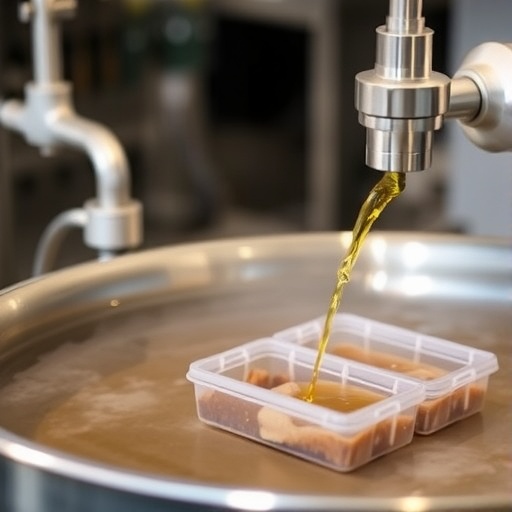
Recent research in the realm of sustainable waste management has illuminated the potential of hydrothermal carbonization (HTC) as a transformative process for organic waste materials. Specifically focusing on brewer’s spent grain (BSG), a byproduct of the brewing industry, scientists have explored how HTC can significantly influence its physical properties and hydrophobic characteristics. This study provides critical insights that could redefine the utility of BSG, effectively creating new avenues for its industrial application while simultaneously tackling waste management strategies.
Brewer’s spent grain is an abundant byproduct, with millions of tons produced annually during beer production. Traditionally viewed as waste, BSG possesses significant organic content, primarily consisting of cellulose, hemicellulose, and lignin. This research posits that utilizing HTC can enhance the mechanical dewatering of BSG, consequently facilitating its conversion into valuable materials. By converting this organic waste into a char-like substance through hydrothermal carbonization, the inherent energy within BSG can be harnessed, creating a more sustainable loop for waste utilization.
The mechanics of hydrothermal carbonization are fascinating. This thermochemical process involves subjecting biomass to high temperatures and pressures in the presence of water, resulting in a conversion into carbon-rich material with reduced oxygen content. The application of HTC alters the structural and compositional attributes of BSG, improving its energy density while reducing overall moisture content. This transformation bears a promising implication for industries reliant on biomass as fuel or feedstock, allowing for more efficient energy production.
One of the pivotal findings in the study is the change in hydrophobic properties when BSG is subjected to HTC. Post-treatment, the mechanical dewatering process shows marked improvement with HTC-treated BSG displaying enhanced filtration characteristics. These changes are attributed to the structural modifications occurring within the biomass during the HTC process. By reducing the hydrophilic nature typically found in raw BSG, the resulting material is likely to perform better in applications where water resistance is advantageous.
Moreover, the research emphasizes the economic benefits associated with HTC-treated BSG. As industries continuously seek innovative ways to manage byproducts and reduce waste, the potential to transform BSG into a product with added value can lead to significant cost savings. This new approach not only addresses waste disposal costs but also aligns with global sustainability goals, effectively minimizing the environmental impact of brewing byproducts through innovative recycling methods.
The study’s implications extend beyond just BSG, suggesting that other lignocellulosic wastes may also benefit from the hydrothermal carbonization process. As researchers further their understanding of HTC’s effects on different biomass types, an expansive array of agricultural and industrial byproducts could potentially be explored, creating a broader impact in the strategy for waste minimization globally. Such advancements could pave the way for a circular economy, where waste is continuously transformed into valuable resources.
Another significant aspect of the research is its focus on the hygiene and safety of the HTC-treated material. By utilizing high temperatures during the HTC process, any pathogens or harmful microorganisms traditionally found in BSG can be effectively neutralized. This enhancement makes the processed product safer for use in various applications, ranging from animal feed to bioenergy sources, thus broadening the scope for its utilization.
The study also opened up potential research avenues concerning the environmental impact of utilizing treated BSG, particularly in terms of greenhouse gas emissions. The ability to repurpose waste materials into energy or useful products can significantly mitigate the carbon footprint associated with waste management. Researchers are thus encouraged to assess the life cycle of HTC-treated BSG to ascertain its long-term benefits and sustainability.
Moreover, industry collaborations with environmental sectors might find the findings of this research particularly appealing. The implications are vast, ranging from energy production to carbon sequestration and even as a soil amendment to improve soil health. As industries face scrutiny over environmental practices, the transition from waste to valuable resources has never been more timely.
In conclusion, hydrothermal carbonization emerges as a promising solution for enhancing the valorization of brewer’s spent grain. It signifies a shift towards sustainable practices, wherein byproducts are no longer seen as waste but as opportunities for innovation. With further exploration and advancement, this technique can revolutionize the way various industries approach waste management, leading to a more sustainable future.
This research not only highlights the transformative potential of hydrothermal carbonization but serves as a clarion call upon industries to rethink their waste strategies. It frames a promising narrative for sustainable development, urging industries to embrace their byproducts as critical elements in the pursuit of ecological sustainability and economic viability.
Innovatively, the study contributes to a growing body of literature advocating for the utilitarian perspective of organic waste materials. As dialogue among academics, industrialists, and policymakers continues, it is imperative that the insights gained from this research lead to actionable frameworks that define the best practices in waste management moving forward.
As we look towards the future, the findings from this groundbreaking research serve as both a guide and a challenge. The potential shift towards the valorization of brewer’s spent grain via hydrothermal carbonization heralds a new era in both environmental stewardship and resource management, inspiring other sectors to explore the possibilities inherent within their waste streams.
Ultimately, embracing experimentation and innovation can accelerate the journey toward a more sustainable economy. In redefining our relationship with waste, we open doors to reclaiming resources that would otherwise be lost, aligning our industrial practices with the principles of sustainability and resilience.
Subject of Research: Hydrothermal Carbonization of Brewer’s Spent Grain
Article Title: Influence of Hydrothermal Carbonisation on Mechanical Dewatering of Brewer’s Spent Grain and its Hydrophobic Character
Article References:
Niedzwiecki, L., Jackowski, M., Fiori, L. et al. Influence of Hydrothermal Carbonisation on Mechanical Dewatering of Brewer’s Spent Grain and its Hydrophobic Character.
Waste Biomass Valor (2026). https://doi.org/10.1007/s12649-025-03470-2
Image Credits: AI Generated
DOI: https://doi.org/10.1007/s12649-025-03470-2
Keywords: Hydrothermal Carbonization, Brewer’s Spent Grain, Mechanical Dewatering, Waste Management, Sustainable Practices, Biomass Valorization.
Tags: brewer’s spent grain utilizationchar production from organic materialsenergy recovery from brewing byproductsenhancing physical properties of organic wastehydrophobic characteristics of biomasshydrothermal carbonization technologyindustrial applications of BSGmechanical dewatering processesorganic waste conversion methodssustainable waste management practicesthermochemical biomass processingtransforming brewing waste into valuable resources