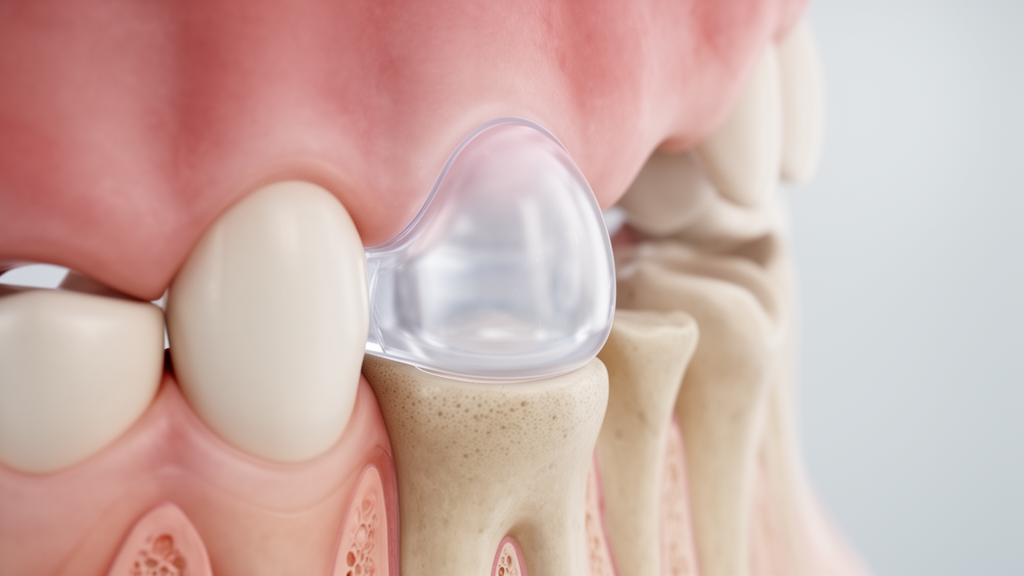
Soft tissue expanders have emerged as essential therapeutic devices in oral and maxillofacial reconstructive surgeries, providing a reliable biological strategy to gradually stretch mucosal and cutaneous tissues before permanent dental implant placement. As detailed in a narrative literature review published in Maxillofacial Plastic and Reconstructive Surgery, adequate tension-free soft tissue coverage represents a foundational prerequisite for successful vertical and horizontal alveolar bone augmentation. Traditional reconstruction methods, such as guided bone regeneration and autogenous block bone grafting, frequently encounter post-surgical complications when closing large alveolar ridge defects, including wound dehiscence, graft exposure, and secondary bone loss. Over recent decades, clinical technology has evolved from conventional inflatable silicone balloons requiring repeated saline injections toward advanced, self-inflating osmotic hydrogel devices. By continuously absorbing surrounding interstitial fluids, these modern hydrogel expanders provide gradual, controlled volumetric expansion without external injection ports, significantly reducing clinical invasiveness, procedural complexity, and patient morbidity during pre-implant tissue preparation.
The physiological process of tissue expansion depends upon two primary physical phenomena: mechanical creep and biological stretch. Creep refers to the continuous elongation of skin and mucosal tissues under constant applied force, whereas biological stretch defines tissue lengthening induced by immediate momentary mechanical strain. Clinical observations by Argenta demonstrated that overlying skin noticeably softened within twenty-four to forty-eight hours following expander inflation, confirming the critical role of biological creep in accommodating volumetric growth. Throughout active mechanical expansion, overlying tissues undergo substantial histological reorganization across all cellular layers. The epidermis thickens substantially during active stretching before gradually returning to its baseline thickness within four to six weeks following expander explantation. Pilosebaceous units remain structurally intact despite physical compression, while temporary melanocyte hyperpigmentation normalizes after device removal. Concurrently, the dermis experiences temporary thinning alongside the development of a protective fibrous capsule containing contractile myofibroblasts, which progressively resolves after expander retrieval.
Deeper anatomical structures also display distinct physiological adaptations in response to continuous mechanical expansion forces. Skeletal muscle subjected to expander compression forms a shallow concave depression and can undergo temporary muscle atrophy; however, muscular function and structure recover completely once the expander is extracted. Expanding tissues situated over specific musculature, such as the tensor fascia lata, promotes functional muscle elongation and vascular proliferation, whereas adjacent adipose tissue suffers permanent atrophy. Underlying osseous structures, such as cranial bones, experience localized thinning from direct mechanical pressure without altering intrinsic bone density, though pediatric patients exhibit higher rates of periosteal inflammation and downward expander displacement. Furthermore, mechanical tissue expansion substantially enhances localized tissue vascularity in a manner resembling delayed surgical flaps. Mechanical compression induces transient hypoxia within surrounding tissues, stimulating robust angiogenesis and driving elevated expression of vascular endothelial growth factor. Experimental evaluations using laser Doppler flowmetry confirm that capillary microcirculation increases significantly after expander implantation, thereby establishing an enriched vascular bed to support subsequent regenerative procedures.
At the cellular level, the biological response to stretching is governed by mechanotransduction cascades mediated by the extracellular matrix. When mechanical forces deform the matrix, tension is transmitted directly to cell membranes and adhesion complexes, stimulating cutaneous fibroblast proliferation. Transmembrane integrins play an essential role in this process by binding intracellular talin, which alters integrin conformation and increases its binding affinity for extracellular matrix ligands. Activated integrins form focal adhesion complexes linked to the actin cytoskeleton, transmitting mechanical signals that stimulate cell proliferation. Research by Jiang and colleagues demonstrated that cyclic stretching sharply elevates fibronectin production while reducing type I collagen, thereby suppressing human fibroblast proliferation compared to static stretching, which increases type I collagen. Additionally, nuclear envelope structural proteins, including lamin A/C and emerin, regulate mechanical signaling to prevent pathological overproliferation of vascular smooth muscle cells subjected to excessive physical strain.
Maintaining an equilibrium between cell proliferation and programmed cell death is critical during tissue expansion, as excessive strain induces cellular apoptosis or necrosis. In the intrinsic apoptotic pathway, mechanical strain activates pro-apoptotic proteins Bax and Bak, triggering the release of cytochrome c and activating caspase 9. In the extrinsic pathway, tumor necrosis factor family ligands bind to death receptors, activating caspase 8. Coordinated tissue adaptation also involves diverse growth factor families, such as fibroblast growth factor, epidermal growth factor, transforming growth factor-beta, platelet-derived growth factor, and vascular endothelial growth factor. Inflammatory cytokines like interleukin-1, interleukin-6, and tumor necrosis factor-alpha remain elevated during acute and chronic phases, whereas other growth factors decline during chronic expansion. Furthermore, mechanical strain activates mechanosensitive ion channels for sodium, potassium, calcium, and chloride, which alter their physical dimensions by approximately four nanometers, while second messenger cascades involving cyclic adenosine monophosphate, phospholipids, c-fos, and inositol phosphate modulate protein synthesis.
Managing internal expansion pressure is essential to stimulate soft tissue growth while avoiding pathological resorption of the underlying alveolar bone. Initiation of soft tissue expansion requires a minimum pressure threshold between 3.33 and 3.86 kilopascals, with dual-pressure protocols utilizing higher pressures up to 13.33 kilopascals to sustain tissue enlargement. Although pressures reaching 31.33 kilopascals can produce tissue expansion without necrosis through arteriolar constriction, sustained mechanical pressure risks inducing bone loss. Preclinical studies show that continuous swelling pressures between 1.96 and 6.86 kilopascals induce significant bone resorption, whereas intermittent pressure applications between 9.8 and 19.6 kilopascals preserve underlying bone. In canine studies evaluating intraoral expanders, pressures between 7.97 and 9.61 kilopascals caused alveolar bone resorption. Consequently, these values represent experimental observations rather than universal clinical guidelines. Clinical success relies on gradual expansion kinetics, context-dependent pressure management, and structural protective adjuncts like titanium meshes to distribute localized stress safely across alveolar bone.
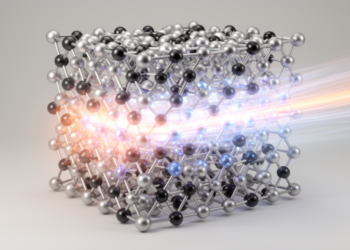
The material engineering of hydrogel expanders dictates their swelling kinetics, equilibrium volume, and biomechanical stability. Hydrogels are hydrophilic polymeric biomaterials capable of retaining substantial volumes of water within three-dimensional networks. Early clinical devices utilized copolymers of vinyl pyrrolidone and methyl methacrylate, which superseded natural materials due to superior water uptake, prolonged longevity, and diverse raw formulations. These synthetic polymers demonstrate high biocompatibility, producing mild, transient tissue inflammation followed by a thin, uniform fibrous capsule that is frequently thinner than capsules surrounding silicone balloons. Hydrogel expansion is driven by osmotic pressure opposing mechanical network contraction as polymer chains elongate during fluid absorption. In crosslinked poly(ethylene glycol) diacrylate hydrogels, volumetric swelling reaches eight to ten times that of silicone expanders, with compressive moduli between 28.3 ± 1.5 and 145 ± 26.9 kilopascals. Adjusting crosslinking density in hydroxyethyl methacrylate and methacrylic acid systems balances rigidity against fluid absorption, as increased crosslinking enhances compressive strength but restricts overall volumetric expansion.
A variety of contemporary commercial soft tissue expanders have entered clinical use, including Osmed, TissueMax, Tissue balloon, and Restiex. While initial vinyl pyrrolidone and methyl methacrylate hydrogels exhibited predictable expansion, their brittleness in the dry state and compromised mechanical resistance upon hydration required encapsulation in an outer silicone envelope. Although this silicone membrane regulates swelling rates and provides structural support, it limits geometric variability and prevents surgical modification. To address these limitations, the Restiex expander was developed utilizing biodegradable polylactide-co-glycolide paired with biocompatible polyethylene glycol. This chemical design eliminates the need for an external silicone envelope while sustaining a steady expansion rate and allowing clinicians to cut the expander into custom shapes and dimensions at the time of surgery. Clinically, Restiex achieves gradual mucosal expansion with an extrusion rate of only three percent, offering greater surgical adaptability for irregular alveolar ridge geometries.
Standardized surgical protocols are designed to ensure precise anatomical alignment and minimize procedural complications during tissue expansion. Surgery begins under local anesthesia with a remote incision placed away from the anticipated regenerative site, preserving the periosteum and reducing wound tension during expansion. Expanders are positioned along Langer’s lines and inserted either submucosally or subperiosteally, secured directly to bone with fixation screws and monofilament sutures. Submucosal placement provides greater patient tolerance and simpler execution, whereas subperiosteal placement stimulates osteogenic periosteal reactions for combined soft tissue and bone formation. The expansion phase lasts forty to sixty days, or six to eight weeks, through capillary fluid absorption until maximal volume is reached, after which bone augmentation proceeds. Postoperative protocols prescribe antibiotics like amoxicillin or clindamycin, ibuprofen for analgesia, and 0.2 percent chlorhexidine oral rinses for two weeks. Clinical guidelines restrict total device retention to under six months and contraindicate treatment in patients with active infections, poor local vascularization, systemic diseases, or psychological conditions.
Preclinical investigations and human clinical trials validate the regenerative potential of hydrogel expanders while defining key safety considerations. In rabbit studies by Lee and colleagues, subperiosteal Tissue balloon expanders achieved swelling ratios exceeding 114 percent at four weeks without tissue inflammation, while canine models demonstrated preserved mucosal blood perfusion despite chewing-induced dehiscence. Clinically, Won reported 7.6 millimeters of vertical ridge height gain using a tissue expander in a sixty-five-year-old patient, while multicenter randomized trials with TissueMax achieved up to 6.9 millimeters of vertical soft tissue expansion and 5.15 millimeters of vertical bone gain with significantly reduced bone resorption. Although mucosal perforations occurred in small cohorts studied by Kaner and Friedmann, Abrahamsson, Mertens, and Byun, prompt device removal allowed successful tissue recovery. Given the small sample sizes and narrative review limitations, future innovations are exploring minimally invasive, injectable hyaluronic acid formulations, 3D bioprinting, and photo-crosslinked biodegradable hydrogels with high mechanical strength to advance pre-augmentation oral reconstruction.
Subject of Research: Hydrogel soft tissue expanders for oral and maxillofacial reconstructive surgery
Article Title: Hydrogel soft tissue expander for gingiva-periosteal expansion: a narrative literature review
Article References: Lee, C. Y., Kim, B., Lee, S.-H., Mustakim, K. R., Eo, M. Y., Won, C., Lee, J.-H., & Kim, S. M. (2026). Hydrogel soft tissue expander for gingiva-periosteal expansion: a narrative literature review. Maxillofacial Plastic and Reconstructive Surgery, 48(1), Article 14. https://doi.org/10.1186/s40902-026-00515-x
Image Credits: AI Generated
DOI: 10.1186/s40902-026-00515-x
Keywords: soft tissue expanders, hydrogels, gingiva-periosteal expansion, alveolar bone augmentation, oral reconstructive surgery, osmotic self-inflating devices, biological creep, extracellular matrix, bone resorption, Osmed, TissueMax, Tissue balloon, Restiex, polyethylene glycol, polylactide-co-glycolide, vascular endothelial growth factor, mechanotransduction, subperiosteal expansion
News Source: Ophelia Keating. (November 18, 2026). Hydrogel Soft Tissue Expanders Advance Oral Reconstruction and Alveolar Bone Augmentation. Scienmag.