• HOME
  • NEWS
  • EXPLORE
    • CAREER
      • Companies
      • Jobs
    • EVENTS
    • iGEM
      • News
      • Team
    • PHOTOS
    • VIDEO
    • WIKI
  • BLOG
  • COMMUNITY
    • FACEBOOK
    • INSTAGRAM
    • TWITTER
Tuesday, March 31, 2026
BIOENGINEER.ORG
No Result
View All Result
  • Login
  • HOME
  • NEWS
  • EXPLORE
    • CAREER
      • Companies
      • Jobs
        • Lecturer
        • PhD Studentship
        • Postdoc
        • Research Assistant
    • EVENTS
    • iGEM
      • News
      • Team
    • PHOTOS
    • VIDEO
    • WIKI
  • BLOG
  • COMMUNITY
    • FACEBOOK
    • INSTAGRAM
    • TWITTER
  • HOME
  • NEWS
  • EXPLORE
    • CAREER
      • Companies
      • Jobs
        • Lecturer
        • PhD Studentship
        • Postdoc
        • Research Assistant
    • EVENTS
    • iGEM
      • News
      • Team
    • PHOTOS
    • VIDEO
    • WIKI
  • BLOG
  • COMMUNITY
    • FACEBOOK
    • INSTAGRAM
    • TWITTER
No Result
View All Result
Bioengineer.org
No Result
View All Result
Home NEWS Science News Biology

How tiny enzymes reign supreme in worldwide carbon recycling

Bioengineer by Bioengineer
December 4, 2019
in Biology
Reading Time: 2 mins read
0
IMAGE
Share on FacebookShare on TwitterShare on LinkedinShare on RedditShare on Telegram

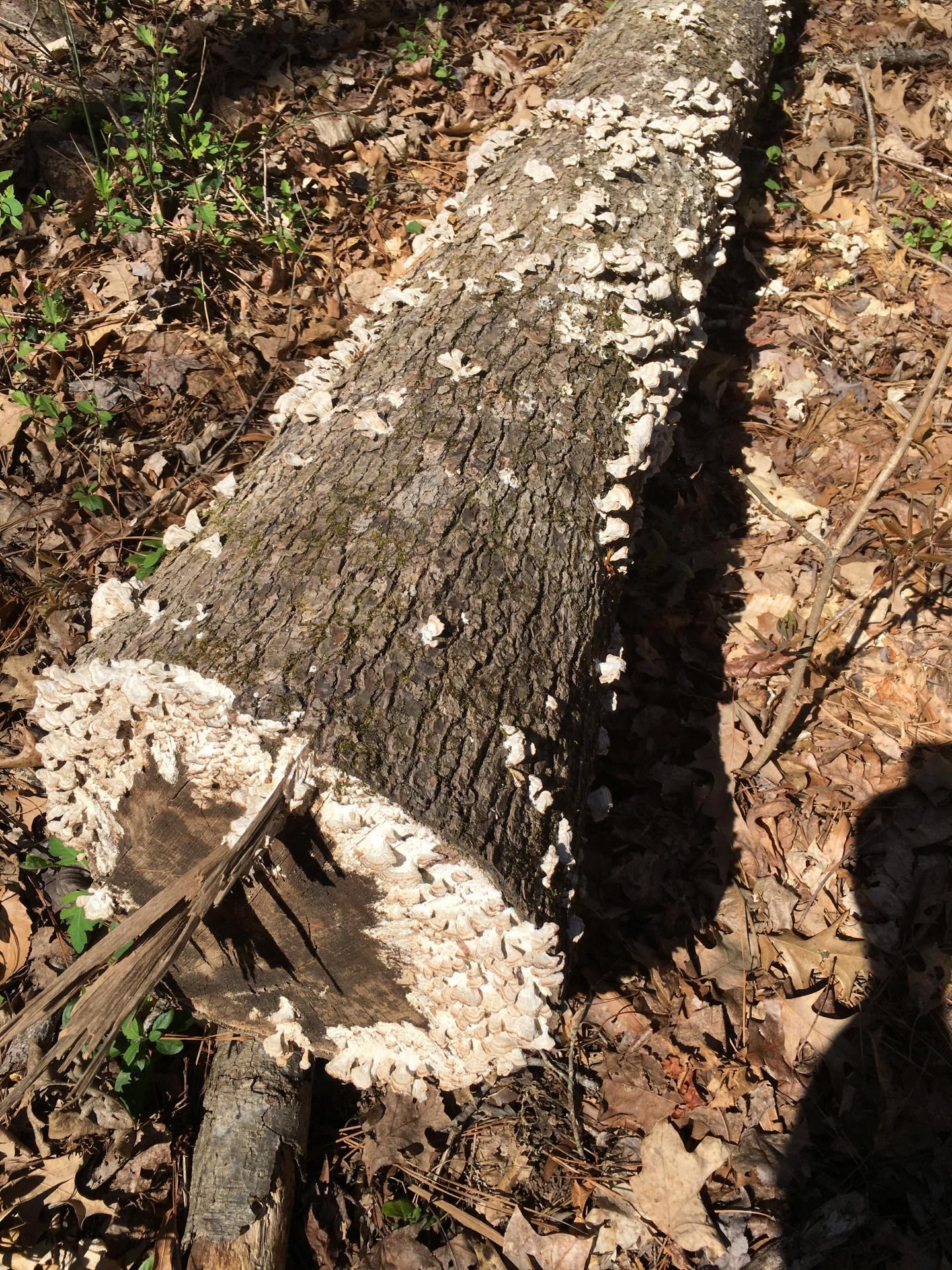
Richard Wolfenden, Ph.D., professor of biochemistry and biophysics at the UNC School of Medicine, details how white rot fungi produce enzymes that turn out to be key players in the carbon cycle
IMAGE

Credit: NA


The recycling of most of the carbon in nature depends on the breakdown of two polymers in woody matter, notably cellulose and lignin. In a paper just published in the journal Biochemistry, Richard Wolfenden, PhD, and colleague Charles Lewis, PhD, both in the UNC Department of Biochemistry and Biophysics, show the extent to which enzymes from woodland fungi accelerate the breakdown of lignin, a complex polymer held together entirely by ether linkages.

After a tree falls in the forest and the chain saw has done its work, clusters of white-rot fungi appear near the cut surfaces. “Etherases” from these lowly fungi use the antioxidant glutathione to clip ether linkages in 23 milliseconds. Lewis and Wolfenden show that without these enzymes, the half-life for the needed hydrolysis of the ether linkages in lignin in water would be about 100 billion years, exceeding the age of the universe by a long shot.

So it turns out that these familiar organisms catalyze what is generally considered to be the rate-determining step in the global carbon cycle, using enzymes that are found to achieve the largest rate enhancement known for any of the thousands of enzymes that exist.

Without these little enzymes, we’d be in a world of hurt.

###

Media Contact
Mark Derewicz
[email protected]
984-974-1915

Original Source

http://news.unchealthcare.org/news/2019/december/how-tiny-enzymes-reign-supreme-in-world-wide-carbon-recycling

Related Journal Article

http://dx.doi.org/10.1021/acs.biochem.9b00698

Tags: BiochemistryBiology
Share12Tweet8Share2ShareShareShare2

Related Posts

Stress-Tested and Proven: Novel Organoid Models Reveal How the Adrenal Gland Develops

Stress-Tested and Proven: Novel Organoid Models Reveal How the Adrenal Gland Develops

March 31, 2026
Boosting Cereal Protein: Nutrition, Yield, Sustainability

Boosting Cereal Protein: Nutrition, Yield, Sustainability

March 31, 2026

Unraveling the Chemical Conversations: How Gut Microbes Communicate with the Entire Body via Metabolites

March 31, 2026

Researchers Link RNA Editing Dysregulation to Abnormal Fetal Brain Development in Down Syndrome

March 31, 2026
Please login to join discussion

POPULAR NEWS

  • blank

    Revolutionary AI Model Enhances Precision in Detecting Food Contamination

    96 shares
    Share 38 Tweet 24
  • Imagine a Social Media Feed That Challenges Your Views Instead of Reinforcing Them

    1006 shares
    Share 398 Tweet 249
  • Promising Outcomes from First Clinical Trials of Gene Regulation in Epilepsy

    51 shares
    Share 20 Tweet 13
  • Advancements in EV Battery Technology to Surpass Climate Change-Induced Degradation

    45 shares
    Share 18 Tweet 11

About

We bring you the latest biotechnology news from best research centers and universities around the world. Check our website.

Follow us

Recent News

Tunable Intense Terahertz Pulses from Strained Diamond

New Study Shows Integrating Lifestyle Medicine into Primary Care Enables Safe Deprescribing of Diabetes Medications

Enhancing CAR T Therapy in Pancreatic Cancer by Targeting Tumor-Supporting Cells

Subscribe to Blog via Email

Enter your email address to subscribe to this blog and receive notifications of new posts by email.

Join 78 other subscribers
  • Contact Us

Bioengineer.org © Copyright 2023 All Rights Reserved.

Welcome Back!

Login to your account below

Forgotten Password?

Retrieve your password

Please enter your username or email address to reset your password.

Log In
No Result
View All Result
  • Homepages
    • Home Page 1
    • Home Page 2
  • News
  • National
  • Business
  • Health
  • Lifestyle
  • Science

Bioengineer.org © Copyright 2023 All Rights Reserved.