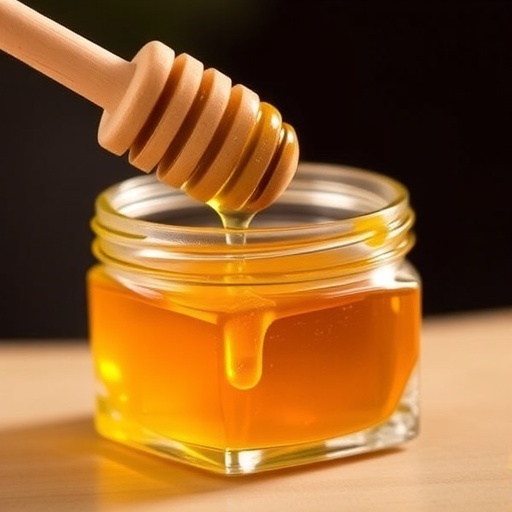
Researchers at the University of Sassari have unveiled compelling evidence that multifloral honey possesses significant protective effects against ultraviolet (UV) radiation–induced damage in human skin cells. This discovery advances the understanding of honey’s bioactive properties, positioning it as a potential candidate for future clinical and cosmetic applications aimed at preventing premature skin ageing and cellular damage.
Honey’s renowned antioxidant, antimicrobial, and anti-inflammatory characteristics have long been leveraged in medical-grade products such as wound dressings, gels, and ointments. Inspired by these established uses, Dr. Fikiye Fulya Kavak and her colleagues sought to investigate whether multifloral honey could similarly shield human skin cells from UV-induced stress, given the critical role of skin as the body’s primary defense against environmental hazards.
The team cultured three primary skin cell types—skin stem cells, fibroblasts, and keratinocytes—within a dynamic bioreactor system designed to emulate the physiological conditions of human skin. Prior to UV exposure, selected cultures were treated with a 1% multifloral honey solution for 48 hours. Subsequent analyses assessed cellular responses to UV stress, with a focus on molecular and genetic pathways.
Gene expression profiling via real-time quantitative PCR revealed that honey pretreatment significantly modulated markers related to cellular ageing, stress response, and tissue regeneration. Notably, in skin stem cells, honey elevated stemness markers while concurrently suppressing genes associated with ageing. This transcriptional regulation correlated with a reduction in nitric oxide release and an enhancement of antioxidant capacity—key indicators of mitigated oxidative stress.
Beyond genetic expression, multifloral honey influenced the balance of cell proliferation and renewal signals, promoting a controlled and protective cellular response rather than an excessive repair reaction. This nuanced effect suggests honey facilitates skin cell homeostasis following UV-induced insult, maintaining the delicate equilibrium between damage repair and cell function preservation.
While promising, the study remains preliminary, with ongoing efforts directed at protein-level validation to confirm that the observed mRNA changes translate into functional protein alterations. The researchers are also advancing delivery methods, developing nanofiber-based systems designed to provide controlled and biocompatible release of honey’s active components, which could revolutionize topical skin therapies.
Dr. Kavak cautions that despite these encouraging laboratory results, multifloral honey is not yet a substitute for sunscreen or clinical treatment. Further preclinical and human trials are imperative to establish safety, efficacy, and therapeutic protocols. Nonetheless, this research underscores the potential for natural bioactive substances in innovative dermatological solutions.
These findings spotlight the intricate interplay between natural compounds and skin biology, opening pathways for new cosmetic and medical products that harness the multifaceted benefits of multifloral honey. As research progresses, multifloral honey may emerge as a vital ally in protecting skin health against the pervasive threat of UV radiation.
Subject of Research: Protective and regulatory effects of multifloral honey on UV-induced stress in human skin cells
Article Title: Multifloral Honey as a Protective Agent Against UV-Induced Cellular Damage in Human Skin
News Publication Date: Not provided
Web References: Not provided
References: Not provided
Image Credits: Fulya Kavak
Keywords
Multifloral honey, UV radiation, skin ageing, oxidative stress, stem cell protection, antioxidant capacity, gene expression, nanofiber delivery system
Tags: anti-aging skin protectionbioactive compounds in honey for skin healthcosmetic applications of honey-derived ingredientshoney’s antioxidant properties in dermatologyhoney’s role in cellular regenerationhuman skin cell bioreactor researchmultifloral honey skin cell studynatural skincare anti-inflammatory agentsskin aging molecular pathwaysskin stem cell protection against UVUV radiation skin damage preventionwound healing and anti-aging effects