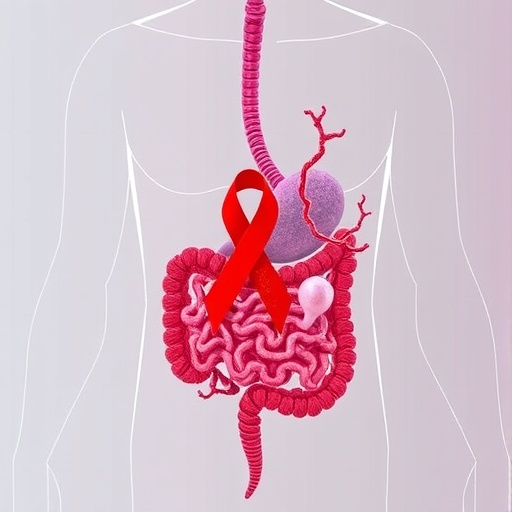
In a groundbreaking study poised to alter the landscape of HIV research and gut microbiome science, an international team of scientists has uncovered a compelling link between the gut microbiomes of people living with HIV (PLWH) and the degree of their systemic immune deficiency. This investigation, conducted with cohorts from geographically and ethnically distinct populations in Israel and Ethiopia, leverages the power of shotgun metagenomic sequencing to unravel the complex microbial ecosystems within the intestinal tract of these individuals. By doing so, the researchers illuminate how HIV-associated gut dysbiosis may directly influence immune function and vulnerability to opportunistic infections, deepening our understanding of the interplay between host immunity and microbial communities.
The gut microbiome’s composition in PLWH has long been recognized as altered compared to healthy individuals, yet clarity on how these microbiotic changes impact immune status and clinical outcomes has remained elusive. This study’s novel approach identifies not merely the microbial shifts but crucially associates these alterations with peripheral CD4+ T cell counts, a key biomarker of immune competence in HIV infection. The researchers reveal a striking dichotomy: while the Israeli cohort’s microbiome shifts predominantly involved a transition from Bacteroides to Prevotella species, the Ethiopian cohort demonstrated an increase in Enterobacteriaceae species, including notorious pathogens such as Escherichia coli and Klebsiella quasivariicola, underscoring how geographic and environmental factors sculpt microbial assemblages uniquely in different human populations.
Delving deeper into the consequences of such dysbiosis, the team employed fecal microbiome transplantation (FMT) to germ-free or antibiotic-treated mice, implanting microbiota sourced from PLWH donors with varying CD4+ counts. Remarkably, fecal material from PLWH donors with relatively preserved immune function—those with high peripheral CD4+ T cell counts—induced an increased presence of colonic epithelium-associated CD4+ T cells in recipient mice. This observation suggests that a robust gut microbiome associated with better immune status supports mucosal immune homeostasis, a critical barrier against intestinal pathogens.
Conversely, fecal microbiomes obtained from severely immunodeficient PLWH donors failed to promote similar lymphocyte induction in recipient animals. This deficiency was linked to altered susceptibility to infection with Cryptosporidium parvum, a frequent opportunistic pathogen in immunocompromised hosts. These findings point to a causative axis where dysbiotic microbiomes directly undermine gut mucosal defenses, thereby facilitating pathogen invasion and complicating the clinical trajectory of HIV.
This bidirectional relationship between HIV progression and gut microbial communities sheds new light on the multifaceted mechanisms underpinning immunodeficiency and pathogen susceptibility. It highlights the gut not merely as a passive victim of immune collapse but as an active player whose microbial ecology shapes and is shaped by systemic immune health. Importantly, the divergent microbial signatures detected in different geographical cohorts stress the need for regional considerations when designing microbiome-targeted interventions or therapeutics for PLWH.
The molecular techniques used, particularly shotgun metagenomic sequencing, enabled a comprehensive and fine-grained characterization of the microbe populations present, surpassing traditional 16S rRNA gene profiling in resolution and scope. This technology allowed for the detection of subtle shifts at the species level, including opportunistic and pathobiont expansions, which bear significant immunological consequences. The study thus exemplifies the power of high-throughput sequencing to uncover microbial contributions to disease states and immunity.
One of the most striking revelations of this work is the clear indication that not all HIV-associated gut dysbioses are equivalent; rather, the state of systemic immune status correlates strongly with distinct microbiome profiles and functional outcomes. This suggests that microbiome alterations might serve as biomarkers for disease progression or targets for therapeutic modulation to restore mucosal immunity. Future therapies could conceivably involve customized microbiota transplants or pre/probiotic regimens to rebalance the gut ecosystems of PLWH and fortify defenses against opportunistic infections.
Moreover, the modulation of gut-associated lymphocytes by donor microbiomes in the animal transplantation model underscores the profound immunomodulatory potential harbored in microbial communities. It also informs on how immunodeficiency might impair local immune cell populations critical for maintaining epithelial integrity and pathogen surveillance, thus propagating a vicious cycle of immune dysfunction and microbial imbalance.
The presence of increased Enterobacteriaceae in the Ethiopian cohort, encompassing species such as Escherichia coli and Klebsiella quasivariicola, raises important concerns due to their known pathogenic potential and antibiotic resistance profiles. This expansion underscores the potential risk that microbiome shifts may elevate the chance of bacterial translocation, systemic inflammation, and sepsis in immunocompromised patients, particularly in resource-limited settings.
Collectively, these findings foster a new paradigm emphasizing the gut microbiome’s integral role in HIV pathogenesis and management. They beckon further research examining how interventions targeting the microbiome might complement antiretroviral therapy and address residual immune dysregulation and infection susceptibility in PLWH. By exposing the intimate connection between systemic immunodeficiency and intestinal microbial landscape, this study pioneers a route toward holistic, microbiome-informed strategies to optimize health outcomes in HIV.
Such insights also challenge the scientific community to reconsider the gut microbiome’s diagnostic and therapeutic potential beyond the confines of traditional infectious diseases. The immune axis influenced by gut microbes might emerge as a critical focal point in managing chronic viral infections, autoimmune diseases, and other systemic conditions entwined with mucosal immunity.
With the global burden of HIV and the rising prevalence of antimicrobial resistance, interventions informed by the microbiome could help mitigate opportunistic infections and improve quality of life for millions worldwide. By characterizing these complex microbial-immune interactions in ethnically and geographically diverse cohorts, this study sets a precedent for personalized microbiome medicine shaped by demographic and environmental contexts.
As the field advances, integrative approaches combining high-resolution microbial profiling, immunologic assessments, and functional validations such as fecal microbiota transplantation raise the possibility of bespoke microbial therapies tailored to individual immune landscapes. This personalized approach could revolutionize how HIV-associated comorbidities are managed, moving beyond viral suppression alone towards comprehensive immune restoration.
In closing, the nuanced discoveries presented here affirm that the gut microbiome is far more than a passive ecosystem altered by HIV; it is a dynamic participant in the illness trajectory, influencing systemic immune competence and susceptibility to life-threatening gut infections. The implications of this work resonate well beyond HIV, illuminating the critical nexus between microbiome composition, host immunity, and infectious disease susceptibility. As research unfolds, these insights promise to usher in a new era of microbiome-guided diagnostics and therapeutics with profound impacts on global health.
Subject of Research: The impact of HIV-associated gut microbiome dysbiosis on systemic immunodeficiency and susceptibility to opportunistic gut infections.
Article Title: Human immunodeficiency virus-associated gut microbiome impacts systemic immunodeficiency and susceptibility to opportunistic gut infection.
Article References:
Bashiardes, S., Heinemann, M., Adlung, L. et al. Human immunodeficiency virus-associated gut microbiome impacts systemic immunodeficiency and susceptibility to opportunistic gut infection. Nat Microbiol (2026). https://doi.org/10.1038/s41564-025-02253-8
Image Credits: AI Generated
DOI: https://doi.org/10.1038/s41564-025-02253-8
Tags: CD4+ T cell count and microbiomegeographic variation in HIV microbiomegut dysbiosis and HIV infectiongut microbiome biomarkers in HIVHIV gut microbiome interactionHIV immune function and microbiotaHIV research in Israel and EthiopiaHIV-associated gut microbiome changesmicrobial ecosystems in HIV patientsopportunistic infections in HIVshotgun metagenomic sequencing HIV studysystemic immune deficiency in HIV