


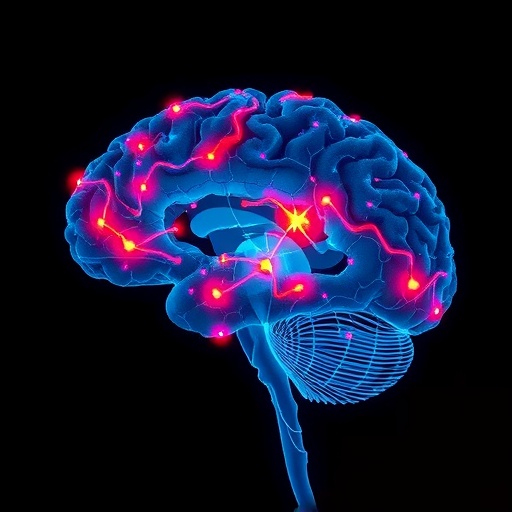
In a groundbreaking study published in 2026, researchers Mbagwu, S.I., Levi, U.I., and Obi, N.P., investigate the oxidative stress and histopathological alterations occurring in the brain’s hippocampus and prefrontal cortex due to two distinct yet influential external factors: exposure to artificial light at night and methamphetamine abuse. This multifaceted study sheds light on the interplay between environmental conditions and substance use, and its impact on crucial brain structures involved in memory, decision-making, and behavior.
Illumination at night, especially in urban settings, has escalated tremendously due to technological advancements. The human brain, which inherently thrives under natural circadian rhythms, can be dramatically affected by the persistent exposure to artificial light. Mbagwu et al. emphasize the biochemical and physiological ramifications of nighttime illumination, drawing parallels with its potential to disrupt the regulation of neurotransmitters and hormones that modulate our mood and cognitive functions. This disruption leads to a cascade of oxidative stress, which, if left unchecked, can result in cellular dysfunction, neurodegeneration, and various psychiatric disorders.
Simultaneously, the research underscores the role of methamphetamine, a potent central nervous system stimulant known for its addictive properties and detrimental effects on mental health. The neurotoxic effects of methamphetamine are increasingly documented, with particular concern regarding its ability to promote oxidative stress and histopathological damage. When combined with the influence of artificial night light, the effects can be exacerbated, amplifying deleterious consequences for the hippocampus and prefrontal cortex, areas intimately involved in memory formation and executive function.
The study meticulously delineates the oxidative changes that prevail in these brain regions following exposure to both stressors. Reactive oxygen species (ROS) levels are monitored, revealing a significant spike in oxidative stress markers that indicate biochemical turmoil within neuronal cells. The findings draw attention to how these reactive species compromise synaptic integrity and, over time, contribute to cognitive decline and emotional disturbances.
Histopathological examinations within this research are equally illuminating. The authors utilized advanced imaging techniques to observe the structural changes within the hippocampus and prefrontal cortex following exposure to artificial light at night and methamphetamine. These evaluations not only unveil cellular alterations but also highlight the eventual loss of critical neuronal populations that could fundamentally impair cognitive abilities.
Neural inflammation also plays a pivotal role in this study. In light of the findings, the authors hypothesize that both artificial light exposure and methamphetamine consumption trigger inflammatory pathways in the brain. This inflammation exacerbates the damage to neuronal cells, further hindering neurogenesis in regions like the hippocampus, which is crucial for learning and memory. The neuroinflammatory response is juxtaposed against the backdrop of oxidative stress, weaving a complex web of neurobiological repercussions that could have lifelong effects.
In discussing the implications of such findings, Mbagwu et al. stress the importance of understanding the broader context of lifestyle choices and their ramifications on brain health. This dual exposure model posits critical insights for public health policymakers, especially in today’s society where addiction and mental health challenges are on the rise. Awareness about the risks of artificial light and substance use is crucial for preventative strategies that aim to mitigate their impact on neurocognitive capacities.
The findings also contribute to the ongoing discourse about mental health in relation to environmental factors. As societies drift toward 24-hour productivity, the implications of constant artificial illumination become more apparent. The delicate balance of our circadian rhythms is threatened, which could lead to increased vulnerability to addiction and cognitive impairment as shown in the study.
Impacts on future research avenues are significant, suggesting a more profound inquiry into potential therapeutic strategies aimed at counteracting the oxidative and inflammatory processes detailed in this ground-breaking work. Such interventions could range from lifestyle modifications, such as limiting exposure to blue light at night or managing substance intake, to exploring pharmacological approaches targeting oxidative stress and neuronal repair.
Furthermore, the research emphasizes a call for integrative approaches to mental health that encompass both psychological and physiological perspectives. By concurrently addressing both lifestyle factors and neurological health, the potential for holistic treatment methodologies expands, presenting a promising frontier in neuroscience and psychiatry.
Through meticulous experimentation and analysis, the study carefully delineates a complex relationship that highlights the urgent need for multidimensional approaches to understanding human brain health. Imbuing our comprehension of addiction and cognitive decline with insights on environmental factors introduces a new paradigm in addressing mental health challenges, one that is as much about our surroundings as it is about our choices.
In conclusion, the work of Mbagwu and colleagues serves as a crucial reminder of how our modern lifestyles—marked by artificial light exposure and substance use—can markedly affect the biology of our brains. The research not only enriches our understanding of oxidative and histopathological changes in key brain regions but also advocates for a proactive stance in public health, ushering in a future where neuroprotective measures become a priority in safeguarding our mental health.
Subject of Research: The effects of artificial light at night and methamphetamine exposure on oxidative stress and histopathological changes in the hippocampus and prefrontal cortex.
Article Title: Oxidative and histopathological changes in the hippocampus and prefrontal cortex following light-at-night and methamphetamine exposure.
Article References:
Mbagwu, S.I., Levi, U.I., Obi, N.P. et al. Oxidative and histopathological changes in the hippocampus and prefrontal cortex following light-at-night and methamphetamine exposure. BMC Neurosci (2026). https://doi.org/10.1186/s12868-025-00992-2
Image Credits: AI Generated
DOI: 10.1186/s12868-025-00992-2
Keywords: oxidative stress, histopathology, hippocampus, prefrontal cortex, artificial light, methamphetamine, neuroinflammation, cognitive decline, brain health, lifestyle factors.
Tags: circadian rhythms and brain healthenvironmental factors in addictionhippocampal damage from artificial light exposurehistopathological alterations in the brainmethamphetamine effects on brain healthneurodegeneration from substance abuseneurotransmitter regulation and mood disordersnighttime light and cognitive functionoxidative stress in the brainprefrontal cortex and decision-makingpsychiatric disorders linked to light exposureurban lighting impact on mental health



