


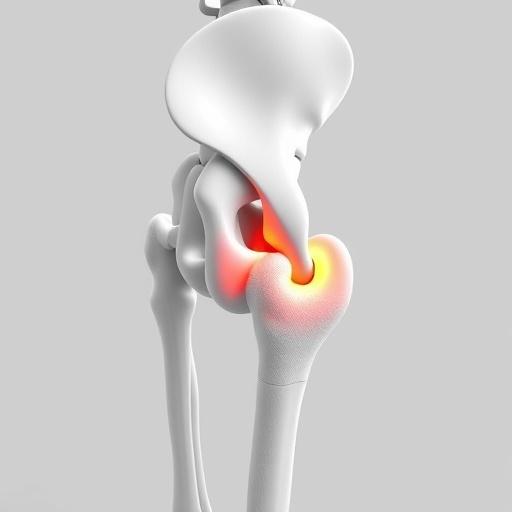
In a groundbreaking study titled “Epidemiology of hip fracture in Iraq and development of a country-specific FRAX model,” researchers delve into an often-overlooked aspect of public health: the high incidence of hip fractures, particularly among the elderly population in Iraq. This research is timely, as it provides invaluable insights into the factors influencing bone health and fracture risk in a region with unique socio-economic and cultural contexts. By employing rigorous statistical methodologies, the study aims to shed light on the prevalence of hip fractures and develop a region-specific FRAX model that can better predict fracture risk for the Iraqi population.
Hip fractures represent a significant global health issue, especially for the aging population. With older individuals being more prone to falls and osteoporosis, the implications of such injuries extend beyond immediate physical trauma and into long-term rehabilitation, diminished quality of life, and increased mortality rates. This study, spearheaded by Abdulbari and colleagues, underscores the urgent need for enhanced understanding and management of fracture risk in Iraq, a nation’s health data regarding such injuries has been scant and often generalized from international datasets.
The research meticulously collected data from various healthcare facilities across Iraq, ensuring a comprehensive representation of the population. A robust methodology was employed to assess the incidence of hip fractures, evaluating demographic factors such as age, gender, and lifestyle choices that may influence bone health. This level of diligence is crucial, as hip fractures are frequently underreported in low- and middle-income countries due to limited access to healthcare facilities and varying standards of medical reporting, making studies such as this one pivotal for accurate epidemiological assessments.
Furthermore, the study’s development of a country-specific FRAX model is an especially noteworthy accomplishment. The FRAX tool, originally created to estimate the 10-year probability of hip and other major osteoporotic fractures, has been extensively validated in various populations. However, existing models often rely on data from Western demographics, which may not fully capture the distinctive risk factors present in Iraq. By tailoring the FRAX model to the Iraqi context, the researchers endeavor to provide a more precise risk assessment, which can significantly influence clinical decision-making and preventative strategies for at-risk populations.
The researchers documented startling findings related to the fracture incidence rates, indicating a substantial increase in hip fractures among the older population. This data provides crucial evidence of the demographic shifts in Iraq, where an aging population coupled with rising life expectancy and changing societal norms have elevated the risks associated with osteoporosis and fractures. The implications of these findings are profound, particularly as they relate to the healthcare burden and the potential for increased demand on trauma and orthopedic services.
In addition to the epidemiological data, the study also identified key modifiable risk factors contributing to hip fracture incidence. Behavioral patterns such as physical inactivity, low dietary calcium intake, and the prevalence of smoking were highlighted as critical areas for public health interventions. These modifiable factors align with global best practices in osteoporosis prevention, emphasizing that targeted education and resources for the elderly and at-risk populations can have a significant impact on reducing fracture rates.
The findings of this research may catalyze improved healthcare policies in Iraq, particularly in the realms of geriatric care and orthopedic health. Policymakers can use this evidence to advocate for enhanced funding and resources dedicated to osteoporosis screening, patient education programs, and community-wide initiatives aimed at promoting physical activity among the elderly. Such strategic interventions could reduce the incidence of hip fractures, ultimately leading to better health outcomes and a decreased economic burden on Iraq’s healthcare system.
Moreover, the study emphasizes the need for ongoing research into osteoporosis and hip fractures, particularly in underrepresented populations. The development of localized research initiatives can help bridge knowledge gaps that exist in the global health landscape. Through collaborations between local healthcare providers, researchers, and international experts, the Iraqi medical community can foster a culture of inquiry that fuels future advancements in fracture prevention and treatment.
As this research begins to gain traction, the broader scientific community will undoubtedly benefit from these insights as well. The study’s findings will likely resonate with many nations facing similar challenges, providing a blueprint for developing country-specific models and intervention strategies. This approach may also spur international discussions on the need for comprehensive data collection and analysis, ultimately contributing to a more integrated understanding of bone health across varying cultures and environments.
In conclusion, the study conducted by Abdulbari and colleagues represents a crucial step forward in understanding the epidemiology of hip fractures in Iraq. By developing a country-specific FRAX model, this research provides a foundational tool for better healthcare decision-making and effective risk assessment. As the issue of hip fractures looms large over the aging population in Iraq, the insights gained from this research can lead to pivotal advancements in public health, policy implementation, and ultimately, the quality of life for many individuals at risk.
The study provides an essential foundation for a national strategy to combat osteoporosis and hip fractures, recognizing that the integration of culture, healthcare, and epidemiological data is vital to addressing this pressing public health issue comprehensively. The researchers argue that collaboration among all stakeholders involved in healthcare, from policymakers to medical professionals, is essential to successfully implement the necessary changes that can help prevent the occurrence of hip fractures and improve bone health in Iraq.
With the potential to influence not only national health policies but also global discussions surrounding aging populations, this research illuminates the path forward in the fight against osteoporosis and fracture-related morbidity. As countries like Iraq work tirelessly to adapt to shifting demographics and associated health challenges, studies like this will serve as vital resources in their endeavors to create healthier communities.
Subject of Research: Epidemiology of hip fracture in Iraq
Article Title: Epidemiology of hip fracture in Iraq and development of a country-specific FRAX model
Article References:
Abdulbari, A., Jassim, N.A., Motlaq, Y.H. et al. Epidemiology of hip fracture in Iraq and development of a country-specific FRAX model.
Arch Osteoporos 20, 145 (2025). https://doi.org/10.1007/s11657-025-01631-3
Image Credits: AI Generated
DOI: https://doi.org/10.1007/s11657-025-01631-3
Keywords: hip fracture, osteoporosis, FRAX model, Iraq, epidemiology, public health, aging population, bone health, risk factors.
Tags: aging population health issuescountry-specific FRAX model developmentelderly population bone healthfracture risk prediction modelshigh incidence of hip fractureship fracture epidemiology in Iraqmortality rates from hip fracturesosteoporosis risk factors in Iraqpublic health challenges in Iraqregional healthcare data collectionrehabilitation after hip fracturessocio-economic impact on bone health



