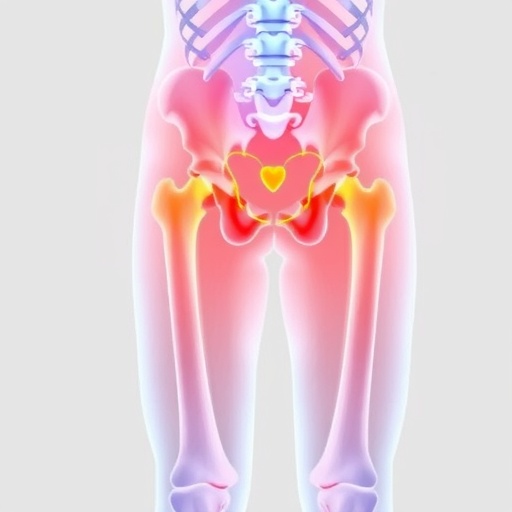
In a recent study published in BMC Pediatrics, researchers conducted an extensive investigation into the prevalence of hip dislocation and subluxation among children with cerebral palsy in a Sub-Saharan country. This groundbreaking research, led by Kifle et al., aimed to shed light on a crucial aspect of pediatric orthopedic health that remains underexplored in many regions, particularly in low-resource settings. With a focus on an institution-based cross-sectional study, the authors sought to gather reliable data that could inform clinical practices and public health strategies aimed at improving outcomes for these vulnerable children.
Cerebral palsy is a neurological disorder that results from brain damage during early development, impacting muscle tone, movement, and motor skills. It is a lifelong condition that can manifest in various forms and degrees of severity, leading to a range of associated complications. Among these complications, musculoskeletal issues, notably hip dislocations and subluxations, pose significant challenges for children with cerebral palsy. These conditions can not only cause discomfort and pain but can also impede functional mobility and overall quality of life.
The prevalence of hip dislocation among children with cerebral palsy is particularly concerning, with many studies suggesting that the rates are significantly higher than in the general pediatric population. This study set out to quantify this prevalence within a specific Sub-Saharan context, where the healthcare infrastructure may not fully support the early diagnosis and management of such complications. By establishing the prevalence rates, the research will contribute essential data that could influence health policies and resource allocation in the region.
In conducting this research, the authors utilized a cross-sectional study design that allowed for a comprehensive assessment of hip health in a large cohort of children diagnosed with cerebral palsy. Utilizing rigorous methodologies, the team examined clinical records and conducted physical examinations to identify cases of hip dislocation and subluxation. This meticulous approach ensured the reliability of the findings, which could then be generalized to inform wider clinical practice in similar settings.
The findings of the study revealed an alarmingly high prevalence of hip dislocation among the children assessed. This data underscores the urgent need for targeted interventions aimed at preventing these complications. The authors highlight that early screening, regular monitoring, and timely interventions are necessary to mitigate the risk of hip dislocation and support better health outcomes for children affected by cerebral palsy.
Moreover, the study emphasizes the importance of training healthcare providers in the recognition and management of hip-related issues in pediatric patients with cerebral palsy. Such training could facilitate earlier interventions, thereby reducing the long-term consequences associated with undiagnosed or poorly managed hip conditions. Increased awareness among healthcare professionals about these risks can lead to better assessment protocols and management strategies tailored to the needs of these children.
The implications of this research extend beyond clinical practice; they also touch upon broader healthcare policies in Sub-Saharan countries. Policymakers can leverage these findings to advocate for enhanced funding and resources dedicated to pediatric rehabilitation services. Improving access to orthopedic care, rehabilitation therapies, and educational resources will be instrumental in addressing the challenges faced by children with cerebral palsy and their families in these regions.
Additionally, the insights from this study will likely resonate with parents and caregivers of children with cerebral palsy, who often grapple with the emotional and physical burdens of managing complex health issues. By highlighting the prevalence of hip dislocation and the need for proactive care, the research serves to empower families with knowledge that can guide their engagement in their child’s health journey.
In conclusion, this study by Kifle et al. marks a significant contribution to the understanding of hip health in children with cerebral palsy. It illuminates a critical area of pediatric care that demands greater attention and action, particularly in low-resource countries where healthcare disparities persist. As the healthcare community endeavors to improve outcomes for children with disabilities, the findings of this research will undoubtedly play a vital role in shaping future initiatives aimed at enhancing orthopedic care in pediatric populations.
By addressing the pressing issue of hip dislocation prevalence, the researchers pave the way for a more informed approach to managing cerebral palsy in children. Their work not only highlights existing challenges but also emphasizes the potential for improved practices and policies that can lead to better health outcomes. The call to action for healthcare providers, policymakers, and families alike is clear: increased vigilance and proactive measures are needed to safeguard the health and well-being of children with cerebral palsy.
As the global community responds to the needs of disabled children, this research stands as a reminder of the work that remains to be done. With data-driven insights and collaborative efforts, it is possible to make strides toward ensuring that all children, regardless of their medical challenges, receive the care and support they deserve. The road ahead may be long, but the commitment to improving the lives of children with cerebral palsy is unwavering. This study serves as a critical step in that journey.
Subject of Research: Prevalence of hip dislocation and subluxation among children with cerebral palsy.
Article Title: Prevalence of hip dislocation and subluxation among children with cerebral palsy: an institution-based cross-sectional study from a Sub-Saharan country.
Article References:
Kifle, Y.D., Woldemeskel, B.Y. & Gebregiogis, B.T. Prevalence of hip dislocation and subluxation among children with cerebral palsy: an institution-based cross-sectional study from a Sub-Saharan country.
BMC Pediatr 25, 893 (2025). https://doi.org/10.1186/s12887-025-06276-2
Image Credits: AI Generated
DOI: https://doi.org/10.1186/s12887-025-06276-2
Keywords: Hip dislocation, Cerebral palsy, Pediatric health, Sub-Saharan Africa, Musculoskeletal disorders, Health policy, Orthopedic care.
Tags: cerebral palsy complicationsclinical practices for cerebral palsyhip dislocation in cerebral palsyimpact of cerebral palsy on mobilityKifle et al. study findingslow-resource healthcare settingsmusculoskeletal issues in childrenneurological disorders in childrenpediatric orthopedic healthprevalence of hip subluxationpublic health strategies for pediatric careSub-Saharan pediatric health research