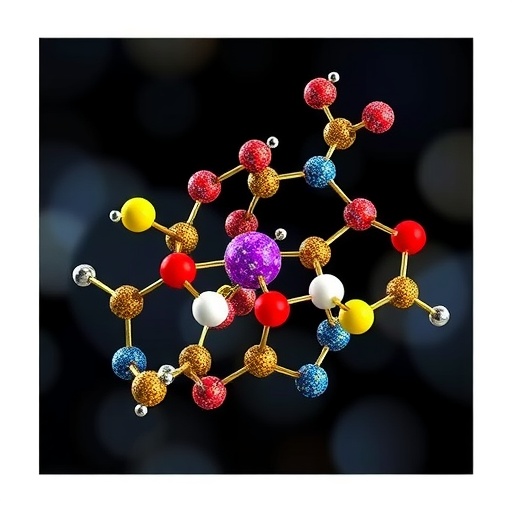
Peroxiredoxins have long intrigued biologists with their versatile roles in cellular defense and signaling. These antioxidant enzymes, found ubiquitously across eukaryotes, serve as pivotal guardians against oxidative stress. Despite intense scrutiny over the years, the exact mechanisms that govern the dynamic structural changes enabling their multifaceted functions remained elusive—until now. A groundbreaking new study by Zimmermann, Lang, Malo Pueyo, and colleagues, recently published in Nature Chemical Biology, uncovers the molecular choreography behind the structural plasticity of eukaryotic peroxiredoxins. Through a combination of cutting-edge biophysical techniques and innovative protein engineering, the team reveals how hetero-oligomerization acts as a key driver of their functional versatility.
At the heart of this discovery is the concept that eukaryotic peroxiredoxins do not operate as static entities but instead undergo structural rearrangements by assembling into hetero-oligomeric complexes. These complexes are composed of multiple subunits that differ in isoform or post-translational modification state, allowing the peroxiredoxins to switch between distinct functional states. This structural plasticity is thought to be crucial for the enzymes’ ability to modulate reactive oxygen species (ROS) signaling while simultaneously detoxifying harmful peroxides. Previously, peroxiredoxins were considered mainly as homomeric catalysts cycling between reduced and oxidized forms, but this new paradigm shifts the focus toward a more nuanced and adaptable quaternary architecture.
The team employed advanced cryo-electron microscopy (cryo-EM) paired with mass spectrometry to capture high-resolution snapshots of peroxiredoxin oligomers in different functional contexts. These methodological advances allowed them to pinpoint specific interfaces responsible for hetero-dimerization and hetero-oligomer assembly, highlighting how certain residue substitutions and conformational changes guide selective subunit interactions. Intriguingly, the data demonstrated that some of these hetero-oligomers are transient and dynamically regulated depending on cellular redox states and signaling inputs, suggesting a high degree of structural responsiveness to physiological cues.
Complementing the structural studies, the researchers used spectroscopic assays to monitor the catalytic activity and peroxide binding of these hetero-oligomer forms. The results revealed that assembly into hetero-complexes modulates the enzyme’s catalytic efficiency and substrate specificity. This finding indicates that hetero-oligomerization not only alters structural conformation but also tailors enzymatic function, potentially providing cells with an adaptable mechanism to fine-tune antioxidant defenses under varying oxidative environments.
One particularly fascinating aspect of this study is the identification of isoform-specific interfaces that promote hetero-oligomerization. The authors showed that different peroxiredoxin isoforms exhibit unique surface features and interaction motifs, enabling selective binding to partner subunits. This isoform heterogeneity provides a combinatorial platform that amplifies the functional repertoire of peroxiredoxins far beyond what homomeric complexes could achieve. It is this combinatorial diversity that likely underlies peroxiredoxins’ roles in diverse cellular processes ranging from metabolic regulation to immune responses.
From a broader perspective, these findings underscore the sophisticated regulation of redox biology in eukaryotic cells. Reactive oxygen species, once considered merely damaging agents, now are appreciated as critical signaling molecules. Peroxiredoxins, through their structural plasticity facilitated by hetero-oligomerization, emerge as finely tuned modulators that adjust the balance between ROS detoxification and redox signaling. This balance is vital for maintaining cellular homeostasis and preventing pathological conditions such as cancer, neurodegeneration, and aging-related disorders.
What sets this research apart is its holistic approach that integrates structural biology, enzymology, and cellular redox chemistry. By bridging these disciplines, the team provides compelling evidence that peroxiredoxin oligomeric state transitions are not incidental but are instead central to their biological function. Furthermore, the mechanistic insights gained open avenues for therapeutic strategies aimed at modulating peroxiredoxin activity. Targeting the interfaces involved in hetero-oligomer formation could offer a means to control oxidative stress responses selectively, with implications for treating diseases linked to redox imbalance.
The implications of this study are profound for the wider field of protein structural dynamics as well. It challenges the classical notion that protein function is rigidly dictated by fixed structures, illustrating instead how dynamic oligomerization expands functional capacity. This concept may apply to many other enzyme families and signaling complexes that rely on structural adaptability to fulfill complex roles.
Future research inspired by these findings may explore how other post-translational modifications such as phosphorylation or acetylation influence hetero-oligomerization and peroxiredoxin function. Additionally, the existence of potential chaperone proteins or cellular factors that regulate oligomer assembly in vivo remains an open question. Understanding these regulatory layers will further elucidate the sophisticated network that enables peroxiredoxins to act as sentinels of cellular redox health.
Another exciting direction could involve investigating peroxiredoxin structural plasticity in different physiological and pathological contexts. For example, the role of hetero-oligomerization in cancer cells, which often exhibit altered redox states, could shed light on tumor progression and resistance mechanisms. Similarly, neurodegenerative diseases characterized by oxidative damage might also be influenced by the dynamics of peroxiredoxin complexes.
In conclusion, the study by Zimmermann et al. represents a landmark in delineating how structural plasticity in a vital enzyme family is governed by hetero-oligomerization, unlocking new understanding of redox biology complexity. Their findings not only enhance fundamental knowledge but also pave the way for innovative therapeutic approaches leveraging the modular nature of peroxiredoxin assemblies. As the scientific community continues to unravel the intricate dance of proteins within cells, this work stands as a testament to the power of integrating structural and functional analyses to illuminate biology’s deepest mysteries.
Subject of Research: Structural plasticity of eukaryotic peroxiredoxins driven by hetero-oligomerization.
Article Title: Hetero-oligomerization drives structural plasticity of eukaryotic peroxiredoxins
Article References:
Zimmermann, J., Lang, L., Malo Pueyo, J. et al. Hetero-oligomerization drives structural plasticity of eukaryotic peroxiredoxins. Nat Chem Biol (2026). https://doi.org/10.1038/s41589-026-02157-6
Image Credits: AI Generated
DOI: https://doi.org/10.1038/s41589-026-02157-6
Tags: antioxidant enzyme structure dynamicsbiophysical techniques in enzyme studydynamic enzyme assembly in oxidative stresseukaryotic peroxiredoxin structural plasticityhetero-oligomerization in peroxiredoxinsmultifunctional roles of peroxiredoxperoxiredoxin functional versatilityperoxiredoxin molecular mechanismsperoxiredoxin subunit isoformspost-translational modifications in peroxiredoxinsprotein engineering of antioxidant enzymesreactive oxygen species signaling modulation