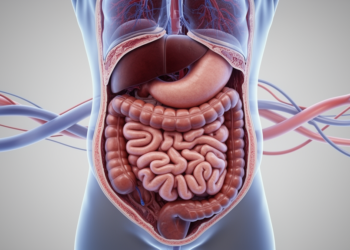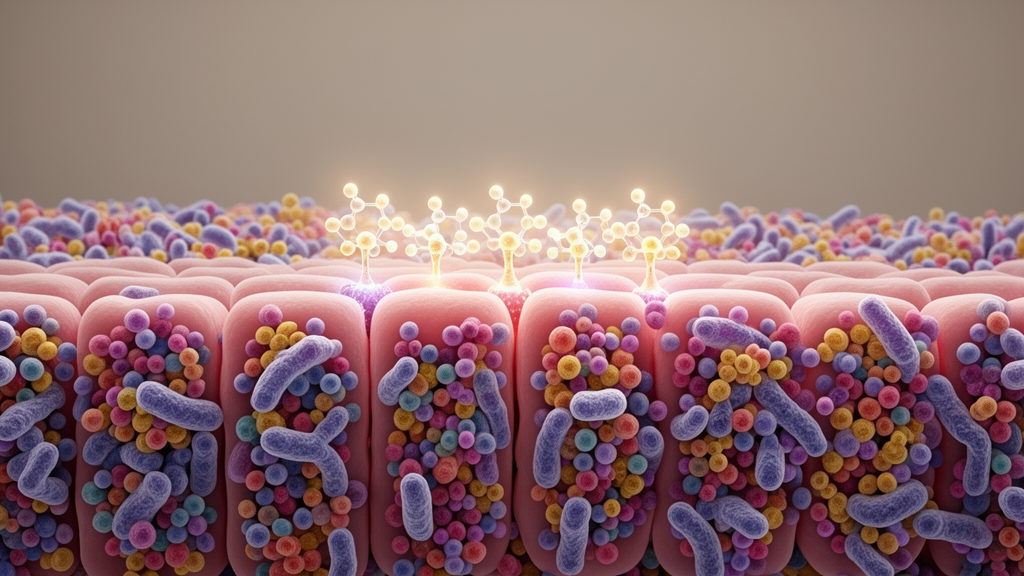
A comprehensive narrative review evaluating the systems-level mechanisms of Traditional Chinese Medicine across the digestive tract demonstrates that botanical interventions operate primarily by coordinating interactions across the gut microbiome, mucosal immune pathways, and intestinal epithelial barrier defenses. The physiological analysis, conducted by researchers at Shanxi Medical University Affiliated Lvliang Hospital and published in Frontiers in Physiology, examines how herbal remedies, purified botanical saponins, and classical multi-herb formulas influence gastrointestinal conditions including inflammatory bowel disease, irritable bowel syndrome, and metabolic disorders. Rather than operating via isolated single-receptor pharmacological targets typical of conventional synthetic agents, traditional botanical strategies demonstrate multi-component activity that concurrently recalibrates bacterial dysbiosis, suppresses pro-inflammatory immune signaling, and upregulates mechanical junctional complexes. However, the authors stress that while preclinical models document robust restorative pathways, the clinical implementation of these botanical formulations requires navigating significant methodological constraints, chemical standardization deficits, and critical safety considerations.
The foundational framework of the review delineates a crucial pharmacokinetic and biochemical distinction between direct cellular effects of absorbable herbal constituents and indirect secondary effects mediated by microbial biotransformation. Direct host interactions are primarily driven by structurally bioavailable small-molecule compounds, such as alkaloids and flavonoids, which achieve systemic circulation and interact directly with host cell surface receptors and intracellular signaling kinases like mitogen-activated protein kinase and nuclear factor kappa B. In contrast, high-molecular-weight polysaccharides derived from traditional herbs such as Astragalus membranaceus, Lycium barbarum, and Ganoderma lucidum resist host enzymatic digestion in the upper tract and instead reach the colon intact. Within the colonic lumen, these non-absorbable macromolecules serve as specialized fermentable substrates for resident anaerobic bacteria, yielding vital microbial secondary metabolites including acetate, propionate, and butyrate that systematically regulate host mucosal physiology through G-protein coupled receptor activation and histone deacetylase inhibition.
Within the microbial compartment, botanical formulations exert substantial corrective selective pressures on dysbiotic architectures, consistently expanding alpha diversity while suppressing pro-inflammatory opportunistic pathogens. In both metabolic syndrome and experimental colitis models, the isoquinoline alkaloid berberine—isolated from Coptis chinensis and Berberidaceae species—consistently elevates the relative abundance of the specialized mucin-degrading bacterium Akkermansia muciniphila alongside short-chain fatty acid producers, while simultaneously reducing pathogenic Proteobacteria populations. Akkermansia muciniphila typically comprises 1 to 5 percent of the healthy fecal microbiota but undergoes marked depletion in chronic intestinal inflammation and metabolic dysfunction. Restoring this taxon optimizes luminal mucin turnover, reinforces epithelial protection, and mitigates systemic metabolic endotoxemia. Furthermore, botanical extracts promote key butyrate producers such as Faecalibacterium prausnitzii and Roseburia species, whose metabolic output supplies colonocytes with sixty to seventy percent of their basal energy requirements while delivering microbial anti-inflammatory molecules that actively inhibit host inflammatory cascades.
The review details how these shifts in microbial composition intersect directly with mucosal immunology, fundamentally redirecting intestinal immune cell differentiation away from persistent pathological activation toward tolerogenic homeostasis. Under chronic inflammatory conditions, active herbal fractions suppress key pro-inflammatory cytokines, including tumor necrosis factor-alpha, interleukin-1 beta, interleukin-6, and interleukin-17, while upregulating immunosuppressive mediators such as interleukin-10 and transforming growth factor-beta. Phytochemicals disrupt core inflammatory cascades by preventing the phosphorylation and degradation of I-kappa-B kinase complexes, blocking nuclear translocation of the transcription factor NF-κB, and suppressing mitogen-activated protein kinase signaling cascades involving extracellular signal-regulated kinase, c-Jun N-terminal kinase, and p38. Concurrently, botanical bioactives restrain the NLRP3 inflammasome and prevent gasdermin-mediated pyroptotic cell death, an effect complemented by microbial branched-chain fatty acids like isovaleric acid, which downregulate gasdermin-E signaling in intestinal mucosal linings.
At the adaptive immunological interface, botanical constituents recalibrate cellular plasticity among distinct T-cell lineages, specifically stabilizing the delicate balance between pro-inflammatory T helper 17 cells and protective regulatory T cells. In conditions like ulcerative colitis, hyperactive Th17 cells drive extensive mucosal damage through high interleukin-17 secretion, whereas forkhead box P3-positive regulatory T cells maintain peripheral immunological tolerance. Simultaneously, macrophage polarization within the lamina propria is redirected from the aggressive, tissue-destructive M1 phenotype toward the tissue-reparative M2 subpopulation via signal transducer and activator of transcription pathways, dampening active inflammation while preserving frontline pathogen surveillance.
Mechanical integrity across the gut interface represents the third arm of this tripartite axis, where herbal compounds reinforce the physical barrier that prevents luminal bacteria and bacterial endotoxins from translocating into the portal circulation. Apical tight junction structures constitute the core determinants of paracellular permeability and transepithelial electrical resistance, organized as a dynamic network of transmembrane proteins including occludin, various claudin isoforms, and junctional adhesion molecules anchored intracellularly to the 220-kilodalton cytoplasmic scaffolding protein zonula occludens-1. Preclinical models demonstrate that flavonoids and saponins preserve these complexes by inhibiting myosin light chain kinase activation, thereby preventing perijunctional actomyosin ring contraction, while activating adenosine monophosphate-activated protein kinase to accelerate tight junction assembly. Furthermore, formulas such as Changyanning and classical multi-herb decoctions systematically upregulate occludin, claudin-1, and ZO-1 expression, counteracting the barrier-disrupting pore-forming claudins and preventing the profound drop in electrical resistance characteristic of chronic leaky gut states.
Beyond tight junction stabilization, botanical components support mucosal wound repair and innate epithelial secretions, stimulating stem cell dynamics to ensure continuous cellular renewal of the epithelial monolayer every four to five days. Saponin fractions, such as Notoginsenoside R1 derived from Panax notoginseng, actively drive intestinal stem cell proliferation and subsequent lineage differentiation at the crypt base through the conserved Wnt/beta-catenin signaling cascade. In parallel, Astragalus polysaccharides supply crucial metabolic signals that prompt epithelial goblet cells to increase transcription of MUC2 mucin, significantly expanding the depth of the protective inner mucus layer during experimental colitis. Paneth cells situated at the base of intestinal crypts are concurrently supported to release antimicrobial peptides, including lysozymes and defensins, which exert selective bacteriostatic pressure against invading pathobionts while leaving symbiotic commensals intact, thereby providing layered structural defense against luminal antigenic load.
Translating these preclinical cellular pathways into clinical practice reveals mixed evidence tiers that vary dramatically depending on the specific botanical formulation, patient cohort, and targeted pathology. In inflammatory bowel disease, systematic meta-analyses encompassing randomized controlled trials demonstrate that adjunctive herbal therapy provides superior rates of clinical response and endoscopic mucosal improvement compared to placebo alone. A meta-analysis examining 37 randomized trials with 3,145 ulcerative colitis patients indicated that Wumei Wan interventions improved clinical response rates and lowered inflammatory biomarkers relative to conventional therapy alone, although the authors cautioned regarding variable trial blinding. Similarly, a systematic review of 14 randomized controlled trials involving 1,158 participants confirmed that the classical formula Shenling Baizhu San substantially improved patient-reported gastrointestinal symptom relief in chronic diarrhea cohorts without increasing adverse event rates, though objective endoscopic biomarkers were rarely recorded.
In metabolic pathology, berberine has accumulated definitive clinical trial verification that places its therapeutic efficacy on par with conventional first-line pharmaceuticals for glycemic and lipid parameters. A systematic review and meta-analysis demonstrated that berberine combined with lifestyle modifications achieved hypoglycemic effects equivalent to standard oral agents such as metformin, glipizide, and rosiglitazone, alongside superior mild anti-dyslipidemic actions. Clinical pilot trials revealed that a three-month course of berberine administered at 0.5 grams three times daily reduced glycated hemoglobin, fasting glucose, and postprandial glucose to degrees identical to metformin, while driving down fasting insulin levels by 28.1 percent and decreasing the homeostatic model assessment of insulin resistance by 44.7 percent. To overcome traditionally poor gastrointestinal absorption, bioavailable micellar formulations like Berberine LipoMicel have successfully maintained total cholesterol reduction without inducing functional liver or kidney toxicity in human trials.
Despite encouraging therapeutic outcomes, the narrative synthesis highlights critical safety limitations and product-specific toxicities that necessitate strict clinical vigilance and monitoring protocols. Indigo naturalis, a traditional herbal extract derived from Baphicacanthus cusia and Polygonum tinctorium that acts via aryl hydrocarbon receptor and interleukin-22 signaling, achieves remarkable mucosal healing in active ulcerative colitis but carries documented risks of inducing pulmonary arterial hypertension and transient hepatotoxicity. Similarly, Tripterygium wilfordii Hook F exhibits potent immunosuppressive efficacy in Crohn’s disease by suppressing T-cell activation, but its therapeutic window remains heavily constrained by reproductive toxicity. Furthermore, because traditional formulas are frequently co-administered alongside western pharmaceuticals, the potential for herb-drug interactions is substantial; botanical modulation of Cytochrome P450 3A4 enzymes and P-glycoprotein transporters can unpredictably alter the bioavailability of narrow-therapeutic-index immunosuppressants like cyclosporine or tacrolimus, while herbs with inherent antiplatelet activity, such as Danshen or Ginkgo biloba, increase hemorrhage risks when paired with anticoagulants.
Methodological limitations across the current clinical literature represent the primary barrier preventing the universal integration of traditional Chinese herbal medicine into mainstream evidence-based gastroenterology. The literature search itself was restricted to English-language publications indexed in PubMed, Web of Science, Scopus, and Google Scholar from January 2010 to May 2026, inherently excluding clinical datasets maintained in Chinese databases such as CNKI, Wanfang, and SinoMed. Meta-epidemiological analyses also reveal systemic publication bias and geographic clustering, with positive trials heavily overrepresented. Crucially, the absence of uniform chemical standardization across trial sites means that identically named formulas differ dramatically in active metabolite concentrations depending on raw botanical sourcing, harvest seasons, and extraction techniques.
Ultimately, the review emphasizes that the vast majority of existing mechanistic insights remain rooted in rodent models and cell culture assays, necessitating careful restraint before extrapolating animal responses to human gastroenterological practice. To definitively move beyond correlative associations toward causality, future investigations must deploy fecal microbiota transplantation, germ-free animal models, targeted metabolite administration, and receptor-knockout designs to verify precise causal chains. Establishing reproducible clinical efficacy will also require transitioning from subjective patient-reported symptom scales to objective biological endpoints, including standardized endoscopic mucosal healing indices, validated histological scoring systems, and multi-omic profiling. Integrating human intestinal organoid systems and gut-on-a-chip technologies with rigorously powered, multi-center, double-blind randomized controlled trials will be essential to establish the true clinical role of multi-target botanical therapies alongside conventional gastrointestinal care.
Subject of Research: Mechanistic actions of traditional botanical compounds across the intestinal microbiota-immune-barrier axis
Article Title: Traditional Chinese medicine and gastroenterology: exploring the interplay of the microbiome, immune system, and barrier function
Article References: Gao, Y., Qin, X., & Du, W. (2026). Traditional Chinese medicine and gastroenterology: exploring the interplay of the microbiome, immune system, and barrier function. Frontiers in Physiology, 17, Article 1953161. https://doi.org/10.3389/fphys.2026.1953161
Image Credits: AI Generated
DOI: 10.3389/fphys.2026.1953161
Keywords: gastroenterology, gut microbiota, intestinal barrier function, mucosal immunity, tight junctions, short-chain fatty acids, Akkermansia muciniphila, berberine, Shen Ling Bai Zhu San, inflammatory bowel disease, irritable bowel syndrome, metabolic endotoxemia, regulatory T cells, nuclear factor kappa B, claudin proteins, zonula occludens-1, bile acid metabolism, indigo naturalis
News Source: Drew Townsend. (November 16, 2026). Herbal Compounds Modulate Gut Microbes and Cellular Barriers Across Intestinal Disorders. Scienmag.