A new review published in Cell & Bioscience proposes a dynamic framework to explain how liver-secreted signaling proteins, known as hepatokines, change their roles as metabolic dysfunction-associated steatotic liver disease (MASLD) progresses. The study, led by Shuqing Zhao and colleagues, argues that viewing these molecules as static protective or pathogenic biomarkers is insufficient to explain why identical molecular signals can have different biological effects at different stages of the disease. Instead, the authors introduce the concept of functional reprogramming, suggesting that the hepatokine network undergoes adaptive and maladaptive remodeling driven by the evolving hepatic microenvironment.
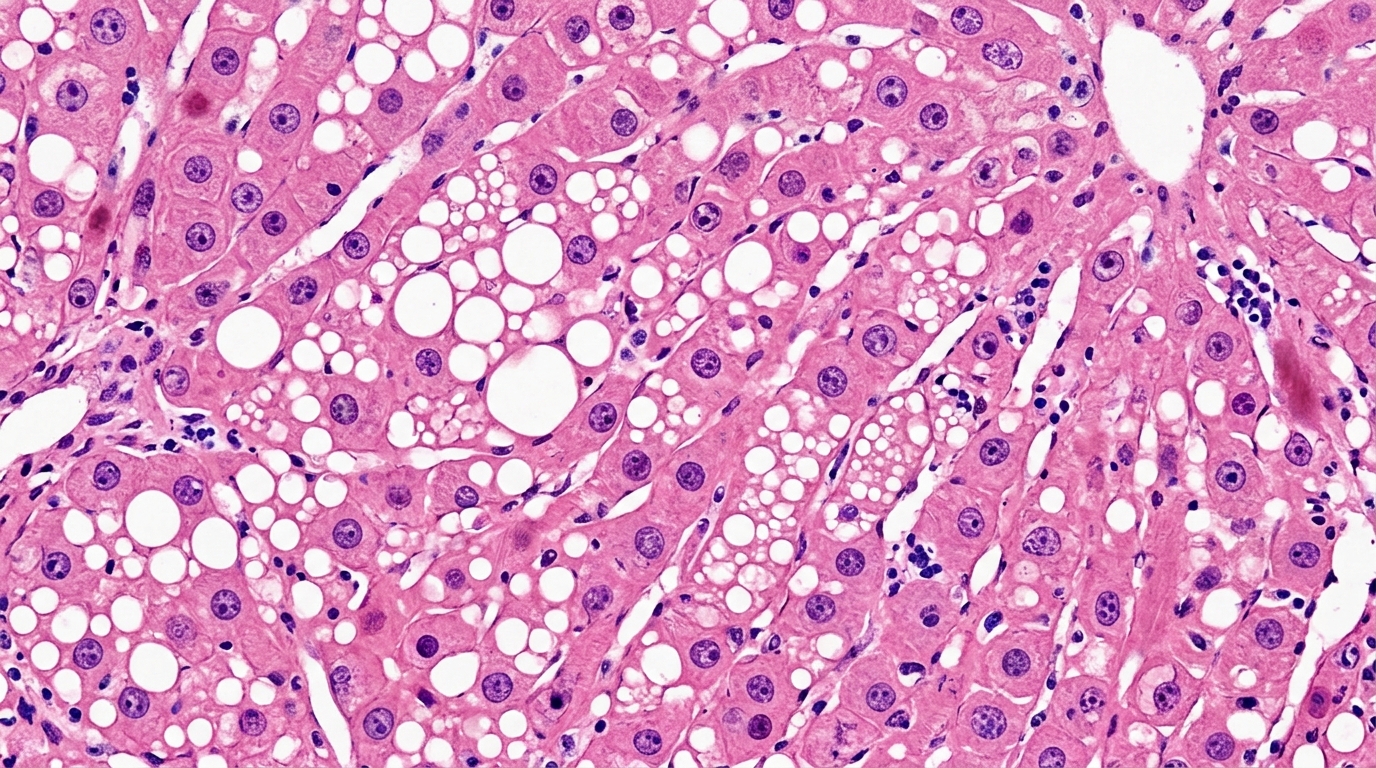
The review organizes this process into three distinct, mechanism-based phases. The first phase, characterized by lipid accumulation and early metabolic stress, is associated with simple steatosis, or MASL. During this stage, the body attempts to compensate for metabolic stress through the induction of fibroblast growth factor 21 (FGF21). However, this compensatory induction of FGF21 is coupled with target-tissue hyporesponsiveness.
As the disease advances to the second phase, marked by inflammation and fibrosis, the review describes a process of inflammatory and pro-fibrotic hijacking. This stage corresponds to metabolic dysfunction-associated steatohepatitis (MASH), fibrosis, and potentially cirrhosis. A key feature of this phase is disrupted hepatic spatial zonation. The review highlights that inflammatory amplification is mediated by specific hepatokines, including leukocyte cell-derived chemotaxin 2 (LECT2) and follistatin (FST). Furthermore, this phase involves a transforming growth factor-beta 1 (TGF-β1)-centered pro-fibrotic signaling cascade.
The third and most advanced phase is described as tumor-stage functional inversion, which is associated with the development of hepatocellular carcinoma (HCC). In this context, the review notes a context-dependent functional reversal of certain mediators. For example, LECT2, which is involved in inflammatory amplification during the fibrotic stage, may acquire tumor-suppressive roles in the tumor stage. Conversely, FGF21, which is traditionally viewed as a protective factor, may undergo immune and metabolic rewiring that alters its function. This inversion suggests that the biological role of a specific hepatokine is not fixed but depends heavily on the pathological stage of the liver disease.
The authors emphasize that this dynamic, signaling-oriented framework provides a mechanistic basis for interpreting the progression of MASLD. By moving away from the static view of hepatokines, the review underscores the limitations of conventional therapeutic strategies that focus on single targets.
Consequently, the review concludes that future interventions must shift from isolated target suppression toward stage-specific restoration of hepatokine network homeostasis. This implies that effective treatments for MASLD and its complications may need to be tailored to the specific phase of disease progression. The functional reprogramming model thus offers a roadmap for developing more precise, stage-dependent therapeutic approaches.
It was published in Cell & Bioscience and is available as an open access article. The review highlights the complexity of liver-centered interorgan crosstalk and the need for a more nuanced understanding of how signaling networks adapt to pathological stress. By detailing the specific shifts in FGF21, LECT2, FST, and TGF-β1, the article provides a detailed account of the molecular landscape of MASLD progression.
Subject of Research: Dynamic signaling shifts in the hepatokine network during MASLD progression
Article Title: Functional reprogramming of the hepatokine network: dynamic signaling shifts driving MASLD disease progression
Article References: Zhao, S., Li, C., Yang, X., Zheng, J., Zhao, Y., Wei, J., Luo, Y., Xiao, T., Liu, K., Shang, H., Xu, J., & Wang, B. (2026). Functional reprogramming of the hepatokine network: dynamic signaling shifts driving MASLD disease progression. Cell & Bioscience. https://doi.org/10.1186/s13578-026-01645-5
Image Credits: AI Generated
DOI: 10.1186/s13578-026-01645-5
Keywords: MASLD, Hepatokines, Liver Disease, FGF21, TGF-beta1, Fibrosis, Hepatocellular Carcinoma, Metabolic Dysfunction, Signaling Pathways, Cell & Bioscience, Functional, reprogramming
News Source: Drew Townsend. (November 8, 2026). Hepatokine Network Shifts Drive MASLD Progression. Scienmag.