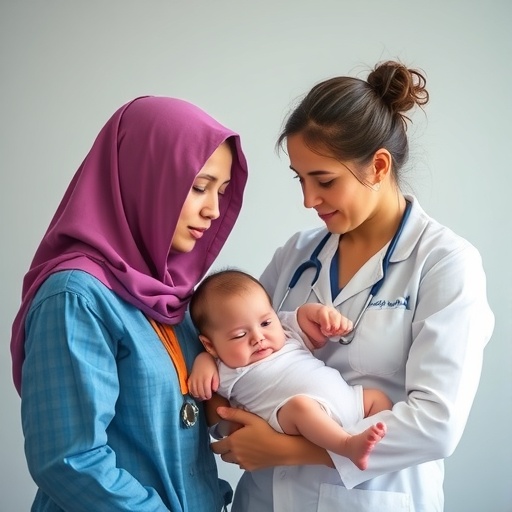
In the realm of maternal health, perinatal anxiety is increasingly recognized as a critical concern, yet it remains an under-discussed topic among healthcare professionals and support systems. A recent qualitative investigation led by Hutton, Delicate, and Moran has shone a light on this significant aspect of care, aiming to uncover the nuanced barriers and facilitators affecting the management of perinatal anxiety. This comprehensive study delves deep into the perspectives of healthcare providers, thereby advancing the dialogue surrounding perinatal mental health.
The research highlights that while awareness of perinatal anxiety is rising, various barriers persist within the healthcare system. One of the primary obstacles identified by professionals is the inadequate training regarding mental health issues during perinatal periods. This lack of specific education leaves healthcare providers feeling unprepared to recognize symptoms and offer appropriate interventions to expecting and new mothers who may be struggling. The study emphasizes the necessity of incorporating comprehensive mental health training into standard medical education to better equip healthcare professionals.
Moreover, many healthcare professionals expressed concerns over the stigma attached to mental health issues, which can significantly hinder comprehensive care. The fear of judgment or misunderstanding from colleagues and even patients themselves can result in reluctance to address mental health openly. The research calls for a cultural shift within medical environments, where mental health is treated with the same priority as physical health. Creating an open dialogue could not only encourage practitioners to address these issues but also foster a supportive atmosphere for patients seeking help.
Another barrier reported in the study is the limited access to mental health resources for mothers during the perinatal period. Many healthcare professionals noted that referral pathways for mental health services are often unclear or simply unavailable, leaving patients without the support they may desperately need. This lack of resources can exacerbate anxiety levels in perinatal women, making it imperative that healthcare systems work to establish robust referral networks that ensure patients can easily access mental health services.
On the other hand, the research also points out several facilitators that can enhance the quality of care for perinatal anxiety. For instance, multidisciplinary approaches that include mental health specialists in maternal healthcare settings have proven effective in identifying and managing anxiety. Professionals shared their experiences of collaborations with psychologists and psychiatrists, leading to better treatment outcomes. This integrated approach not only improves patient outcomes but also empowers healthcare practitioners, enhancing their confidence in managing perinatal mental health issues.
Equally important is the role of patient education in optimizing care. When healthcare providers disseminate information regarding potential signs of perinatal anxiety, it enables patients to recognize symptoms in themselves and seek help sooner. The study reinforces the concept that informed patients are more likely to engage proactively in their care, leading to enhanced mental health outcomes. Therefore, equipping patients with the right knowledge should be a central component of perinatal care protocols.
Despite the identified barriers, there exists a strong will among healthcare professionals to improve care for perinatal anxiety. Many practitioners voiced a desire for more structured guidelines that can aid in the early identification and management of anxiety disorders. The researchers advocate for developing clinical practice guidelines informed by the findings of this study, which could serve as essential tools for healthcare providers to follow.
The impact of perinatal anxiety is far-reaching, influencing not only the mental health of mothers but also the development of their children. As maternal mental health has been linked to various developmental outcomes, addressing perinatal anxiety is critical for fostering a healthy environment for both mother and child. Healthcare professionals highlighted the need for ongoing education and access to mental health resources, which would ultimately create a more supportive framework for new mothers.
Furthermore, healthcare systems are encouraged to prioritize mental health parity in their policies, ensuring that mental health services are accessible on par with physical health services. The researchers argue that systemic changes are crucial to bridge the existing gaps in care, facilitating a comprehensive approach that encompasses both mental and physical health. Establishing policies that support mental health accessibility within perinatal care frameworks could dramatically improve outcomes for mothers experiencing anxiety.
Ultimately, the findings from this qualitative investigation provide a compelling narrative that underscores the necessity of addressing perinatal anxiety through multifaceted approaches. By amplifying the voices of healthcare providers, the research opens the door for meaningful discussions surrounding the optimization of care practices. The call for an interdisciplinary framework, an emphasis on training, and broader access to mental health services encapsulates a roadmap towards improved maternal healthcare.
In conclusion, the ongoing exploration of perinatal anxiety illustrates the critical intersections of mental health and maternal care. By prioritizing education, patient engagement, and multidisciplinary collaboration, healthcare systems can pave the way for significant advancements in the management and understanding of perinatal anxiety. This comprehensive approach not only supports mothers in their mental health journey but contributes to the wellbeing of future generations, ensuring a healthier start for both mother and child.
The investigation by Hutton, Delicate, and Moran serves as a clarion call to healthcare professionals to embrace change, challenge stigmas, and ultimately enhance the care provided to women navigating the complexities of perinatal anxiety. As the dialogue continues, the hope lies in creating a world where mental health is treated with dignity, respect, and urgency, particularly during the transformative period of bringing new life into the world.
Subject of Research: Perinatal anxiety and its management in healthcare systems.
Article Title: Healthcare professionals’ views on barriers, facilitators and optimisation of care for perinatal anxiety: a qualitative investigation.
Article References:
Hutton, U., Delicate, A., Moran, P.M. et al. Healthcare professionals’ views on barriers, facilitators and optimisation of care for perinatal anxiety: a qualitative investigation. BMC Health Serv Res (2026). https://doi.org/10.1186/s12913-025-13930-z
Image Credits: AI Generated
DOI:
Keywords: Perinatal anxiety, healthcare professionals, barriers, facilitators, mental health, maternal health, qualitative research.
Tags: barriers to perinatal mental healthhealthcare provider perspectivesimproving anxiety managementintervention strategies for new mothersmaternal health concernsmaternal mental health trainingmental health education in medicineperinatal anxiety carequalitative research on perinatal anxietyrecognizing mental health symptomsstigma in healthcaresupport for expecting mothers