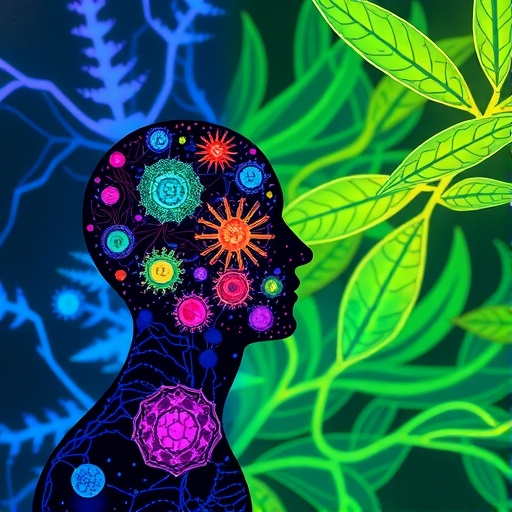
Recent research into the intersection of psychedelics and health behavior has ignited a conversation that transcends traditional academic boundaries, inviting clinicians and practitioners to weigh in on profound questions about consciousness, healing, and the mental health landscape. As a field that straddles the line between psychology, neurochemistry, and social science, it poses intriguing questions about how psychedelic experiences can influence health-related behaviors. Research like that conducted by Carvalho and colleagues sheds light on these myriad perceptions among practitioners and positions psychedelics as a tool for change.
The study revolves around the diverse viewpoints of practitioners who work with individuals that have undergone psychedelic experiences. The findings are not only illuminating but also pivotal in guiding how alternative treatments are integrated into therapeutic settings. Practitioners report that psychedelics can facilitate significant shifts in perspective, allowing users to confront and process underlying psychological issues that contribute to maladaptive behaviors.
At the core of this ongoing investigation lies the understanding of psychedelics’ physiological and psychological effects. Substances like psilocybin and MDMA are noted for altering brain activity patterns, particularly within the default mode network, known to be involved in self-referential thoughts. With this alteration in neural connectivity, users report experiencing a sense of detachment from their usual cognitive frameworks, often resulting in an altered perception of self and reality. The subsequent revelations can lead to newfound motivation towards healthier lifestyles, be it through diet, exercise, or pursuing emotional connections.
What makes this study particularly captivating is its focus on practitioners’ experiences rather than the subjective self-reports of users. By gathering qualitative data from clinicians, the research provides a unique angle that highlights the therapeutic potential seen by professionals in guided psychedelic sessions. Many practitioners believe that these experiences can catalyze lasting changes, promoting behaviors that might not have been possible without such profound insights.
Reportedly, the practitioners in the study emphasized the importance of setting and mindset—two vital components of the psychedelic experience. The environment in which these substances are consumed can significantly influence the overall experience, acting as either a facilitator or a barrier to personal breakthroughs. This finding is crucial as it informs future protocols on safe and responsible use of psychedelics in clinical settings.
As the research suggests, the influence of psychedelics extends beyond the immediate euphoric experiences often depicted in pop culture. Practitioners noted observable patterns among their patients post-experience; many reported decreased addiction-related behaviors and improvements in mental health, particularly in managing anxiety and depression. These revelations signal a potential paradigm shift in how mental health conditions are treated and understood.
The convergence of these insights raises critical questions about the existing stigma surrounding psychedelic substances. For years, they have been sidelined in the discourse surrounding legitimate therapeutic options. However, as studies like Carvalho et al.’s continue to emerge, legitimizing their potential benefits, they may pave the way for policy reforms and a re-evaluation of existing regulations on these substances.
Beyond the clinical implications, there is extensive public interest in the personal narratives surrounding psychedelic experiences. Users frequently report significant personal insights and feelings of connectedness not just to themselves but also to the universe at large. As these narratives circulate, they raise awareness and curiosity about psychedelics’ broader cultural implications and their potential role in personal transformation.
Moreover, practitioners involved in the study voiced their ambivalence about the commercialization of psychedelics. On one hand, the potential for innovative therapies that can treat chronic mental health conditions is promising; on the other, there exists the fear of commodification diluting the sacred nature attributed to these substances in various spiritual traditions. Balancing these perspectives could prove essential in how society approaches the future of psychedelic medicine.
Crucially, the dynamics of community support following psychedelic experiences also emerged as an important theme in the study. Practitioners reported that many users sought out communal environments to integrate their experiences, connecting with others who share similar journeys. This sense of community often became an integral part of their healing process, prompting further research into social dynamics following psychedelic experiences.
As the findings from Carvalho’s study suggest, the journey into understanding the intricacies of psychedelic therapy is just beginning. Upcoming regulatory changes and broader acceptance may pave the way for comprehensive studies that address billing, ethical considerations, and clinical best practices. For researchers, this means that the scientific inquiry into psychedelics is still ripe with possibilities, expanding beyond individualistic study to encompass societal implications.
The implications of integrating psychedelics into mainstream healthcare could revolutionize mental health treatment. While challenges remain—from legal barriers to the need for clinical training for practitioners—there is a palpable sense of hope among those advocating for progressive shifts in therapeutic practices. Ultimately, this could lead to a future where psychedelic therapy becomes a standard part of treating complex mental health issues, reshaping our understanding of human consciousness and healing.
Reflecting on the potential societal shifts led by the advent of psychedelic therapy, there’s burgeoning excitement about the future trajectory of mental health treatment. If embraced thoughtfully, these altered states of consciousness could not only facilitate healing on a personal level but also contribute to broader societal transformations in how mental well-being is perceived and prioritized.
Navigating through the current landscape, where science, spirituality, and mental health intersect, the role of psychedelics in healing becomes more than just experimental. It stands at the forefront of a new movement towards holistic and integrative approaches to health—a movement that can potentially redefine societal norms surrounding wellness and self-exploration.
With practitioners leading the charge, the conversation surrounding psychedelics and health behavior is set to continue evolving. As evidence mounts and cultural attitudes shift, we may be witnessing the dawn of a new age in mental health care, one where recovery can be pursued through the deeply transformative avenues that psychedelics offer.
Subject of Research: Practitioners’ perceptions of health behavior changes associated with psychedelic experiences
Article Title: Correction: Exploring practitioners’ perceptions of health behavior changes associated with psychedelic experiences
Article References:
Carvalho, L.C., Encantado, J., van Elk, M. et al. Correction: Exploring practitioners’ perceptions of health behavior changes associated with psychedelic experiences.
Sci Rep 15, 44731 (2025). https://doi.org/10.1038/s41598-025-33296-w
Image Credits: AI Generated
DOI: 10.1038/s41598-025-33296-w
Keywords: Psychedelics, mental health, therapy, behavior change, practitioners, qualitative research, consciousness.
Tags: alternative mental health treatmentsconsciousness explorationhealth behavior modificationintegration of psychedelics in therapyMDMA and psychological healingmental health treatment innovationsneurochemistry of psychedelicspractitioner perspectives on psychedelicspsilocybin effects on behaviorpsychedelic therapyshifts in self-perception through psychedelicstherapeutic use of psychedelics