A comprehensive review published in Genes & Nutrition examines the complex relationship between the gut microbiome and cancer cachexia, a debilitating syndrome affecting up to 80% of patients with pancreatic cancer and 40% of those with gastric or esophageal cancers. The study, led by Colleen K. Ardis, Thi Phuong Nam Bui, and Max Nieuwdorp, synthesizes recent evidence suggesting that alterations in gut microbial communities contribute to the development and progression of cachexia through mechanisms involving immune activation, impaired gut barrier function, and disrupted metabolic signaling. The review highlights that while effective treatments for cancer cachexia remain limited, the gut microbiota represents a promising frontier for novel therapeutic interventions.
Cancer cachexia is characterized by systemic inflammation, progressive weight loss, and muscle wasting, which negatively impact quality of life, treatment response, and survival. The pathophysiology is driven by a chronic inflammatory response fueled by pro-inflammatory cytokines such as TNF-α, IL-6, and IL-1, released by both tumor and host cells. These cytokines lead to increased muscle protein degradation and decreased appetite, creating a catabolic state that is exacerbated by tumor metabolism and the body’s response to cancer. The resulting tissue loss leads to functional impairment, reduced physical function, and a significantly shorter survival time compared to patients without cachexia.
The review details how dysbiosis, an imbalance in the gut microbial community, disrupts host metabolic homeostasis. This disruption leads to altered energy balance, impaired nutrient absorption, and inflammation, all of which are hallmarks of cancer cachexia. Specific bacterial strains play distinct roles in this process; for instance, decreased levels of Odoribacter splanchnicus and Gemmiger formicilis were associated with gut barrier dysfunction and body weight loss in acute myeloid leukemia patients undergoing chemotherapy. Conversely, increased levels of Fusobacterium nucleatum are associated with cachexia in colorectal cancer, particularly in patients with advanced disease.
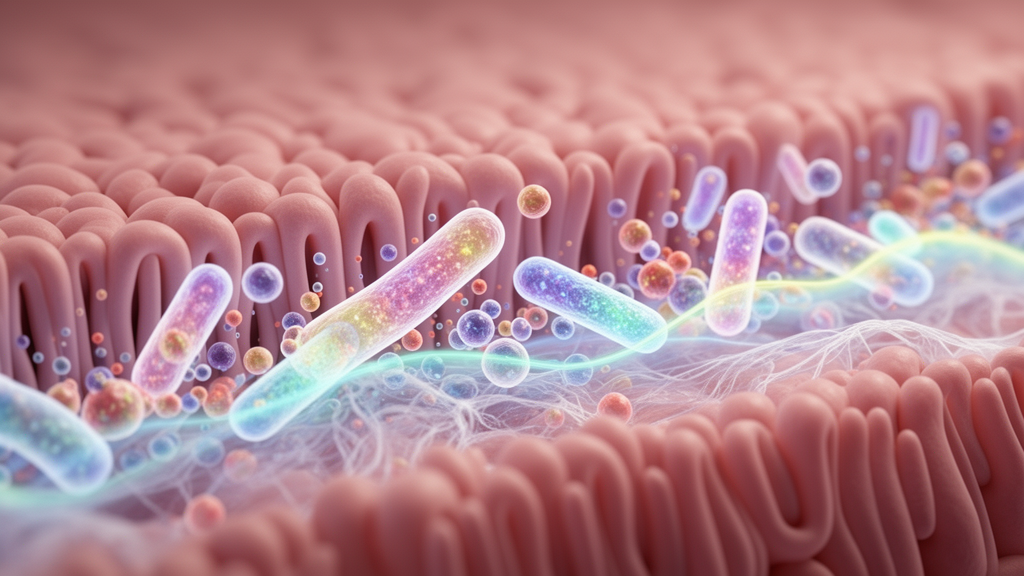
Short-chain fatty acids (SCFAs), particularly butyrate, acetate, and propionate, are critical metabolites derived from gut microbial fermentation of dietary fibers. These compounds play a key role in preserving intestinal barrier integrity, regulating inflammation, and modulating muscle metabolism. Butyrate, produced by bacteria such as Faecalibacterium and Ruminococcus, has been shown to impede muscle atrophy by modulating the Akt/mTOR/Foxo3a signaling pathway. Reduced levels of butyrate-producing bacteria, such as Roseburia and Butyricicoccus, correlate with lower butyrate levels in individuals and mice with cachexia, weakening the intestinal barrier and increasing gut permeability.
Gut barrier dysfunction is a hallmark of cancer cachexia, resulting from microbiota dysbiosis and increased intestinal permeability. This “leaky gut” state allows the translocation of pro-inflammatory substances like lipopolysaccharides (LPS) into the bloodstream, further driving systemic inflammation and muscle wasting. The review notes that while these mechanisms are well-documented in mouse models, the “leaky gut” state in humans is less validated due to a lack of proper reproducible diagnostic methods. However, cachectic cancer patients do exhibit altered gut microbiome composition and increased fecal calprotectin, a marker of intestinal inflammation.
Current cancer treatments, including chemotherapy and immune checkpoint inhibitors, significantly impact the gut microbiome. Chemotherapy can induce systemic dysbiosis, characterized by reduced microbial diversity and an overgrowth of opportunistic pathogens like Klebsiella oxytoca. This dysbiosis impairs drug metabolism and can increase toxicity, while also disrupting gut-brain signaling and exacerbating anorexia. Immune checkpoint inhibitors, such as anti-PD-1 and anti-PD-L1 therapies, are also influenced by gut microbiome composition, with specific bacterial species associated with favorable responses or heightened risk of immune-related adverse events like colitis.
The review evaluates emerging microbiota-targeted strategies, including traditional and next-generation probiotics and fecal microbiota transplantation (FMT). Preclinical studies have shown that probiotics like Lactobacillus reuteri can reduce cancer-induced inflammation and preserve lean body mass in tumor-bearing mice. Synbiotic interventions, combining probiotics and prebiotics, have also shown promise in improving survival and reducing muscle wasting in mouse models of leukemia-associated cachexia. However, clinical research on probiotics in cancer cachexia remains extremely limited, with only one identified study investigating a multi-ingredient supplement in head and neck cancer patients.
Fecal microbiota transplantation involves transferring fecal material from a healthy donor to a recipient to restore a balanced gut microbiota. While FMT has been proven effective for treating recurrent Clostridioides difficile infections, its application in cancer cachexia remains underexplored. A randomized, double-blind, placebo-controlled phase II trial by de Clercq et al. (2021) found that while FMT did not significantly improve cachexia symptoms or caloric intake, it was associated with better disease control rates and improved overall survival in patients with advanced gastroesophageal cancer. Another 2022 study by Hu et al. found that FMT combined with standard nutritional therapy significantly improved nutritional status and quality of life in advanced cancer patients.
Next-generation probiotics (NGPs) represent a rapidly evolving frontier in microbiome-based therapeutics. Unlike traditional probiotics, NGPs are composed of engineered or gut-derived commensal microbes designed to carry out specific functions relevant to disease mechanisms. For example, a study reported that an engineered strain of Lactobacillus rhamnosus producing 3-hydroxybutyrate improved survival and reduced tumor growth in a mouse model of colon cancer cachexia. These advanced microbes offer a compelling opportunity for targeted intervention, although a deeper understanding of the condition’s underlying biological mechanisms is required to fully harness their therapeutic potential.
The review concludes that while the literature remains inconclusive due to variability in study designs and analysis techniques, targeting the gut microbiome for therapeutic purposes in cachexia is gaining momentum. Most current findings are largely correlative, with limited mechanistic evidence directly linking specific microbial taxa or metabolites to host metabolic pathways driving cachexia. Future research must prioritize large-scale, well-controlled studies across multiple medical centers, incorporating comprehensive microbial profiling, including metagenomics and metabolomics, to identify gut microbiome strains and metabolic traits linked to cachectic phenotypes.
Understanding the interplay between the gut microbiome and cancer cachexia is critical for developing effective interventions. The review emphasizes that a multidisciplinary approach combining microbiology, oncology, metabolism, and nutrition will be essential to fully realize the therapeutic potential of microbiome-based therapies. By identifying and targeting microbiota-derived metabolites and components, researchers may develop more effective, personalized interventions to improve cancer cachexia patient care and overall quality of life.
The review also examines the molecular and metabolic pathways that connect gut microbial activity to systemic host responses. A key mechanism involves the activation of the G-protein-coupled receptor 81 by lactate, a byproduct of tumor metabolism, which can drive the development of cancer cachexia. Elevated systemic levels of inflammatory cytokines, including IL-6, IL-1, and TNF-α, correlate with tumor progression and contribute to increased skeletal muscle protein degradation. Recent evidence indicates that IL-6 not only contributes to peripheral wasting but also directly impacts brain function. Elevated IL-6 can cross the blood-brain barrier and activate a specialized brainstem-to-basal ganglia circuit, suppressing mesolimbic dopamine signaling. This neural pathway leads to heightened effort sensitivity and apathy, which are key features of the cachectic phenotype, linking peripheral inflammation to behavioral symptoms.
Genetic and epigenetic factors further complicate the metabolic dysregulation seen in cancer cachexia. The AMP-activated protein kinase pathway, a central regulator of cellular energy homeostasis, is sensitive to nutrient availability and plays a role in coordinating metabolic responses. Dysregulation of this pathway may exacerbate the catabolic state, while its activation could potentially enhance insulin sensitivity and nutrient utilization. Genetic variations affecting AMPK activity may influence an individual’s susceptibility to developing cachexia. Additionally, microRNAs, small non-coding RNAs that regulate gene expression, have emerged as important players in the condition. For instance, miR-21, frequently upregulated in various cancers, has been implicated in promoting muscle wasting by targeting genes involved in muscle protein synthesis. Other microRNAs, such as miR-17 and miR-27b, influence muscle regeneration and mass maintenance by regulating specific growth inhibitors, adding another layer of complexity to the genetic landscape of the syndrome.
Postprandial metabolic responses are significantly disrupted in patients with cancer cachexia, impairing the body’s ability to efficiently utilize and store nutrients. Normally, eating stimulates muscle protein synthesis and reduces breakdown, but in cachexia, this response is blunted, leading to a state of anabolic resistance where patients cannot effectively use dietary protein to build muscle. This is compounded by blunted insulin responses and altered lipid metabolism. The Cori cycle, where lactate produced by tumors is converted to glucose in the liver, is upregulated, contributing to hypermetabolism and glucose intolerance. Furthermore, lipolysis is markedly increased, depleting adipose tissue and exacerbating the energy imbalance. The released fatty acids promote insulin resistance, compounding disruptions in postprandial metabolism and contributing to the progressive weight loss observed in these patients.
Microbial metabolites beyond short-chain fatty acids also play a critical role in immune modulation and host resilience. Tryptophan-derived microbial metabolites, such as indole-3-acetic acid and indole-3-lactic acid, are key regulators of anti-tumor immunity. Indole-3-acetic acid has been shown to help restore gut integrity and reduce systemic inflammation, while indole-3-lactic acid enhances epithelial repair and suppresses pro-inflammatory cytokines. These effects may lead to reduced gut permeability and lower muscle catabolism. Polyamines, including spermine and spermidine, are small organic compounds produced by certain gut microbes from amino acids. They demonstrate protective effects on muscle mass and function and possess strong anti-inflammatory properties, making them compelling candidates for further study as potential cachexia therapeutics. These findings point toward strategies that boost levels of beneficial metabolites or deliver them directly to counter the effects of cancer cachexia.
Subject of Research: Gut microbiota in cancer cachexia: a new frontier for research and therapy
Article Title: Gut microbiota in cancer cachexia: a new frontier for research and therapy
Article References: Ardis, C. K., Bui, T. P. N., & Nieuwdorp, M. (2025). Gut microbiota in cancer cachexia: a new frontier for research and therapy. Genes & Nutrition, 20(1), Article 28. https://doi.org/10.1186/s12263-025-00791-8
Image Credits: AI Generated
DOI: 10.1186/s12263-025-00791-8
Keywords: microbiota, cancer, cachexia, frontier, research, therapy, scientific research
News Source: Nathaniel Bowman. (November 10, 2026). Gut Microbiome Alterations Linked to Cancer Cachexia Progression. Scienmag.