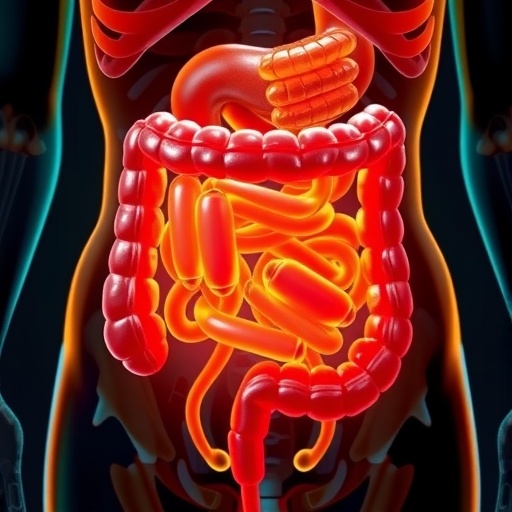
In a groundbreaking study set to transform our understanding of gut microbiota and its profound systemic effects, researchers have unveiled that the gut methanotroph Methylocystis intestini plays a pivotal role in regulating intestinal peristalsis and fat metabolism through the reduction of methane levels. This discovery, recently published in Nature Communications, sheds new light on the complex interactions between microbial communities and host physiology, offering promising avenues for therapeutic interventions targeting metabolic disorders.
The human gastrointestinal tract harbors an incredibly diverse ecosystem of microorganisms, collectively referred to as the gut microbiota. Traditionally, much attention has been given to bacterial species, but emerging evidence highlights the significance of archaea and other less-studied microbial taxa in maintaining gut homeostasis. Among these, methane-producing archaea have attracted interest due to their association with gastrointestinal motility and metabolic syndromes. However, the discovery of a methanotrophic bacterium such as Methylocystis intestini, capable of oxidizing methane within the gut environment, challenges preconceived notions and introduces an additional layer of metabolic regulation.
Methane, a potent greenhouse gas, is also an important metabolic byproduct of certain gut microorganisms known as methanogens. Elevated methane production in the intestine has been linked to altered gut motility, often manifesting as constipation-predominant gastrointestinal disorders. This study has demonstrated that Methylocystis intestini actively consumes methane within the intestinal milieu, thereby modulating the local concentration of this gas. The consequent reduction in methane levels has a direct impact on the smooth muscle contractions responsible for peristalsis, effectively normalizing intestinal transit times.
Utilizing advanced metagenomic sequencing and metabolomic profiling, the research team mapped the presence and activity of Methylocystis intestini in murine models and human samples. Their data confirmed that this methanotroph not only thrives in the gut environment but also engages in cross-talk with the host epithelium. The mechanisms by which Methylocystis intestini influences peristaltic activity were dissected using electrophysiological assays, revealing adjustments in enteric nervous system signaling attributed to shifts in methane dynamics.
Beyond its role in motility, Methylocystis intestini exerts a remarkable influence on host metabolism, particularly fat metabolism. By mitigating methane accumulation, this bacterium indirectly modulates pathways involved in lipid absorption and storage. The research highlighted alterations in key metabolic regulators such as AMP-activated protein kinase (AMPK) and peroxisome proliferator-activated receptor gamma (PPARγ), which are crucial in energy homeostasis and adipogenesis. These findings suggest that the gut methanotroph contributes to maintaining a metabolic equilibrium that prevents excessive fat accumulation and associated metabolic dysfunction.
The study further elucidated the biochemical pathways leveraged by Methylocystis intestini to oxidize methane, involving methane monooxygenase enzymes that convert methane into methanol, subsequently integrated into the bacterial carbon metabolism. This biochemical competence enables Methylocystis intestini not only to detoxify the gut environment from excess methane but also to derive energy that sustains its proliferation, fostering a stable mutualistic relationship with the host.
Significantly, the presence and activity of Methylocystis intestini vary among individuals, correlating inversely with indicators of metabolic disorders such as obesity and insulin resistance. This correlation points toward potential diagnostic biomarkers and tailored microbial therapies aimed at restoring a healthy balance of gut methanotrophs to combat metabolic syndromes. The researchers propose that augmenting Methylocystis intestini populations could become a novel probiotic strategy.
The implications of this discovery extend far beyond metabolic regulation. By fine-tuning intestinal peristalsis, Methylocystis intestini may contribute to alleviating symptoms of functional gastrointestinal disorders, including irritable bowel syndrome (IBS). This could revolutionize current treatments, which largely rely on symptomatic management rather than addressing root microbial causes.
In addition, methane’s role as a gasotransmitter and signaling molecule is being reconsidered in light of these findings. The modulation of methane levels by Methylocystis intestini introduces new dimensions to gut-brain axis research, potentially linking microbial methane metabolism to neurological and psychological health. Ongoing studies are probing whether methane dynamics influence mood, anxiety, and cognitive functions through enteric nervous system and vagal nerve pathways.
The methodology employed in this study deserves particular mention for its integrative approach combining state-of-the-art molecular biology techniques, in vivo animal models, and clinical sampling. High-resolution mass spectrometry coupled with gas chromatography allowed precise quantification of methane fluxes, while RNA sequencing unveiled gene expression changes in both microbiota and host tissues under varying methane conditions.
Furthermore, the researchers developed innovative microfluidic gut-on-a-chip platforms that simulate the intestinal environment, allowing controlled experimentation on Methylocystis intestini interactions with epithelial cells. These platforms enabled the dissection of cellular responses to methane reduction at unprecedented detail, confirming the activation of signaling cascades implicated in motility and metabolic regulation.
The discovery of Methylocystis intestini as a key player in gut methane metabolism opens exciting possibilities for pharmaceutical development. Targeting methanotroph activity can pave the way for novel drugs that modulate intestinal gas profiles, improving digestive health and metabolic outcomes. Such therapeutics might complement existing treatments for obesity, diabetes, and constipation-related disorders, offering more precision and fewer side effects.
Notably, the ecological balance between methanogens and methanotrophs in the gut is a delicate one, requiring further elucidation. The study highlights the importance of microbial diversity and functional redundancy in maintaining a resilient gut ecosystem. Disruption of this balance, through diet, antibiotics, or disease, could exacerbate metabolic and motility problems, underscoring the need for holistic interventions targeting entire microbial consortia.
Looking ahead, the implications of methane modulation by gut microbes extend to environmental and evolutionary biology. Understanding how human-associated methanotrophs influence systemic physiology might provide insights into host-microbe coevolution and adaptation. Additionally, these findings could inform agricultural practices aimed at reducing methane emissions via microbial manipulation in livestock, with benefits for climate change mitigation.
In summary, the identification and characterization of Methylocystis intestini as a gut methanotroph with significant impacts on intestinal peristalsis and fat metabolism represent a seminal advancement in microbiome research. This work challenges established paradigms of gut gas metabolism and highlights novel interkingdom interactions that can be harnessed for health improvements. As research progresses, therapeutic strategies based on this knowledge could transform the management of metabolic and gastrointestinal diseases worldwide.
Subject of Research: Gut microbiota, methanotroph bacteria, intestinal motility, fat metabolism, methane regulation
Article Title: The gut methanotroph Methylocystis intestini modulates intestinal peristalsis and fat metabolism via reducing methane levels
Article References:
Zhao, Y., Chen, H., Huang, J. et al. The gut methanotroph Methylocystis intestini modulates intestinal peristalsis and fat metabolism via reducing methane levels. Nat Commun (2025). https://doi.org/10.1038/s41467-025-66596-w
Image Credits: AI Generated
Tags: fat metabolism in gutgastrointestinal motility disordersgut homeostasis mechanismsgut microbiota regulationintestinal peristalsis controlmetabolic syndrome and gut healthmethane reduction effectsmethane-producing archaeamethanotrophic bacteria significanceMethylocystis intestini functionmicrobial community interactionstherapeutic interventions for metabolic disorders