Genomic Insights into Childhood Psychiatric Disorders: A Revolutionary Perspective from Dr. Cathy Barr
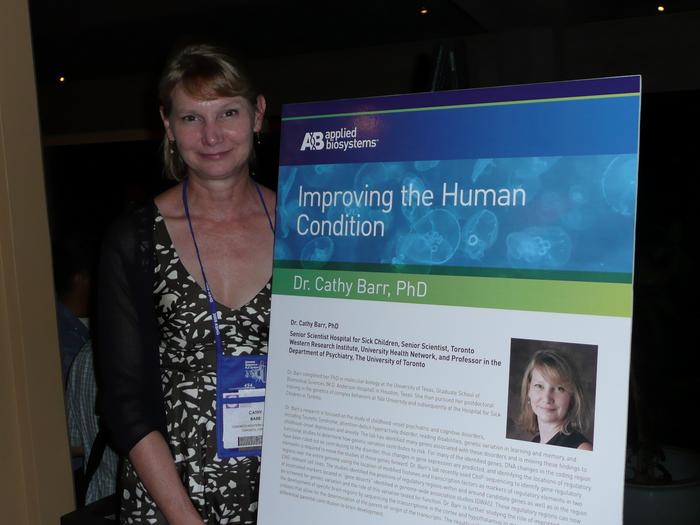
In the rapidly evolving field of genetics and psychiatric research, Dr. Cathy Barr stands out as a leading figure whose work has the potential to reshape our understanding of childhood psychiatric disorders. As a Senior Scientist at the Hospital for Sick Children in Toronto and Krembil Research Institute, Dr. Barr’s extensive research dives deep into the genetic underpinnings of conditions that disproportionately affect children, including depression, attention-deficit/hyperactivity disorder (ADHD), reading disabilities, and Tourette syndrome. Her groundbreaking discoveries are paving the way for novel therapeutic approaches that may fundamentally change the treatment landscape.
Dr. Barr describes a major turning point in psychiatric genetics, referring to the abundance of identified genetic risk factors as a double-edged sword. “While we are excited about the sheer number of risk genes now detected, the daunting task lies in comprehending how these genetic variations influence gene expression and cellular function,” she says. This intricate challenge is at the heart of her comprehensive research. Utilizing innovative molecular techniques, her team is examining how these variations can modify neural cell functions, thereby shedding light on the complex biological mechanisms underlying behavioral and psychiatric disorders in children.
Dr. Barr’s fascination with genetics began in a rather unconventional way—during her high school years. A presentation by a medical resident discussing a genetic ailment ignited her passion for understanding the genetic basis of diseases. This pivotal moment laid the groundwork for her relentless pursuit of knowledge in genomics, eventually culminating in a career dedicated to researching the intersection of genetics and neurodevelopmental disorders. This personal narrative showcases how one encounter can significantly impact the trajectory of a scientific career, confirming the importance of early exposure to complex subjects like genetics.
The implications of Dr. Barr’s research extend beyond academic curiosity; they hold the potential to directly influence clinical practices. For instance, her investigations into the genetic factors contributing to a heightened risk of depression among children with neurodevelopmental disorders reveal a critical link that could inform preventive strategies and tailored therapies. Dr. Barr postulates that understanding these genetic connections may lead to identifying children at risk before symptoms manifest, allowing for early interventions that could drastically improve outcomes.
Utilizing cutting-edge CRISPR technology and stem cell models, Dr. Barr’s team is exploring how specific DNA variations alter the functionality of neural cells. This research is pivotal in understanding not only the etiology of these disorders but also opens the door for potential targeted interventions. The questions her research raises about the relationship between genetic variations and neurodevelopmental outcomes are profound, pushing the boundaries of contemporary psychiatric science. Such insights could facilitate personalized medicine approaches, enabling treatments that are tailored to an individual’s unique genetic makeup.
As Dr. Barr continues this vital work, she emphasizes the importance of reducing the stigma surrounding psychiatric disorders through genetics education. “There is a general misconception that psychiatric disorders are merely a product of environmental factors or personal failure. However, genetics plays a crucial role that cannot be ignored,” she states. Her commitment to translating scientific findings into practical medical applications seeks to illuminate the biological foundations of mental health conditions. This endeavor could lead to a greater societal understanding of psychiatric issues, enhancing empathy and reducing discrimination faced by affected individuals.
The interconnectedness of various neurodevelopmental disorders complicates treatment but also presents opportunities for innovative solutions. Dr. Barr’s research looks at common genetic risk factors shared across different conditions, revealing a landscape where interdisciplinary approaches can thrive. Understanding these connections allows researchers and clinicians to conceptualize comprehensive treatment strategies that address multiple disorders simultaneously, rather than treating them in isolation. This holistic approach to mental health treatment is gaining traction as a more effective means of tackling the multifaceted nature of these disorders.
Dr. Barr emphasizes that her research findings could possibly influence public health policies and initiatives aimed at improving mental health outcomes in children. By uncovering the genetic roots of psychiatric disorders, her work provides essential data that can help shape preventative measures, educational programs, and resource allocation within healthcare systems. Such transformations are crucial, particularly in a time when mental health issues among children and adolescents are on the rise worldwide.
Dr. Barr’s efforts transcend the scientific community, reaching into societal norms and values. Her research advocates for the necessity of integrating genetics into the dialogue about mental health, reinforcing the idea that understanding the biological basis for disorders can reduce stigma. By fostering awareness that these conditions often have a genetic component, society can begin shifting towards a more informed and supportive approach to individuals facing mental health challenges.
The significance of the knowledge generated by Dr. Barr’s research is underscored in their potential to lay foundations for future studies. Each discovery offers a stepping stone for subsequent inquiries and experiments that may yield further insights into the complexities of human biology and behavior. In this light, Dr. Barr’s contributions are not merely academic; they resonate with deeper societal implications that could redefine how future generations view and address mental health issues.
Ultimately, Dr. Cathy Barr’s research represents a vital contribution to the fields of genetics, neuroscience, and psychiatry. Her path from a curious high school student to a leading scientist demonstrates that personal passion, coupled with rigorous scientific inquiry, can lead to meaningful advancements in understanding some of the most pressing health challenges of our time. With every breakthrough, Dr. Barr’s work illuminates the critical interplay of genetics and environment, serving as a beacon of hope for those impacted by childhood psychiatric disorders.
As we stand at the precipice of a new era in genomic research, Dr. Barr’s ongoing contributions promise to enrich our understanding of the interplay between genetics and human behavior, paving the way for interventions that could markedly improve the lives of countless children grappling with mental health challenges.
Subject of Research: Genetics and neurobiology of childhood psychiatric disorders
Article Title: Genomic Insights into Childhood Psychiatric Disorders: A Revolutionary Perspective from Dr. Cathy Barr
News Publication Date: 31-Dec-2024
Web References: Genomic Press, DOI
References: Genomic Psychiatry
Image Credits: Credit: Cathy Barr, PhD
Keywords: genetics, childhood psychiatric disorders, neurodevelopment, CRISPR technology, personalized medicine, mental health, stigma reduction