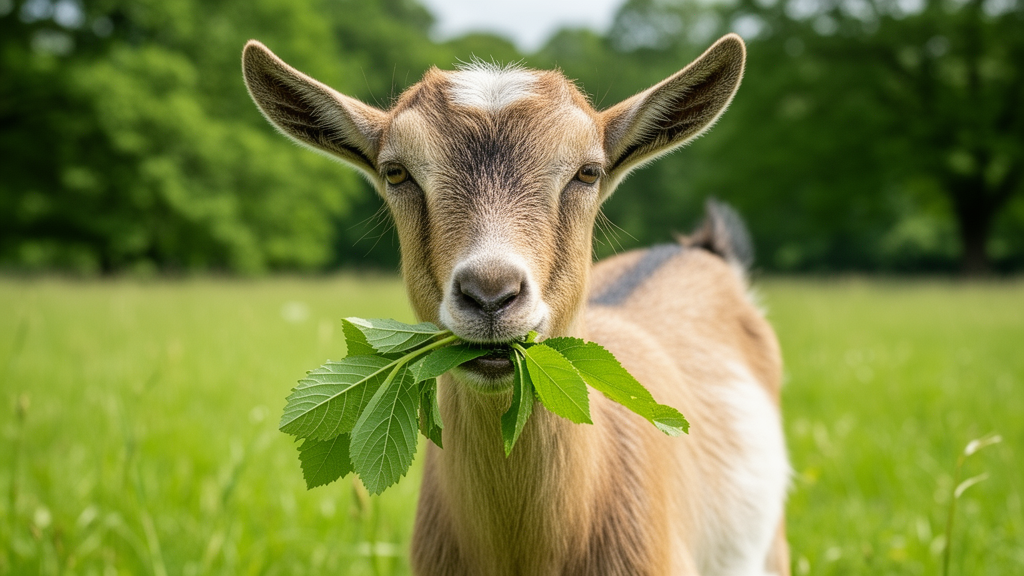
A controlled feeding trial conducted at Bahir Dar University in Ethiopia has demonstrated that supplementing goat diets with dried leaves of the Terminalia brownii tree can significantly reduce enteric methane emissions while simultaneously improving growth performance. The study, published in Veterinary Medicine and Science, evaluated the effects of replacing conventional concentrate mixtures with varying levels of Terminalia brownii leaf meal on twenty-five male goats. The researchers found that the highest inclusion level of the tree leaves resulted in the lowest methane output and the highest average daily weight gain among the experimental groups, suggesting a dual benefit for both animal productivity and environmental sustainability in smallholder farming systems.
The experiment was designed to address the challenge of low-quality roughage feeds, such as natural pastures and crop residues, which are primary feed sources for livestock in Ethiopia but are often deficient in protein and poor in digestibility. These nutritional limitations can compromise animal health and contribute to higher greenhouse gas emissions from ruminant digestive systems. Ruminants lose between 2% and 12% of their consumed energy through methane gas production, a loss that is particularly relevant in tropical regions where natural pastures are the main feed source. The researchers aimed to determine if Terminalia brownii, a native tree of tropical Africa widely available in the lowlands of Ebinat district, could serve as an affordable and sustainable alternative to expensive conventional concentrates.
Terminalia brownii leaves are known to be a good source of protein for livestock, with previous studies reporting crude protein levels ranging from 12.27% to 16.94%. In the current study, the chemical analysis of the experimental feeds confirmed that the Terminalia brownii leaves contained 15.80% crude protein, which was significantly higher than the 7.64% found in the natural pasture hay used as the basal diet. Additionally, the tree leaves exhibited lower levels of neutral detergent fiber, acid detergent fiber, and acid detergent lignin compared to the pasture hay, indicating potentially better digestibility. The concentrate mixture used in the control group consisted of wheat bran, noug seed cake, and maize grain, ingredients that are often costly and less accessible to smallholder farmers in developing countries.
The study utilized a randomized complete block design, grouping the twenty-five one-year-old male goats into five blocks of five based on their initial body weight. Each goat was randomly assigned to one of five dietary treatments, with each treatment replicated five times. The treatments involved replacing 0%, 15%, 30%, 45%, and 60% of the concentrate mixture with Terminalia brownii leaf meal, while all goats received natural pasture hay ad libitum. The goats were fed individually, and each animal served as the experimental unit. This design allowed the researchers to control for initial body weight differences and isolate the effects of the dietary supplementation on the measured outcomes.
Over the course of the 90-day feeding trial, the researchers monitored dry matter and nutrient intakes, digestibility, body weight changes, and health indicators. The results showed that as the inclusion level of Terminalia brownii leaves increased, the daily dry matter and organic matter intakes of the goats also increased. The group fed the highest level of supplementation, 60% Terminalia brownii, recorded the highest dry matter intake at 779.24 grams per day, compared to the lowest intake of 608.58 grams per day in the control group fed solely with the concentrate mixture. A quadratic regression analysis indicated that dry matter intake increased quadratically with the inclusion level of the tree leaves, suggesting a positive relationship between the supplement and feed consumption.
Growth performance was also significantly affected by the dietary treatments. The average daily gain of the goats increased as the substitution level of Terminalia brownii leaves rose, with the highest observed gain of 63.4 grams per day occurring in the group fed 60% of the tree leaves. This was notably higher than the 36.6 grams per day recorded in the control group. The final body weight of the goats in the highest inclusion group was also significantly greater than that of the control group. However, the feed conversion efficiency, which measures the ratio of feed intake to weight gain, did not differ significantly among the treatments, indicating that the improved growth was driven by increased feed intake rather than a more efficient conversion of feed into body mass.
The study also assessed the haematobiochemical profiles of the goats to evaluate any potential health impacts of the dietary changes. Blood samples were collected from all goats to analyze parameters such as packed cell volume, haemoglobin, white blood cell differentials, and serum biochemical markers. The results revealed significant variations in lymphocyte, monocyte, and neutrophil concentrations among the treatment groups. Goats fed the 60% Terminalia brownii diet recorded the highest lymphocyte count at 61%, which is within the physiological range for healthy goats. The haemoglobin concentration was also significantly higher in this group, reaching 10.74 g/dL, compared to lower values in other treatments. These findings suggest that the supplementation did not cause adverse haematological effects and may have supported certain aspects of the immune profile.
A key finding of the study was the impact of Terminalia brownii supplementation on enteric methane emissions. The researchers used a hand-held portable laser methane detector to measure methane concentrations in the exhaled breath of the goats over five consecutive days. The measurements were taken at three distinct time points each day to account for variations linked to rumen fill and feeding dynamics. The results showed a statistically significant difference in methane emissions among the treatments. Goats fed the diet with 60% Terminalia brownii leaves had the lowest methane emissions, averaging 34.83 ppm, while the control group fed the conventional concentrate mixture had the highest emissions at 40.28 ppm. This reduction in methane output is significant given the role of ruminants in global greenhouse gas emissions.
The researchers suggested that the reduction in methane emissions could be attributed to the bioactive phytochemicals present in the Terminalia brownii leaves, such as condensed tannins. Previous studies have reported approximately 6.2% condensed tannins in these leaves, which may exert a suppressive effect on ruminal methanogenesis beyond what is expected from fiber content alone. High-starch concentrates, like those used in the control diet, tend to ferment rapidly in the rumen, leading to higher hydrogen production that methanogens utilize to produce methane. In contrast, browse leaves like Terminalia brownii ferment more slowly and produce less hydrogen, potentially leading to lower methane emissions. This finding supports the idea that substituting costly concentrate feeds with locally accessible tree leaves can provide environmental benefits without compromising animal performance.
The study highlights the potential of Terminalia brownii as a sustainable feed resource for smallholder livestock producers in Ethiopia and similar tropical regions. The tree is widely available in the study area, particularly in the dry season when pastures and crop residues deplete in nutritive value. By providing a protein-rich supplement that improves growth and reduces methane emissions, Terminalia brownii could help address the feed challenges faced by farmers while contributing to climate-smart agricultural practices. The researchers noted that future studies should incorporate a comprehensive cost-benefit analysis to determine whether the improvements in goat performance and environmental benefits offset the costs of harvesting and processing the leaves. This study provides valuable evidence for the strategic incorporation of native browse species into goat rations as a promising strategy for sustainable livestock production.
Subject of Research: Effects of Terminalia brownii leaf supplementation on goat growth, health, and methane emissions
Article Title: Growth Performance, Haematobiochemical Profile and Enteric Methane Emission of Goats Supplemented With Terminalia brownii Dried Leaves
Article References: Kibret, B., Asmare, B., Yeheyis, L., & Mekuriaw, S. (2026). Growth Performance, Haematobiochemical Profile and Enteric Methane Emission of Goats Supplemented With Terminalia brownii Dried Leaves. Veterinary Medicine and Science, 12(6), Article e71312. https://doi.org/10.1002/vms3.71312
Image Credits: AI Generated
DOI: 10.1002/vms3.71312
Keywords: Terminalia brownii, goat nutrition, methane emissions, livestock feed, Ethiopia, ruminant health, sustainable agriculture, greenhouse gases, Growth, Performance, Haematobiochemical, Profile
News Source: Drew Townsend. (November 8, 2026). Goat Feed Trial: Tree Leaves Cut Methane, Boost Growth. Scienmag.