In a groundbreaking study recently published in Cell Death Discovery, researchers have unveiled a nuanced and dynamic relationship between two critical metabolic pathways—glycolysis and oxidative phosphorylation (OXPHOS)—in the context of cancer development. This new work challenges longstanding models which treated these bioenergetic routes as relatively exclusive states and offers sophisticated insight into how cancer cells orchestrate metabolic reprogramming during tumorigenesis.
Cancer metabolism has long captured scientific curiosity, predominantly due to the stark metabolic alterations cancer cells undergo to support unchecked proliferation. Traditionally, the Warburg effect—where cancer cells increases their reliance on glycolysis even in oxygen-rich conditions—has dominated our conceptual framework. Yet, emerging evidence suggested a more complex scenario involving metabolic plasticity where OXPHOS remains active alongside glycolysis. This latest research now deciphers this intricate balance with unprecedented clarity.
The study, titled “Absolute dynamic and relative static: the relationship of glycolysis and OXPHOS in cancer development,” led by Bao, Hou, Guo, and their colleagues, methodically characterizes how these metabolic pathways do not simply toggle between on and off but instead interact in a dynamic absolute manner and relative static fashion depending on tumor progression stages and microenvironmental cues.
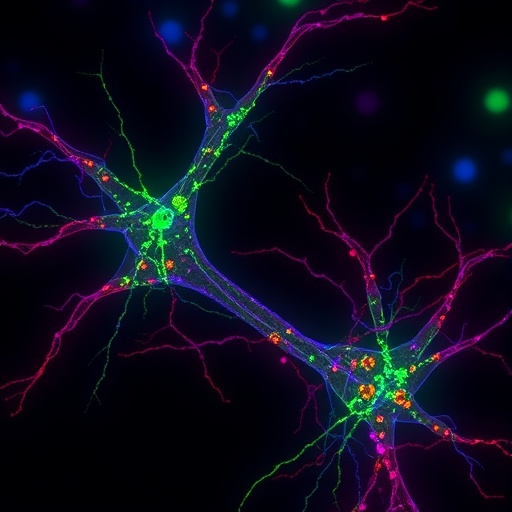
Using cutting-edge metabolomics and live-cell imaging techniques, the investigators tracked metabolic fluxes with exquisite temporal resolution in cancer cell lines and primary tumor samples. They demonstrated that glycolysis operates as an absolute dynamic system, exhibiting fluctuations in response to both internal genetic changes and external stimuli such as hypoxia and nutrient availability. In contrast, OXPHOS maintains a relatively static state, serving as a metabolic backbone that supports bioenergetic homeostasis but subtly adapts in a complementary manner.
At the heart of this discovery is the establishment that instead of mutual exclusivity, glycolysis and OXPHOS engage in an adaptive interplay, allowing cancer cells to finely tune energy production and biosynthetic processes. This adaptive mechanism is critical during different phases of cancer progression, from early proliferation to later metastatic spread, underscoring the metabolic flexibility conferring survival advantages under fluctuating environmental stressors.
Moreover, the researchers identified specific signaling nodes and regulatory proteins that mediate this dynamic-static relationship. Key transcription factors and metabolic enzymes act as molecular switches or rheostats, modulating pathway fluxes while preserving cellular viability and growth capacity. These findings illuminate how cancer cells harness metabolic regulation to optimize ATP generation while balancing reactive oxygen species (ROS) production and redox status.
The implications for therapeutic development are profound. Since both glycolytic and OXPHOS pathways contribute to tumor fitness in a context-dependent manner, targeting only one pathway might be insufficient or even counterproductive. Future cancer treatments may require a dual-pathway modulation strategy, designed to disrupt the delicate flux balance and sensitize cancer cells to metabolic stressors without harming normal tissue metabolism.
Interestingly, the study also highlights metabolic heterogeneity within tumor populations. Not all cells within the same tumor employ identical metabolic strategies; some rely more heavily on glycolysis, others maintain OXPHOS dominance, and yet others fluctuate between these states dynamically. This intratumoral metabolic diversity poses further challenges to therapeutic targeting but also opens avenues for precision medicine based on metabolic phenotyping.
The continued development of metabolic inhibitors, combined with real-time monitoring of cellular metabolism, could allow clinicians to dynamically adjust treatments in response to evolving tumor metabolic profiles. This precision approach holds promise for overcoming resistance mechanisms that arise from metabolic plasticity, a key hurdle in existing cancer therapies.
Beyond cancer, the fundamental principles derived from this study may extend to other pathological states characterized by metabolic dysregulation, including neurodegenerative diseases and immune dysfunction. Understanding the balance and interplay between glycolysis and OXPHOS could provide biomarkers or intervention points for diseases where cellular energetics are compromised.
Technologically, the study leverages innovations such as fluorescence lifetime imaging microscopy (FLIM) to spy on NADH levels and infer metabolic states with unparalleled spatiotemporal accuracy. These tools not only elucidate cellular metabolism but also pave the way for metabolic imaging diagnostics—potentially transforming early cancer detection and monitoring.
The breadth of this research underscores an essential paradigm shift in cancer biology—from viewing metabolic pathways as discrete and static modules to appreciating their dynamic and context-sensitive orchestration. This shift not only enriches our biochemical understanding but also catalyzes a new era in translational oncology focused on metabolic adaptability as a diagnostic and therapeutic target.
In conclusion, the elegant dissection of glycolysis and OXPHOS dynamics provided in this study marks a seminal advance. It propels the field beyond simplified dichotomies, offering a comprehensive framework that integrates metabolic flexibility into the narrative of cancer progression. As such, it ignites pathways for developing more effective, metabolism-centered therapeutic regimens that can outmaneuver cancer’s adaptive prowess.
Subject of Research: The dynamic and regulatory relationship between glycolysis and oxidative phosphorylation (OXPHOS) in cancer development and metabolic reprogramming.
Article Title: Absolute dynamic and relative static: the relationship of glycolysis and OXPHOS in cancer development.
Article References:
Bao, X., Hou, B., Guo, Z. et al. Absolute dynamic and relative static: the relationship of glycolysis and OXPHOS in cancer development. Cell Death Discov. (2026). https://doi.org/10.1038/s41420-026-02992-5
Image Credits: AI Generated
DOI: https://doi.org/10.1038/s41420-026-02992-5
Tags: bioenergetic pathways in tumorigenesiscancer cell metabolic flux analysiscancer metabolic reprogrammingdynamic cancer metabolism pathwaysglycolysis and OXPHOS interactionglycolysis in cancer cellslive-cell imaging cancer metabolismmetabolic plasticity in tumorsmetabolomics in cancer researchoxidative phosphorylation OXPHOS cancertumor microenvironment metabolismWarburg effect and cancer metabolism