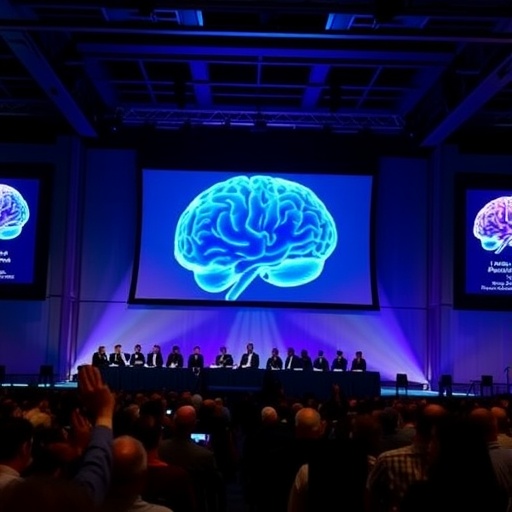
In a groundbreaking convergence that marks a pivotal moment for neurological research, the World Summit on Parkinson’s Disease has unveiled a comprehensive overview of emerging trajectories and transformative breakthroughs in understanding and managing Parkinson’s disease. The summit, an unprecedented gathering of leading scientists, clinicians, and advocates, focused on unraveling the intricate biological underpinnings of Parkinson’s while spotlighting innovative therapeutic avenues that could redefine patient care in the years ahead.
One of the most striking themes emerging from the summit is the convergence of basic neuroscience and cutting-edge technology, propelling the field beyond symptomatic treatment to potential disease modification. This paradigm shift hinges on illuminating the complex molecular and cellular mechanisms driving Parkinsonian neurodegeneration, particularly the pivotal roles played by alpha-synuclein aggregation and mitochondrial dysfunction. Delving into these pathological processes at unprecedented resolution has allowed researchers to pinpoint novel molecular targets that may halt or reverse neuronal loss.
The discussions underscored the growing sophistication of diagnostic tools, especially neuroimaging and biomarker identification. Advanced MRI techniques and PET imaging have begun to visualize aberrant protein accumulations and neuroinflammation associated with Parkinson’s, offering a noninvasive window into disease progression. Coupled with circulating biomarkers identified through proteomic and metabolomic profiling, these tools promise earlier and more precise diagnoses, which are critical for timely intervention.
Beyond diagnostics, the summit spotlighted revolutionary therapeutic strategies, many of which stem from a nuanced understanding of the disease’s genetic architecture. Gene therapy approaches targeting PARK genes and LRRK2 mutations demonstrated promising preclinical results, hinting at personalized treatments tailored to patients’ unique genetic profiles. Moreover, the potential to edit pathogenic mutations using CRISPR-Cas9 technology articulates a future where curative therapies might supplant chronic symptom management.
Parallel to gene editing, immunotherapy surfaced as a hopeful contender in the battle against synucleinopathy. Monoclonal antibodies engineered to target misfolded alpha-synuclein exhibited encouraging efficacy in reducing pathological protein burden in animal models, signaling a possible breakthrough in mitigating disease progression. These antibody-based treatments could recalibrate immune responses, curbing neuroinflammation that exacerbates neuronal death.
The summit did not neglect the promising realm of regenerative medicine, where stem cell research has made remarkable strides. Induced pluripotent stem cells (iPSCs), reprogrammed from patients’ somatic cells, serve as personalized platforms for drug screening and, potentially, as sources for cell replacement therapies. Transplantation of dopaminergic neurons derived from such stem cells could replenish lost neuronal populations in the substantia nigra, restoring dopaminergic circuits compromised in Parkinson’s disease.
Adding a compelling dimension, advances in bioengineering and neuromodulation surfaced as critical adjuncts to pharmacological interventions. Deep brain stimulation (DBS) technologies are evolving with enhanced targeting accuracy, adaptive stimulation algorithms, and reduced invasiveness, translating to improved symptom control and quality of life for patients. Emerging modalities such as focused ultrasound and transcranial magnetic stimulation were also highlighted for their noninvasive potential to modulate dysfunctional neural networks implicated in motor and non-motor symptoms.
The summit also showcased the critical importance of a holistic approach to Parkinson’s care. Beyond motor impairment, non-motor symptoms such as cognitive decline, autonomic dysfunction, and psychiatric disturbances contribute significantly to patient morbidity. Integrative strategies combining pharmacotherapy, lifestyle modifications, and multidisciplinary support systems were underscored as essential to optimizing long-term outcomes.
In terms of epidemiology and disease modeling, the summit revealed novel insights into environmental and lifestyle factors influencing disease onset and progression. The interplay between genetic susceptibility and exposures—ranging from pesticides to traumatic brain injury—was dissected with epidemiological rigor. This research trajectory aims to identify modifiable risk factors, opening avenues for preventive strategies.
The summit left no stone unturned in emphasizing data sharing and collaborative networks as catalysts for accelerated discovery. Large-scale consortia pooling genomic, clinical, and imaging data are enabling sophisticated machine learning algorithms to identify patterns hitherto undetectable. Such integrative analyses promise to refine patient stratification, enabling precision medicine approaches in Parkinson’s disease.
In a particularly revolutionary stride, advances in wearable technology and digital health were deliberated as tools to capture real-time symptom fluctuations and treatment responses. These technologies yield rich datasets, facilitating dynamic disease monitoring and personalized therapeutic adjustments, heralding a new era of patient-centered care.
Ethical considerations and equitable access to emerging therapies also commanded attention. Discussions highlighted the necessity of frameworks to ensure that cutting-edge treatments reach diverse populations, mitigating disparities in care. The imperative for patient engagement and transparency throughout the research continuum was reiterated, fostering trust and shared decision-making.
As the summit concluded, it painted an optimistic yet measured future outlook. While formidable challenges remain in translating laboratory breakthroughs to clinical realities, the synergy of scientific innovation, technological ingenuity, and collaborative spirit instills hope for transforming Parkinson’s from a relentlessly progressive illness into a manageable condition — potentially even one that can be preempted or reversed.
This landmark gathering reaffirmed the global commitment to unravel the enigmatic pathology of Parkinson’s disease and to harness emerging tools that promise to reimagine treatment paradigms. The unfolding era of neurotherapeutics is poised to deliver interventions that go far beyond symptom control, aiming instead for disease-modifying and even curative solutions, thus paving the way for drastically improved patient outcomes worldwide.
Subject of Research: Parkinson’s Disease Pathophysiology, Diagnostics, and Therapeutics
Article Title: Proceedings of the World Summit on Parkinson’s Disease
Article References:
Mantri, S., Ghilardi, M.F., Lessard, N. et al. Proceedings of the world summit on Parkinson’s disease. npj Parkinsons Dis. 11, 293 (2025). https://doi.org/10.1038/s41531-025-01123-8
Image Credits: AI Generated
Tags: alpha-synuclein and mitochondrial dysfunctionbiomarkers for Parkinson’s disease progressionconvergence of neuroscience and technologyglobal Parkinson’s Disease Summit insightsinnovative therapeutic approaches for Parkinson’smolecular targets for neurodegenerationneuroimaging techniques in Parkinson’s diagnosisneurological research breakthroughs 2023noninvasive diagnostic tools for Parkinson’sParkinson’s disease research advancementspatient care advancements in Parkinson’s treatmentproteomics and metabolomics in neurology