A retrospective forensic investigation of 70 non-fatal assault cases evaluated between 2014 and 2025 shows that glass objects produce blunt, sharp, or combined injuries depending on how the weapon is deployed and whether it shatters. Conducted at a single forensic medicine department, the analysis examined assault circumstances, weapon categories, injury mechanisms, glass fragmentation, wound morphology, bodily distribution, and clinical severity across interpersonal violence incidents.
The forensic dataset established clear demographic and environmental trends surrounding these altercations. Injured individuals and their assailants were predominantly male across the reviewed cohort. In addition, the violent incidents took place most frequently within commercial hospitality settings such as pubs, bars, and restaurants, while documented alcohol involvement was recorded frequently in connection with the encounters.
Regarding the physical interaction between assailants and victims, contact assaults involving held glass objects were substantially more common than assaults carried out with thrown items. Furthermore, forensic evaluators documented repeated assaults with a glass object in approximately one fifth of the analyzed cases, demonstrating sustained aggressive engagement in a notable subset of incidents.
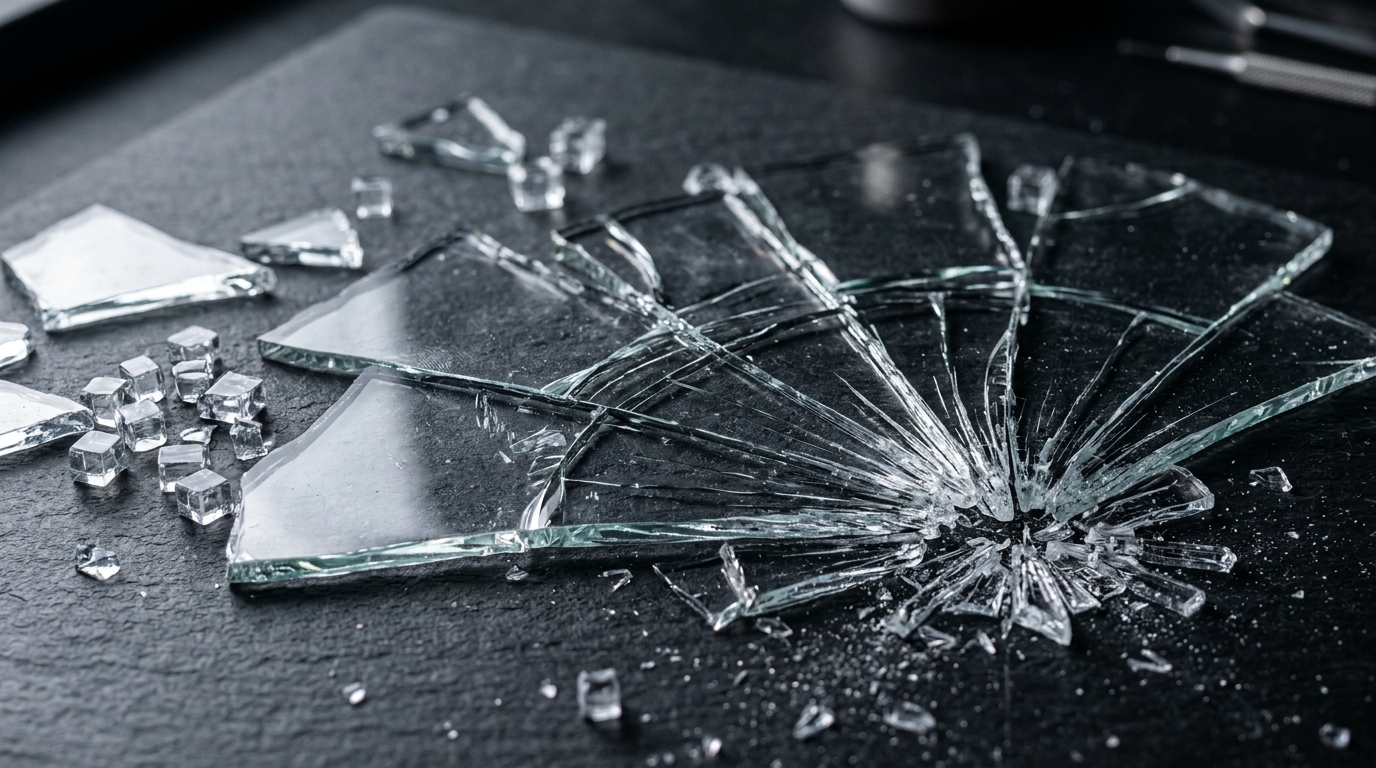
Structural degradation of the weapon emerged as a critical determinant of injury morphology, as glass fragmentation occurred in most recorded assaults. However, structural failure did not lead exclusively to penetrating or sharp trauma; forensic physicians also documented blunt injuries following breakage, revealing complex physical interactions between fragmented materials and biological tissue.
In contrast, assaults where the glass object remained intact produced exclusively blunt injuries rather than incised wounds. When these unbroken items struck victims, they typically inflicted a single laceration and never produced more than two lacerations, delineating a consistent forensic ceiling for blunt trauma generated by intact glassware.
Although severe trauma occurred less frequently overall, the documented high-severity outcomes included fractures of the head, face, and dentoalveolar region. Evaluators also recorded life-threatening open-globe ocular injuries, facial nerve trauma, and deep vascular neck trauma that progressed to acute hypovolemic shock in affected patients.
The study observed that the most clinically significant and debilitating medical consequences were directly linked to the sharp action of glass fragments. These sharp-force complications were particularly concentrated in vulnerable anatomical regions, specifically within the periocular tissue and the vascular structures of the anterior neck.
Ultimately, the authors emphasize that accurate medicolegal assessment requires meticulous reconstruction of the assault mechanism. Comprehensive forensic evaluations must account for specific object classifications, whether repeated strikes occurred, weapon fragmentation dynamics, and the hazardous secondary action generated by detached glass shards.
Subject of Research: Forensic analysis of non-fatal assaults involving glass objects
Article Title: Non-fatal assaults with glass objects: a retrospective forensic analysis of 70 cases
Article References: Handlosová, K., Uvíra, M., Timkovič, J., Šištík, P., Dokoupil, M., Dobiáš, M., & Handlos, P. (2026). Non-fatal assaults with glass objects: a retrospective forensic analysis of 70 cases. International Journal of Legal Medicine. https://doi.org/10.1007/s00414-026-04084-6
Image Credits: AI Generated
DOI: 10.1007/s00414-026-04084-6
Keywords: forensic medicine, interpersonal violence, glass objects, non-fatal assaults, wound morphology, glass fragmentation, blunt injuries, sharp trauma, lacerations, alcohol involvement, open-globe injuries, vascular neck injury, hypovolemic shock, facial fractures, facial nerve injury, injury severity, assault reconstruction
News Source: Ophelia Keating. (November 24, 2026). Glass Object Assaults Inflict Most Severe Trauma Through Fragmentation Action. Scienmag.