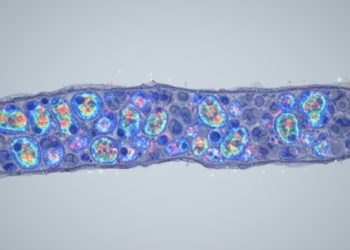
A comprehensive nationwide survey of wild mosquitoes across the Republic of Korea has demonstrated that bacterial communities associated with the Culex pipiens complex are structured primarily by geographic origin rather than host physiological form, despite pervasive numerical dominance by the intracellular endosymbiont Wolbachia. The investigation, conducted through targeted 16S ribosomal RNA gene amplicon sequencing across twenty-two surveillance regions, provides the first national-scale, complex-specific assessment of mosquito-associated microbiota within South Korea. By applying compositionally aware log-ratio transformations, presence-absence metrics, and covariate-adjusted models alongside conventional abundance-weighted ordinations, the researchers decoupled the statistical distortion imposed by maternally inherited Wolbachia from genuine community turnover in environmental bacteria. The resulting evidence reveals that while Wolbachia represents an average of nearly half of all detected bacterial sequences, the residual resident microbiota exhibits a distinct compositional divergence separating Jeju Island from the mainland, contrasting sharply with the near-total compositional equivalence observed between distinct physiological host forms.
The Culex pipiens complex represents a globally distributed group of medically important vector mosquitoes responsible for transmitting pathogens including West Nile virus, St. Louis encephalitis virus, filarial nematodes, and avian malaria parasites, while serving as a secondary vector of Japanese encephalitis virus in South Korea. Within Korean territory, the complex is primarily represented by two morphologically identical taxa, Culex pipiens pallens and Culex pipiens form molestus, which display profound phenotypic differences in host preference, autogeny, and diapause behavior. Rapid emergence of chemical insecticide resistance associated with ace-1 and kdr target-site mutations has accelerated interest in non-chemical, microbiome-based biological control strategies, making an exact ecological baseline of their natural microbiota essential.
To establish this baseline, researchers collaborated with the Regional Center for Vector Surveillance against Climate Change operated by the Korea Disease Control and Prevention Agency to sample adult female mosquitoes from twenty-three distinct collection points across twenty-two administrative regions between August 1 and August 15, 2022. Operating light traps and BG-Sentinel traps baited with dry ice, collectors acquired specimens from both urban environments and migratory bird habitats. Trained personnel identified collected mosquitoes morphologically before performing diagnostic form-specific polymerase chain reaction assays targeting the acetylcholinesterase-2 locus using specialized Korean primers ACEmole_R and ACEpall_R to discriminate between the molestus and pallens forms. The identified specimens were organized into twenty-nine pooled samples, comprising sixteen Culex pipiens form molestus pools and thirteen Culex pipiens pallens pools, each containing between two and ten adult females, with eighteen pools reaching the designated maximum of ten individuals.
To characterize bacterial assemblages, investigators subjected whole pooled females to rigorous surface decontamination using seventy percent ethanol immersion followed by repeated rinses in sterile distilled water. Total genomic DNA was extracted using commercial silica-spin extraction kits, after which the hypervariable V3 to V4 regions of the bacterial 16S ribosomal RNA gene were amplified using 341F and 805R region-specific primers. High-throughput paired-end sequencing on the Illumina MiSeq platform generated over four point eight million raw sequence reads. Bioinformatic processing within the QIIME 2 environment utilized the DADA2 pipeline for error modeling, quality filtering, denoising, and chimera removal, yielding three point nine million non-chimeric reads that resolved into amplicon sequence variants. Sequences assigned to eukaryotic organelles, Archaea, or unassigned lineages were systematically filtered out, and taxonomic assignments were generated against the SILVA reference database, establishing an analytical rarefaction threshold of seventy-seven thousand reads per sample that preserved all twenty-nine pools for subsequent diversity profiling.
Taxonomic profiling showed that the mosquito communities were overwhelmingly dominated by the phylum Pseudomonadota, representing eighty-seven point nine percent of non-chimeric reads, followed by Bacillota at nine point five percent, Bacteroidota at zero point nine percent, and Actinomycetota at zero point five percent. At the genus level, Wolbachia was the single most abundant bacterial taxon across the entire dataset, averaging forty-five point one percent relative abundance overall. However, Wolbachia infection loads varied dramatically among individual pools, spanning from two point four percent in a mainland pool to ninety-four point seven percent in an urban collection. Wolbachia represented the most abundant genus in eighteen of the twenty-nine pools, while the remaining eleven pools were dominated by opportunistic bacterial genera including Pantoea, Acinetobacter, Staphylococcus, Aeromonas, Serratia, Gibbsiella, Lonsdalea, and unclassified lineages within the Moraxellaceae, Enterobacteriaceae, and Morganellaceae families, illustrating high sample-to-sample turnover in non-endosymbiotic bacteria.
Because Wolbachia occupied such a vast proportion of sequence libraries, its relative abundance overwhelmingly dictated the primary ordination axis in standard abundance-weighted beta-diversity analyses. Principal coordinates analysis based on Bray-Curtis dissimilarities and weighted UniFrac distances exhibited near-perfect alignment with Wolbachia read proportions, with Wolbachia abundance accounting for twenty point five percent of Bray-Curtis variation and forty-three point four percent of weighted UniFrac variation. Furthermore, Wolbachia relative abundance exhibited a strong negative correlation with raw amplicon sequence variant Shannon diversity across all samples. However, when researchers removed Wolbachia in silico and computed diversity metrics on the centered log-ratio transformed resident bacterial community, the negative correlation completely reversed into a statistically significant positive relationship. This mathematical reversal demonstrated that Wolbachia dominance compresses apparent community evenness rather than actively suppressing the taxonomic richness of the co-occurring resident mosquito microbiome.
Despite marked ecological, physiological, and behavioral divergence between the two mosquito forms, host form explained virtually none of the community variation across the surveyed populations. Alpha diversity showed no significant differences between Culex pipiens pallens and Culex pipiens form molestus across Shannon entropy, Faith’s phylogenetic diversity, observed amplicon sequence variants, or Pielou’s evenness. Similarly, beta-diversity tests using Bray-Curtis, weighted UniFrac, Jaccard, and Wolbachia-removed Aitchison distances revealed no significant host-form effect. While unweighted UniFrac distances displayed a nominal divergence between forms across the full dataset and within a paired subset of seven regions where both forms co-occurred, the statistical signal did not remain significant following false discovery rate adjustment across host-form comparisons. Furthermore, predicted functional profiling conducted via PICRUSt2 identified zero differentially abundant metabolic pathways between host forms, suggesting that host physiological differences do not prevent these mosquitoes from acquiring congruent bacterial assemblages.
In sharp contrast to the absence of host-form divergence, geographic origin structured mosquito microbiomes into two distinct regional communities separating Jeju Island from the Korean mainland. Permutational multivariate analysis of variance revealed significant island-mainland differences across presence-absence and centered log-ratio transformed Aitchison distances. When Wolbachia relative abundance was incorporated into statistical models as a covariate, the geographic signal strengthened considerably in abundance-weighted metrics, demonstrating that endosymbiont dominance had previously obscured rather than created regional biogeographic patterns. Homogeneity of multivariate dispersion tests confirmed that the observed differences in Aitchison and UniFrac distances reflected genuine centroid separation rather than dispersion artifacts. This geographic divergence remained highly robust when tested within each host form independently, when controlling for female pool size, and when evaluating site-level mean profiles across twenty-three distinct capture points.
Alpha-diversity comparisons between geographic zones revealed consistent structural contrasts in community configuration between the island and the mainland. Mosquito pools from Jeju Island exhibited significantly higher Pielou’s evenness than mainland pools, but harbored significantly lower Faith’s phylogenetic diversity and fewer observed amplicon sequence variants. Shannon entropy, which balances richness and evenness, did not differ significantly between zones. These regional diversity contrasts remained statistically significant after adjusting for sample pool size in linear models. Although raw genus-level abundance summaries showed descriptive elevations of taxa such as Staphylococcus, Aeromonas, and Serratia on Jeju and Acinetobacter, Gibbsiella, and Lonsdalea on the mainland, formal differential abundance testing via ANCOM-BC identified twenty-two genera that were significantly depleted on Jeju Island, with no bacterial genera demonstrating statistically supported enrichment on the island relative to the mainland reference.
To evaluate whether low-biomass contamination might have influenced these findings in the absence of sequenced negative extraction controls, the research team implemented extensive retrospective contamination diagnostics. The authors screened their taxonomic tables against published databases of kit reagents and laboratory contaminants alongside vertebrate skin and mucosal commensals, flagging seventy-nine candidate genera in a primary filter and one hundred fourteen genera in an expanded classification. When the main statistical models were re-executed after completely purging these flagged genera from the sequence tables, the island-mainland contrast in community composition, phylogenetic diversity, and evenness remained entirely intact across Aitchison, Jaccard, and unweighted UniFrac metrics. In contrast, geographic differences in observed sequence variant richness and abundance-weighted Bray-Curtis distances failed to maintain significance following contaminant filtering, indicating that while compositional structure is genuine, absolute richness disparities warrant provisional interpretation.
Prevalence analysis identified thirteen non-Wolbachia genera detected across every single sequenced mosquito pool, including Acinetobacter, Pseudomonas, Lactobacillus, Methylobacterium, Sphingobium, and Finegoldia, collectively accounting for nineteen point nine percent of the resident bacterial community. Because several universally detected genera overlap with known laboratory reagent contaminants or vertebrate mucosal commensals, and because negative sequencing controls were not retained, the authors cautiously designated these taxa as ubiquitously detected genera rather than an established resident core microbiome. The authors hypothesized that distinct environmental conditions between Jeju Island and the mainland—such as permeable volcanic basalt substrate lacking perennial streams versus crystalline mainland bedrock supporting agricultural runoff—drive differences in environmentally acquired larval bacteria. In summary, the investigation provides a rigorous mid-summer reference showing that Korean Culex pipiens complex microbiomes are primarily shaped by regional geography rather than host form divergence, while offering a clear methodological framework for managing endosymbiont dominance in arthropod microbiome research.
Subject of Research: Nationwide biogeographic and host-form analysis of Culex pipiens complex microbiomes across South Korea
Article Title: Wolbachia dominance and host-form-consistent geographic structuring of the Culex pipiens complex microbiome across the Republic of Korea
Article References: Lee, J.-H., Lee, H.-I., & Kwon, H.-W. (2026). Wolbachia dominance and host-form-consistent geographic structuring of the Culex pipiens complex microbiome across the Republic of Korea. Frontiers in Microbiology, 17, Article 1984743. https://doi.org/10.3389/fmicb.2026.1984743
Image Credits: AI Generated
DOI: 10.3389/fmicb.2026.1984743
Keywords: Culex pipiens, Culex pipiens pallens, Culex pipiens form molestus, Wolbachia, mosquito microbiome, biogeography, Jeju Island, 16S rRNA sequencing, microbial ecology, vector biology, Aitchison distance, endosymbiont, bacterial diversity, amplicon sequencing, Republic of Korea, vector surveillance
News Source: Morgan Morrow. (November 21, 2026). Geography Outweighs Host Form in Structuring Korean Culex Mosquito Microbiomes. Scienmag.