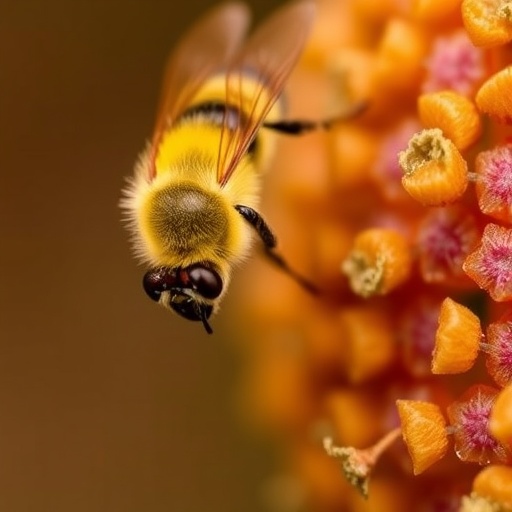

In recent years, the detrimental impact of the Varroa destructor mite on honeybee populations has become a pressing concern for apiculture and agricultural biodiversity across the globe. The Varroa mite is a parasitic entity that attaches to honeybees and feeds on their bodily fluids, weakening the bees and making them susceptible to a variety of diseases. Its significance extends beyond individual bee colonies; it poses a significant threat to entire ecosystems, honey production, and crucial pollination services. New research conducted by scientists Skičková, Baňas, and Abuin-Denis reveals critical insights into the geographical variation of the microbiome residing within Varroa destructor populations located in Slovakia and Czechia.
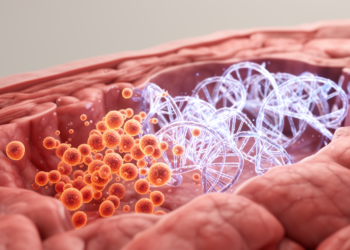
One of the paramount findings from this research underscores how the Varroa microbiome differs significantly based on geographic location. The team meticulously analyzed samples from various regions within both Slovakia and Czechia, documenting the unique microbial compositions harbored by the mites. The microbiome encompasses a diverse range of bacteria, fungi, and other microorganisms, and it plays a pivotal role in the health and performance of the mite. These microbial communities not only affect the mites’ life cycle but may also influence their interaction with honeybee hosts.
Previous studies have established a connection between mite populations and the symbiotic microorganisms they carry. However, the extent to which geographical factors influence these microbial compositions had remained largely uncharted territory. The research conducted by this team offers substantial contributions to our understanding of the Varroa microbiome by drawing comparisons between neighboring countries with similar climatic and environmental conditions. The findings emphasize that small geographical shifts can result in significant discrepancies in the microbiome composition.
.adsslot_0rzhjQdBmv{width:728px !important;height:90px !important;}
@media(max-width:1199px){ .adsslot_0rzhjQdBmv{width:468px !important;height:60px !important;}
}
@media(max-width:767px){ .adsslot_0rzhjQdBmv{width:320px !important;height:50px !important;}
}
ADVERTISEMENT
For beekeepers and entomologists, understanding these differences is crucial. The microbial communities associated with Varroa mites could potentially be manipulated to create strategies for mitigating their detrimental effects on honeybee populations. By discovering unique microbial strains that may enhance mite resilience or inhibit their harmful activities, researchers can develop new biological control methods to help protect honeybees.
Moreover, the research team delved into the mechanisms through which the Varroa microbiome interacts with its host, the honeybee. The transfer of microbes between the mite and the bee may influence the overall health of bee colonies, dictating not only resistance to diseases but also the colonies’ productivity. Understanding these interactions further emphasizes the need for comprehensive studies on bee and mite ecosystems at a microbiological level.
Environmental conditions primarily dictate the variations observed in the microbiome. Factors such as climate, local flora, and beekeeping practices can all contribute to shaping the microbiological landscape of Varroa destructor populations. As the climate changes and human activities alter natural habitats, ongoing research is vital in monitoring how these shifts might impact the health of crucial pollinators.
Additionally, the paper highlights the role of husbandry practices in influencing the microbial diversity within Varroa destructor populations. Different beekeeping methods employed in Slovakia and Czechia can lead to substantial variations in the microbial populations hosted by these mites. For example, the frequency and method of chemical treatments used by beekeepers can selectively pressure microbial communities, resulting in the emergence of resistant strains.
This body of research signifies a monumental leap forward in our understanding of Varroa destructor and its associated microbiome. While the challenges posed by these mites remain formidable, characterized by their rapid evolution and adaptability, the newfound knowledge offers hope. Identifying specific geographic disparities in the microbiomes of Varroa could lead to regional adaptations in beekeeping practices, allowing beekeepers to formulate strategies tailored to their particular environments.
Furthermore, the findings stress the importance of preserving geographic biodiversity as a means of sustaining microbial diversity crucial for honeybee health. As agricultural practices evolve, ensuring that honeybee populations have access to diverse microbial sources can result in improved resilience against pathogens, ultimately supporting viable apiary management.
As researchers continue to delve deeper into the microbiome of Varroa destructor, the implications of their findings could extend into agriculture, food security, and conservation efforts. Through a multidisciplinary approach involving microbiology, ecology, and agricultural science, the fight against Varroa destructor could lead to sustainable solutions for maintaining honeybee populations essential for pollination.
The collaborative efforts showcased in this research represent the importance of academic partnerships across borders in addressing global issues like bee health. The exchange of knowledge and techniques between Slovakia and Czechia exemplifies how scientific inquiry can transcend geographic constraints to illuminate complex biological interactions.
In summary, the geographic examination of the Varroa destructor’s microbiome opens new avenues for mitigating one of the most significant threats to honeybee populations worldwide. Understanding their unique microbial profiles can inspire innovative approaches to combatting these pervasive pests, ensuring the future of bee populations and, by extension, the agricultural practices that rely heavily on them. With this research, the road ahead appears promising, filled with the possibility for science to create a harmonious balance between Varroa mites, honeybees, and the ecosystems they inhabit.
Subject of Research: Geographic variation in the microbiome of Varroa destructor
Article Title: Geographic variation in the microbiome of Varroa destructor in the neighbouring countries Slovakia and Czechia.
Article References:
Skičková, Š., Baňas, M., Abuin-Denis, L. et al. Geographic variation in the microbiome of Varroa destructor in the neighbouring countries Slovakia and Czechia. Int Microbiol (2025). https://doi.org/10.1007/s10123-025-00699-8
Image Credits: AI Generated
DOI: https://doi.org/10.1007/s10123-025-00699-8
Keywords: Varroa destructor, microbiome, honeybees, geographic variation, microbial diversity, apiculture, bee health.
Tags: apiculture and agricultural biodiversitygeographic differences in honeybee healthhoneybee population decline factorsimpact of Varroa mites on pollination servicesimplications of Varroa on ecosystem healthinteractions between mites and honeybeesmicrobial composition in Varroa populationsmicrobiomes of parasitic mitesregional studies on Varroa destructorrole of microorganisms in mite life cycleSlovakia and Czechia Varroa researchVarroa destructor microbiome variations