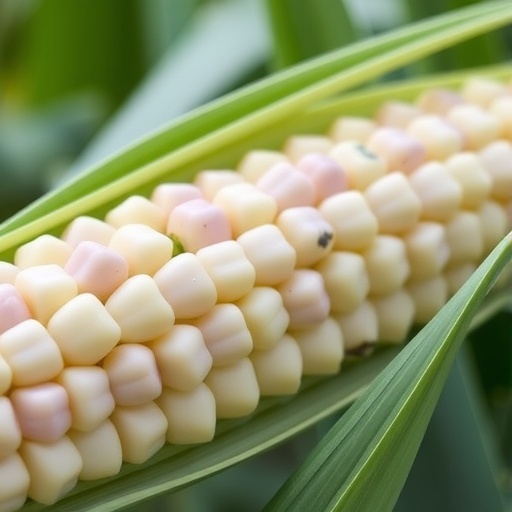
In a groundbreaking study published in BMC Genomics, researchers Wu, Jiang, Ijaz, and colleagues have significantly advanced the field of plant genomics through their integrated genomic analysis of a diverse maize population. This research highlights the genetic underpinnings of ear diameter in maize, illustrating how genomic tools can be leveraged to uncover novel genes that influence this critical trait. The result not only deepens our understanding of maize genetics but also holds promise for agricultural advancements in crop yield and quality through enhanced predictive models.
Maize, a staple food crop worldwide, plays a crucial role in food security, providing sustenance for millions. Understanding the genetic basis of important traits such as ear diameter is essential, as it directly correlates with overall yield potential. The researchers focused on a diverse population of maize to capture a wide range of genetic variation, which is vital for pinpointing genes that contribute to desirable agricultural traits. This comprehensive genomic approach allowed the team to identify candidate genes previously overlooked in earlier studies, paving the way for future research in crop enhancement.
The team employed advanced genomic sequencing techniques, which allowed them to analyze the entire genome of the maize population under study. By integrating genomic data with phenotypic information, they could establish a detailed connection between genetic markers and phenotypic traits, such as ear diameter. This method is revolutionary, as it offers insights into how specific genes influence plant morphology and ultimately, how they can be manipulated through breeding programs to produce higher-yielding varieties.
One particularly fascinating aspect of this study was the identification of novel genes associated with ear diameter. These genes had not been previously associated with this trait and represent a significant leap in our understanding of the genetic factors that contribute to maize morphology. Such findings emphasize the complexity of plant genetics and the importance of utilizing broad genetic variations found in diverse maize populations. This depth of analysis is critical for breeders looking to enhance maize varieties.
In addition to discovering new candidate genes, the researchers developed predictive models that offer superior accuracy in forecasting ear diameter based on genetic data. These models leverage machine learning algorithms capable of processing vast amounts of genetic and phenotypic information. By merging genetic insights with predictive analytics, breeders can make more informed decisions, optimizing their efforts to improve maize yield. The implications of this study extend beyond academia, as it directly influences the agricultural industry by providing tools for precision breeding.
The decision to focus on a diverse maize population reflects the increasingly important narrative surrounding genetic diversity in crop species. Genetic diversity not only allows for greater adaptability to environmental challenges, like climate change but also increases the potential for discovering beneficial traits that can be harnessed for future crop improvement. The researchers’ commitment to exploring this diversity showcases a modern approach to plant breeding that embraces complexity rather than oversimplification.
Researchers are now suggesting that the integrated genomic analysis model developed in this study could be applied to other crops as well, thereby broadening the implications of their findings. The techniques employed here can serve as a blueprint for similar investigations aimed at better understanding genetic contributions to economically important traits across a variety of plant species. As the global population continues to grow, optimizing food production through genomics will be vital for ensuring sustainable agricultural practices.
The study’s conclusions highlight the importance of collaboration between genomic scientists and agricultural breeders. By working together, they can ensure that new genomic insights are effectively translated into practical applications. This synergy will allow for the rapid implementation of advanced breeding techniques, cultivating crop varieties that are more resilient and productive, ultimately contributing to food security.
Moreover, the researchers emphasize the need for continued research into the interactions between different genes and environmental factors that influence ear diameter and other traits. Given the complex nature of plant genetics, understanding how these interactions play out in varying conditions will lead to more robust predictive models and more effective breeding strategies. This dynamic research environment underscores the need for continual investment in biotechnology and plant genomics.
Furthermore, the study highlights another fundamental aspect of modern agricultural science: the role of technology in genetic research. The use of data analytics and machine learning has revolutionized the way researchers analyze genetic information. Such technological advancements enable scientists to sift through previously unmanageable datasets, making it easier to decipher complex genetic relationships. This transformation opens new pathways for innovation in crop breeding, allowing for rapid adaptation to changing agricultural demands.
In summary, the integrated genomic analysis conducted by Wu and colleagues shines a light on the future of maize breeding and agricultural practices. The novel genes discovered and the predictive models developed underscore the potential for genomics to enhance our understanding of crop traits that are vital for food production. As agriculture faces mounting challenges, embracing these scientific advancements will be critical in ensuring global food security for generations to come.
Turning towards the future, the agricultural world must prepare for the anticipated integration of these genomic discoveries into practical applications. The researchers expressed optimism that the new predictive models for ear diameter could lead to more targeted breeding strategies, coupling the discovery of novel genes with the practical needs of farmers. The journey from the laboratory bench to the farmer’s field involves complex challenges, yet the promise of these innovations fuels enthusiasm and commitment within the scientific community.
Through their exploration of maize genetics, Wu, Jiang, Ijaz, and their colleagues have set the stage for a new era in crop improvement. By emphasizing the importance of genetic diversity, advancing predictive modeling techniques, and fostering collaborations across disciplines, they remind us that the future of agriculture lies in our ability to harness the power of genomics. As we look ahead, it is this collective effort that will ultimately ensure the resilience and sustainability of our global food systems.
In conclusion, the study serves as both a beacon of scientific achievement and a call to action for continued investment in agricultural research. With the threat of climate change looming and the global population ever-increasing, researchers must persist in their quest to enhance our food sources through innovative scientific discoveries. The findings from this comprehensive analysis offer a promising glimpse into a future where technology and genetics work hand in hand to shape a more sustainable and productive agricultural landscape.
Subject of Research: Integrated genomic analysis of maize population
Article Title: Integrated genomic analysis of a diverse maize population reveals novel genes and superior predictive models for ear diameter.
Article References:
Wu, X., Jiang, F., Ijaz, B. et al. Integrated genomic analysis of a diverse maize population reveals novel genes and superior predictive models for ear diameter.
BMC Genomics (2025). https://doi.org/10.1186/s12864-025-12417-9
Image Credits: AI Generated
DOI:
Keywords: Maize, genomic analysis, ear diameter, predictive modeling, genetic diversity.
Tags: agricultural advancements in crop yieldcandidate genes for maize traitsenhancing crop quality through geneticsfood security and maizegenetic variation in maizegenomic analysis of maizeintegrated genomic approaches in plant breedingmaize ear diameter geneticsplant genomics researchpredictive models in agriculturesequencing techniques in genomicsunderstanding maize yield potential