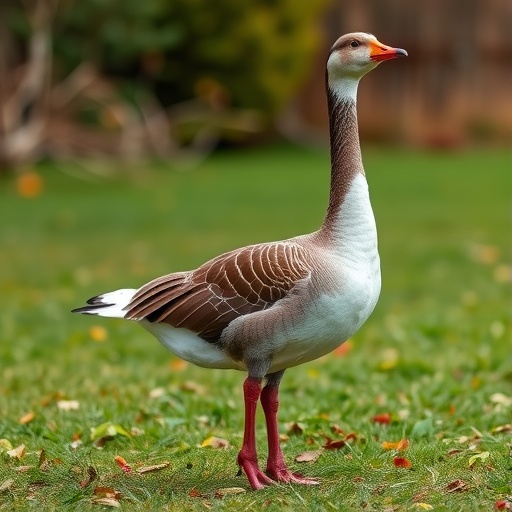
Recent advancements in genomic technology have unveiled unprecedented insights into the genetic underpinnings of various traits in agricultural and domestic animals. One of the latest contributions to this expanding field comes from a team of researchers led by Yang, Y., and Zhai, S., who have undertaken a comprehensive investigation focusing on the Zhedong white geese. Their groundbreaking work, published in BMC Genomics, delves into the intricate relationship between body-weight and body-size traits through the lens of genome-wide association studies (GWAS). This sophisticated exploration utilizes a modified genotyping-by-sequencing (GBS) method, marking a significant innovation in the realm of avian genetics.
The Zhedong white goose, a breed prized for its meat quality and adaptability, serves as an excellent model for studying genetic traits related to body weight and size. The importance of understanding these traits extends beyond the poultry industry; it encompasses broader themes of animal husbandry, genetics, and the management of food resources. Traditionally, breeding programs have relied heavily on phenotypic observations; however, the integration of genome-wide data into this process shifts the paradigm toward a more precision-based approach.
In their study, Yang and colleagues employed a modified GBS method, which is designed to be both cost-effective and efficient. GBS is a powerful tool that allows researchers to sequence numerous gene loci across multiple individuals simultaneously. By utilizing this technique, the researchers could generate extensive genomic data while minimizing the financial barrier often associated with whole-genome sequencing. This meticulous approach is expected to provide a depth of understanding that mere phenotypic observations cannot achieve.
The researchers conducted their study by initially gathering a diverse sample of Zhedong white geese, ensuring that they captured a wide array of genetic variation present within this population. This step was critical, as the genetic diversity among individuals can significantly influence the outcomes of GWAS. The team meticulously phenotyped each goose for relevant body-weight and body-size measurements, generating a robust dataset that would serve as the backbone for their genetic analyses.
Once the preliminary data was collected, the researchers embarked on the genomic analysis phase of their study. They employed a genome-wide association approach, which involves correlating variations in specific DNA sequences with observed traits. The identification of single nucleotide polymorphisms (SNPs) linked to body weight and size traits offers invaluable insights into genetic architecture. This correlation elucidates how certain genetic markers contribute to the phenotypic expressions observed in the Zhedong white geese.
The findings from this research are poised to have major implications for the livestock and poultry sectors. By pinpointing the specific genetic markers associated with desirable traits, breeders can make more informed decisions about which individuals to select for breeding programs. This can lead to enhanced offspring that are not only more resilient but also better suited to meet the increasing demands of food production. The potential for these findings to translate into practical applications highlights the vital role of genetic research in sustainable agriculture.
Moreover, the implications of this study extend beyond the immediate benefits for geese breeding. Understanding the genetics behind body size and weight can contribute to broader research in comparative genomics, laying the groundwork for studies in other domestic species. This interconnectedness illustrates the significance of using model organisms, as insights gained from one species can often be extrapolated to others, thereby enriching the general body of knowledge in animal genetics.
A notable aspect of the study is the researchers’ ability to modify existing GBS techniques. Customizing the sequencing workflow not only improves data quality but also accelerates analysis time. By fine-tuning the method to suit the specific needs of their research, the team sets a precedent for future genetic studies across various species. This type of innovation emphasizes the importance of continual adaptation and improvement in scientific methodologies to keep pace with ever-evolving research questions.
In analyzing the results, the researchers observed distinct genetic loci that exhibited strong associations with the phenotypic traits under investigation. This robust dataset enables a more comprehensive understanding of the genetic contributions to body-weight and body-size traits, making it a seminal work in the realm of avian genetics. The implications of such findings extend well beyond academic interest; they have tangible impacts on food security and agricultural sustainability, which are pressing global issues.
If further validated through subsequent studies and breeding trials, the identified SNPs could pave the way toward enhancing phenotypic traits in Zhedong white geese more efficiently than ever before. The potential to tailor breeding programs using genetic insights represents a shift towards a more scientifically informed approach to animal husbandry, where the focus is on precision rather than approximation.
While this research opens new avenues for future exploration, it simultaneously raises questions about the ethical considerations of genetic manipulation and the consequences it might impose on gene flow within wild populations. Engaging with these ethical dimensions is essential for ensuring that advancements in genetic research are pursued responsibly and with foresight.
In conclusion, Yang, Y., Zhai, S., Liu, H., and their team have made a remarkable contribution to the field of animal genetics through their genome-wide association studies on Zhedong white geese. By employing innovative methodologies and rigorous analyses, they provide a roadmap for future research and practical applications in breeding programs. Their findings are not merely an academic exercise; they symbolize hope for enhanced agricultural practices that are sustainable and efficient, contributing to global food security while honoring ethical considerations in genetic research.
The interplay between genomic data and phenotypic traits encapsulates the essence of modern breeding strategies. As researchers continue to explore the highways of genetic information, the potential for transformative impacts in agriculture remains boundless. The Zhedong white goose study serves as a shining example of the future possibilities that await at this exciting intersection of genomics, breeding, and sustainability.
Subject of Research: Genetic study on body-weight and body-size traits of Zhedong white geese using genome-wide association studies.
Article Title: Genome-wide association studies on body-weight and body-size traits among Zhedong white geese based on a modified genotyping-by-sequencing method.
Article References:
Yang, Y., Zhai, S., Liu, H. et al. Genome-wide association studies on body-weight and body-size traits among Zhedong white geese based on a modified genotyping-by-sequencing method.
BMC Genomics (2025). https://doi.org/10.1186/s12864-025-12288-0
Image Credits: AI Generated
DOI: 10.1186/s12864-025-12288-0
Keywords: Zhedong white geese, genome-wide association studies, body weight, body size, genetic markers, modified genotyping-by-sequencing.
Tags: animal husbandry advancementsavian genetics researchbody traits in poultryfood resource management in agriculturegenetic underpinnings of body weightgenome-wide association studiesgenomic technology in agriculturegenotyping-by-sequencing innovationsmeat quality in geesepoultry breeding programsprecision breeding techniquesZhedong white geese genetics