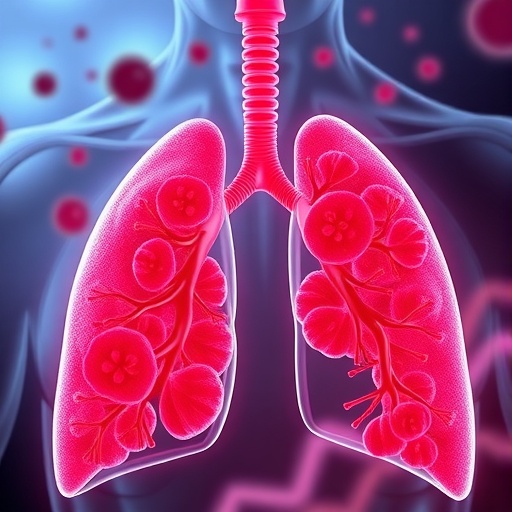
In a groundbreaking study that pushes the boundaries of environmental health and genetic research, scientists have uncovered a complex interplay between genetic variations and exposure to polybrominated diphenyl ethers (PBDEs), revealing profound effects on lipid homeostasis. This pivotal research, recently published in Nature Communications, offers a transformative perspective on how chemical pollutants and host genetics synergistically disrupt metabolic processes, providing critical insights into the etiology of metabolic disorders and potential avenues for personalized interventions.
PBDEs, a class of flame retardant chemicals widely used in various household and industrial products, have long been recognized for their persistence in the environment and bioaccumulative properties. Although previously linked to developmental and neurological impairments, this new research extends our understanding of PBDEs’ biological impact, focusing on their role in perturbing lipid metabolism, an essential process that maintains cellular and systemic energy balance. The study meticulously demonstrates that genetic variability significantly modulates how individuals respond to PBDE exposure, unveiling a previously underappreciated layer of complexity in environmental toxicology.
At the core of lipid homeostasis is the delicate equilibrium between lipid synthesis, storage, and degradation, processes governed by intricate metabolic pathways and regulatory networks. Disruptions in this balance are known to precipitate a range of metabolic diseases, including obesity, diabetes, and cardiovascular conditions. The researchers employed state-of-the-art genomic and metabolomic techniques to investigate how certain polymorphisms in genes implicated in lipid metabolism interact with PBDE exposure, altering lipid profiles and metabolic outcomes.
The team’s approach integrated high-resolution genome sequencing with advanced lipidomic profiling in both in vitro models and human cohort studies. By exposing genetically diverse populations of human liver cells and animal models to environmentally relevant concentrations of PBDEs, they observed differential gene expression and metabolic responses that correlated strongly with specific genetic variants. This nuanced analysis revealed that certain alleles exacerbated PBDE-induced dysregulation of key enzymes and transporters involved in fatty acid synthesis and cholesterol metabolism.
A striking finding was the identification of single nucleotide polymorphisms (SNPs) within the peroxisome proliferator-activated receptor (PPAR) gene family, which appeared to serve as critical modulators of PBDE toxicity. PPARs are nuclear receptors that orchestrate lipid and glucose metabolism; perturbations in their signaling cascade can significantly disrupt energy homeostasis. Cells harboring these vulnerable SNPs exhibited heightened sensitivity to PBDEs, resulting in aberrant lipid accumulation and mitochondrial dysfunction, phenomena closely linked to metabolic syndrome and insulin resistance.
Beyond the molecular mechanisms, the study also highlighted differential susceptibility patterns across populations, emphasizing the role of genetic background in determining individual risk profiles. Such findings underscore the complexity of assessing chemical safety, as genetic heterogeneity within human populations can lead to variable biological responses to environmental toxicants. This challenges the prevailing one-size-fits-all regulatory frameworks and advocates for more personalized approaches to environmental health policies.
The implications of these results are profound, particularly in the context of rising global metabolic diseases and widespread human exposure to PBDEs through diet, dust, and consumer products. By illustrating that genetic predisposition can amplify or mitigate the metabolic toxicity of common environmental contaminants, this work opens the door to tailored risk assessments and precision medicine strategies. Future interventions might include genetic screening to identify at-risk individuals and the development of targeted therapeutics to counteract pollutant-induced metabolic disruption.
Methodologically, this research exemplifies the power of multi-omics integration in environmental health sciences. The convergence of genomics, transcriptomics, and lipidomics provided a holistic view of how external chemical insults interact with the genome to reshape metabolic landscapes. This integrative paradigm promises to unravel other complex gene-environment interactions with far-reaching health implications and could serve as a blueprint for studying diverse pollutants beyond PBDEs.
Environmental scientists and healthcare professionals alike are now contemplating how to harness this knowledge to mitigate the deleterious health effects of PBDEs. Strategies could include reducing PBDE emissions, enhancing detoxification pathways, or employing dietary interventions aimed at restoring lipid balance. These proactive measures are bolstered by growing awareness that environmental pollutants are not isolated hazards but operate within the broader context of genetic architecture and metabolic health.
Moreover, this study raises compelling questions about intergenerational and epigenetic impacts of PBDE exposure, given their persistence and ability to bioaccumulate in adipose tissues. It calls for longitudinal research to investigate whether early-life exposure combined with genetic vulnerabilities predisposes individuals to lifelong metabolic disturbances. Such insights could radically transform preventive healthcare and environmental regulations by integrating genetic risk factors into exposure limits.
The collaboration among geneticists, toxicologists, and bioinformaticians was essential in driving this multidisciplinary endeavor. By leveraging computational modeling and machine learning, the researchers could predict metabolic outcomes based on genetic and exposure data, advancing the frontier of predictive toxicology. This convergence of data science and bench research exemplifies the evolving landscape of biomedical sciences, where holistic analyses facilitate nuanced understanding of disease mechanisms.
Critically, the study also serves as a wake-up call regarding the ubiquitous presence of synthetic chemicals in our environment and their silent but profound effects on human biology. As society grapples with escalating chronic disease burdens, unraveling the intertwined influences of genes and environment becomes increasingly urgent. This research not only elucidates a specific chemical-gene interaction but also symbolizes the broader imperative to rethink how modern pollutants influence health through complex genetic networks.
In conclusion, the discovery that genetic variations significantly modulate the metabolic toxicity of PBDEs marks a paradigm shift in environmental health sciences. It compels a re-evaluation of exposure risk assessments, integrating genetic susceptibility and metabolic outcomes to better protect public health. As research continues to decode the intricate crosstalk between our genome and environmental exposures, it becomes clear that addressing the metabolic consequences of pollutants like PBDEs will require innovative, interdisciplinary approaches blending genetics, toxicology, and personalized medicine. This landmark study heralds a new era of research and policy aimed at safeguarding metabolic health in an increasingly chemical-laden world.
Subject of Research: Interaction between genetic variations and polybrominated diphenyl ether exposure affecting lipid homeostasis.
Article Title: Genetic variations interact with polybrominated diphenyl ether exposure to alter lipid homeostasis.
Article References:
Hu, N., Li, B., Lu, Y. et al. Genetic variations interact with polybrominated diphenyl ether exposure to alter lipid homeostasis. Nat Commun (2026). https://doi.org/10.1038/s41467-026-70222-8
Image Credits: AI Generated
Tags: bioaccumulation of flame retardantsenvironmental toxicology and metabolic disruptiongene-environment interactions in metabolismgenetic modulation of chemical toxicitygenetic variations and PBDE exposurelipid homeostasis and environmental pollutantsmetabolic disorders caused by PBDEsmetabolic pathways affected by pollutantsPBDE impact on cellular energy balancepersonalized interventions for metabolic diseasespolybrominated diphenyl ethers and lipid metabolismregulatory networks in lipid synthesis