• HOME
  • NEWS
  • EXPLORE
    • CAREER
      • Companies
      • Jobs
    • EVENTS
    • iGEM
      • News
      • Team
    • PHOTOS
    • VIDEO
    • WIKI
  • BLOG
  • COMMUNITY
    • FACEBOOK
    • INSTAGRAM
    • TWITTER
Sunday, November 22, 2026
BIOENGINEER.ORG
No Result
View All Result
  • Login
  • HOME
  • NEWS
  • EXPLORE
    • CAREER
      • Companies
      • Jobs
        • Lecturer
        • PhD Studentship
        • Postdoc
        • Research Assistant
    • EVENTS
    • iGEM
      • News
      • Team
    • PHOTOS
    • VIDEO
    • WIKI
  • BLOG
  • COMMUNITY
    • FACEBOOK
    • INSTAGRAM
    • TWITTER
No Result
View All Result
Bioengineer.org
No Result
View All Result
Home NEWS Science News Agriculture

Frying Time and Temperature Increase Polycyclic Aromatic Hydrocarbons in Doughnuts

by
November 21, 2026
in Agriculture
Reading Time: 2 mins read
0
Frying Time and Temperature Increase Polycyclic Aromatic Hydrocarbons in Doughnuts

Frying Time and Temperature Increase Polycyclic Aromatic Hydrocarbons in Doughnuts

Share on FacebookShare on TwitterShare on LinkedinShare on RedditShare on Telegram

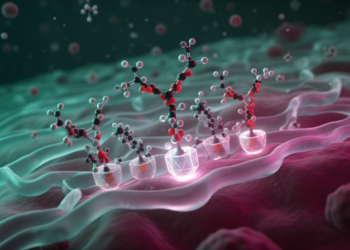
In an evaluation of deep-fat-fried doughnuts, concentrations of four polycyclic aromatic hydrocarbons generally increased alongside frying time and frying temperature. The laboratory investigation examined the presence and accumulation of these four chemical compounds, designated as PAH4, across doughnuts prepared under varying time and temperature combinations and across distinct types of edible oils. The researchers specifically analyzed how altering these preparation conditions corresponded with changes in the measured concentrations of the compounds.

The selection of frying oil demonstrated a clear association with the total concentrations of the four polycyclic aromatic hydrocarbons detected in the cooked food. Doughnuts fried in palm oil yielded the lowest total concentration among the tested varieties, recording a level of 0.810 micrograms per kilogram. In contrast, doughnuts prepared in flaxseed oil exhibited the numerically highest concentration, reaching 2.814 micrograms per kilogram. However, this flaxseed oil measurement was not significantly different from the concentration observed in doughnuts fried using soybean oil, which reached 2.797 micrograms per kilogram.

To better understand the chemical transformations occurring during the cooking process, the researchers conducted Pearson’s correlation analysis. This statistical analysis assessed the potential associations between the measured polycyclic aromatic hydrocarbon concentrations and chemical indicators of nonenzymatic browning reactions and lipid deterioration. Across the tested doughnut samples, the indicators reflecting both nonenzymatic browning and lipid deterioration demonstrated positive correlations with the detected polycyclic aromatic hydrocarbon levels.

Among the specific chemical indices evaluated in the study, 5-hydroxymethylfurfural and peroxide value showed strong positive correlations with the polycyclic aromatic hydrocarbon concentrations. The overall findings demonstrated that frying duration, frying temperature, and the specific edible oil type were associated with polycyclic aromatic hydrocarbon concentrations in deep-fat-fried doughnuts. Furthermore, indices tracking nonenzymatic browning and lipid oxidation maintained consistent positive associations with the hydrocarbon levels under the specific experimental conditions evaluated.

Subject of Research: Polycyclic aromatic hydrocarbon concentrations in deep-fat fried doughnuts

Article Title: Evaluation of polycyclic aromatic hydrocarbon content in deep fat fried doughnuts

Article References: Lim, K.-J., Choi, D.-B., Jeong, G.-H., Kim, J.-W., & Shin, H.-S. (2026). Evaluation of polycyclic aromatic hydrocarbon content in deep fat fried doughnuts. Food Science and Biotechnology. https://doi.org/10.1007/s10068-026-02385-5

Image Credits: AI Generated

DOI: 10.1007/s10068-026-02385-5

Keywords: polycyclic aromatic hydrocarbons, PAH4, deep-fat frying, doughnuts, palm oil, flaxseed oil, soybean oil, frying temperature, frying time, edible oils, nonenzymatic browning, lipid deterioration, 5-hydroxymethylfurfural, peroxide value, lipid oxidation, Pearson correlation analysis

News Source: Gregory Coleman. (November 21, 2026). Frying Time and Temperature Increase Polycyclic Aromatic Hydrocarbons in Doughnuts. Scienmag.


Tags: 5-hydroxymethylfurfuraldeep-fat fryingdoughnutsedible oilsflaxseed oilfrying temperaturefrying timelipid deteriorationlipid oxidationnonenzymatic browningPAH4palm oilPearson correlation analysisperoxide valuepolycyclic aromatic hydrocarbonssoybean oil
Share12Tweet7Share2ShareShareShare1

Related Posts

Synthetic Microbial Communities Offer New Pathways for Climate Resilient Forest Management

Synthetic Microbial Communities Offer New Pathways for Climate Resilient Forest Management

November 21, 2026
Citrus Transcription Factor CsHAT14 Regulates Chlorophyll Breakdown and Fruit Degreening

Citrus Transcription Factor CsHAT14 Regulates Chlorophyll Breakdown and Fruit Degreening

November 21, 2026

Green Extraction of Agricultural Waste Yields Bioactives but Drops at Scale

November 21, 2026

Hungarian Survey Identifies Distinct Consumer Motivations For Freshwater Aquaculture Market Planning

November 21, 2026

POPULAR NEWS

  • Cadonilimab Plus Lenvatinib Shows Promising Antitumor Activity in Advanced Endometrial Cancer

    Cadonilimab Plus Lenvatinib Shows Promising Antitumor Activity in Advanced Endometrial Cancer

    29 shares
    Share 12 Tweet 7
  • Depression and Parkinson’s Associated With Greatest Quality of Life Reductions in Finland

    29 shares
    Share 12 Tweet 7
  • Ugandan Parasite Surveillance Shows Complex Expansion of Pyrimethamine Resistance Mutation

    29 shares
    Share 12 Tweet 7
  • Dual Immunotherapy Before Surgery Boosts T Cells in Recurrent Glioblastoma

    29 shares
    Share 12 Tweet 7

About

We bring you the latest biotechnology news from best research centers and universities around the world. Check our website.

Follow us

Recent News

Cadonilimab Plus Lenvatinib Shows Promising Antitumor Activity in Advanced Endometrial Cancer

Depression and Parkinson’s Associated With Greatest Quality of Life Reductions in Finland

Ugandan Parasite Surveillance Shows Complex Expansion of Pyrimethamine Resistance Mutation

Subscribe to Blog via Email

Enter your email address to subscribe to this blog and receive notifications of new posts by email.

Join 89 other subscribers
  • Contact Us

Bioengineer.org © Copyright 2023 All Rights Reserved.

Welcome Back!

Login to your account below

Forgotten Password?

Retrieve your password

Please enter your username or email address to reset your password.

Log In
No Result
View All Result
  • Homepages
    • Home Page 1
    • Home Page 2
  • News
  • National
  • Business
  • Health
  • Lifestyle
  • Science

Bioengineer.org © Copyright 2023 All Rights Reserved.