


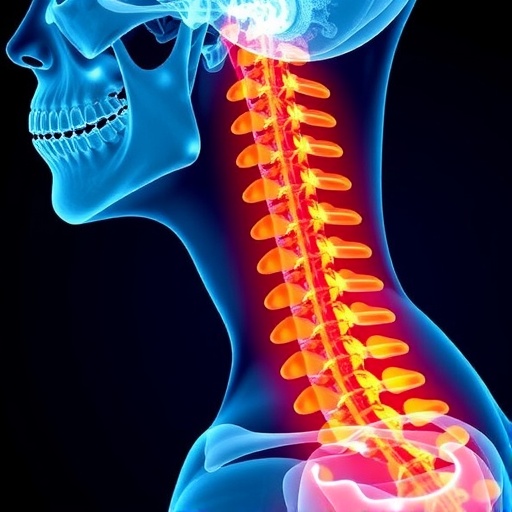
In a groundbreaking study conducted by a team of researchers in Southern India, the utility of FRAX® and FRAXplus® has been thoroughly examined to predict prevalent radiographic vertebral fractures in postmenopausal women. This research, known as the FRACHAMB study, marks a significant step forward in understanding osteoporosis risk factors in a demographic often overlooked in international healthcare discussions. The study was specifically carried out at the Fraction Christian Hospital in Ambilikkai, and it is anticipated to provide pivotal insights concerning fracture prediction and prevention strategies.
The study’s focal point revolves around the FRAX tool, a widely utilized algorithm that assesses fracture risk by considering various risk factors including age, sex, weight, height, and medical history. FRAX is a valuable resource, particularly in settings where sophisticated imaging technologies are not readily available. With the added layers of FRAXplus, which incorporates additional clinical parameters, the predictive power can be enhanced, potentially leading to better-informed clinical decisions.
In the FRACHAMB study, researchers collected data from a local cohort of postmenopausal women. This is crucial as postmenopausal women are at significantly higher risk for osteoporotic fractures, largely due to the reduction in estrogen levels, which plays a protective role in bone maintenance. The study aimed not only to validate the effectiveness of these tools in a rural Indian healthcare setting but also to tailor Osteoporosis awareness and preventive measures specific to this unique population.
The methodology employed in this study is robust and rigorous. Researchers utilized a cross-sectional design to collect and analyze data on the skeletal health of participants. This approach allows for the identification of existing vertebral fractures via radiographic imaging, ensuring that the study’s outcomes are grounded in concrete evidence. Additionally, participants’ demographic information, lifestyle factors, and medical histories were meticulously recorded to evaluate their influence on fracture risk effectively.
Preliminary findings from the FRACHAMB study indicate that using FRAX, and particularly FRAXplus, could significantly enhance the detection of individuals at high risk of sustaining vertebral fractures. Given the increasing prevalence of such fractures in aging populations, implementing these tools within rural healthcare systems could lead to more proactive treatment strategies. Early identification of at-risk women allows for timely intervention, which is critical for improving long-term outcomes for those susceptible to osteoporosis.
The results of this research resonate beyond just the immediate implications for clinical practice; they pose broader questions about health equity and access to care in rural settings. While urban populations often have better access to advanced healthcare services, rural communities may lag significantly. The application of FRAX models in these areas offers a lifeline through more accessible risk assessments, ultimately contributing to global health initiatives focusing on equity.
Moreover, this study highlights the vital role of community-based research in addressing health disparities. Local insights bring to light the unique characteristics of rural populations that might not be recognized in urban-centric studies. The data derived from such settings can be instrumental in forming tailored educational programs for healthcare providers and communities, emphasizing the importance of osteoporosis awareness and prevention.
Ongoing engagement with healthcare providers in rural areas will be essential for the successful implementation of FRAX tools. Training sessions, workshops, and outreach programs can facilitate the understanding and application of these assessment methods, empowering local health practitioners to screen for osteoporotic fractures effectively. Moreover, integrating these tools into routine practice can help create a cultural shift towards prioritizing bone health and overall elderly care in these communities.
The implications of enhancing fracture detection extend to economic considerations as well. The costs associated with managing osteoporotic fractures are considerable, and preventing such incidences through effective risk assessment and intervention can lead to substantial reductions in healthcare expenditures. By investing in preventive healthcare strategies, particularly in underserved areas, would not only improve individual health outcomes but also alleviate burdens on healthcare systems.
In conclusion, the FRACHAMB study exemplifies the critical intersection of technology, research, and practical application in the realm of global health. This pioneering research into the utility of FRAX and FRAXplus in a rural Indian context stands as a model for similar future initiatives across other regions. As healthcare systems evolve and adapt to meet the needs of diverse populations, the lessons learned from this study will be invaluable in shaping holistic, equitable, and effective healthcare policies.
The potential for this research to resonate with a broad audience is significant. Health professionals, policymakers, and the general public alike have much to gain from understanding the intricacies of osteoporosis and the tools available to combat it. As this study circulates within the scientific community and beyond, the hope is that it inspires further examination and discussion of bone health—not only in postmenopausal women but across various demographics susceptible to fractures.
Thus, the FRACHAMB study serves as a beacon of innovation and a reminder that concerted efforts in research and community-based initiatives can bridge the gap in healthcare. Awareness raised by articles and discussions about such studies can empower individuals, inform healthcare debates, and ultimately lead to healthier futures for vulnerable populations around the world.
Subject of Research: Osteoporosis risk assessment using FRAX® and FRAXplus® among postmenopausal women in rural India
Article Title: Utility of FRAX® and FRAXplus® in predicting prevalent radiographic vertebral fractures in postmenopausal women from a rural hospital in Southern India—FRACHAMB study
Article References:
Cherian, J., Cherian, K.E., John, C.S. et al. Utility of FRAX® and FRAXplus® in predicting prevalent radiographic vertebral fractures in postmenopausal women from a rural hospital in Southern India—FRACHAMB study (FRActure Christian Hospital AMBilikkai).
Arch Osteoporos 20, 143 (2025). https://doi.org/10.1007/s11657-025-01626-0
Image Credits: AI Generated
DOI: https://doi.org/10.1007/s11657-025-01626-0
Keywords: Osteoporosis, FRAX, FRAXplus, Postmenopausal Women, Rural Health, Vertebral Fractures, Fracture Prediction
Tags: clinical decisions in fracture preventionestrogen levels and bone healthFRACHAMB study findingsfracture prevention strategiesFRAX tool for fracture risk assessmentFRAXplus enhanced predictive modelhealthcare discussions on women’s health.osteoporosis risk factors in womenradiographic fracture predictionsignificance of local cohort studiesSouthern India osteoporosis researchvertebral fractures in postmenopausal women



