Recent advancements in the study of bone healing have illuminated the distinctive characteristics of tibial and malleolar fractures, particularly in relation to their healing processes. Researchers have delved into the implications of these fracture types on patients’ recovery, specifically examining key spatiotemporal and kinematic gait parameters. This research is more than just an exploration of fractures; it encapsulates a deeper understanding of how these injuries affect patients’ everyday lives, revealing the multifaceted nature of healing.
The study, conducted by Warmerdam, Laqua, and Kattanek, stands out due to its observational design. It meticulously analyzed how variations in tibial and malleolar fractures corresponded with outcomes related to bone union and nonunion. What makes this research particularly compelling is the focus on spatiotemporal gait parameters—measurable aspects of walking—using advanced methodologies that provide a detailed picture of recovery trajectories.
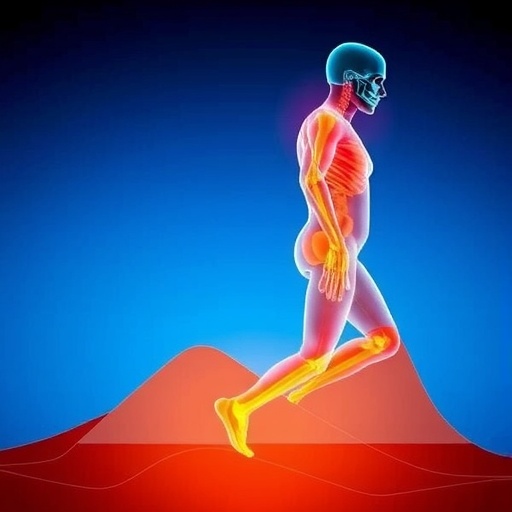
Throughout the healing process, the mechanics of gait can offer invaluable insights. For individuals with nonunion fractures, the intricacies of their walking pattern serve as a silent testimony to their struggle, potentially influencing not just physical wellness but also emotional and psychological health. The integration of kinematic data poses a significant leap forward, allowing researchers to visualize and quantify these changes. By employing precise analytical tools, the study captures moments in recovery that are often overlooked.
The differences between tibial and malleolar fractures could present varying challenges in rehabilitation timelines. For instance, tibial fractures, being weight-bearing bones, may result in altered gait parameters that are more severe compared to malleolar fractures. The severity of the injury, combined with the specific location of the fracture, could dictate not only physical therapy interventions but also the healing expectations set for patients.
Notably, this research underscores the importance of tailored rehabilitation strategies. A one-size-fits-all approach may not suffice. Understanding the unique characteristics of each fracture type can lead to personalized treatment plans that address the specific needs of each patient. This could greatly improve recovery times and overall patient satisfaction. The implications of this research could be groundbreaking, impacting clinical practices that rely on understanding fracture consequences for optimal rehabilitation.
Moreover, the connection between union and nonunion in fractures reveals profound implications for preventative strategies as well. Identifying specific kinematic signals associated with nonunion can help clinicians preemptively address potential complications. This proactive stance in fracture management could alleviate the burden of extended recovery periods, ultimately enhancing quality of life for those affected.
The observational nature of the study also allows for real-world applications. Gait analyses captured in different environments could yield additional insights, leading to innovations in rehabilitation protocols. The versatility of the findings encourages further exploration into how external factors, such as patient lifestyle and environmental conditions, influence recovery.
It is noteworthy that, while existing treatments and rehabilitation practices offer foundational support, there remains a gap in understanding the detailed relationship between fracture type and gait dynamics. Current treatments may overlook subtleties that are crucial for optimizing recovery, a gap this research seeks to bridge. By providing comprehensive analysis, the study delivers a wealth of information that could enrich future investigative endeavors and clinical methodologies.
As the field of biomedical engineering continues to evolve, this study exemplifies the essential nature of interdisciplinary efforts. The convergence of orthopedics, biomechanics, and technology fosters progress that could yield significant benefits. Innovations in measurement techniques and data analysis not only enhance our understanding of injuries but also facilitate advancements in rehabilitation science.
Currently, many clinicians may rely on subjective assessments when evaluating recovery progress. This study advocates for the adoption of objective metrics, utilizing sophisticated tools to provide clarity and precision in patient evaluations. Such advancements can lead to better communication regarding treatment options and expected outcomes, fostering a strong therapeutic alliance between patients and healthcare providers.
Looking ahead, the implications of this research extend well beyond the immediate clinical environment. As society continues to grapple with issues surrounding mobility and injury recovery, understanding the nuances of fracture types becomes increasingly central to public health discussions. A deeper comprehension of how tibial and malleolar fractures impact daily life could guide community-based interventions aimed at promoting safer practices and reducing injury rates.
For future research, the promise lies in exploring additional variables that influence healing. Factors such as age, comorbid conditions, and even socioeconomic status could interact with fracture type to shape recovery outcomes. The necessity for a multifaceted approach to research in this domain is clear, reflecting the complexity of human physiology and the myriad influences on health.
In summary, this observational study propels forward the discourse surrounding fracture management and rehabilitation. The insights gained from dissecting tibial and malleolar fractures and their influence on spatiotemporal and kinematic gait parameters illuminate pathways for improved clinical practices and patient outcomes. By harnessing the power of detailed gait analysis, the therapeutic community is poised to revolutionize recovery approaches that respect the individual journeys of healing.
Ultimately, patients will benefit as the understanding of their injuries evolves, transitioning from general treatment guidelines to personalized care. As research continues to unveil the complexities of human healing, the future looks promising for innovations that could redefine recovery expectations and enhance the human experience in the face of injury.
Subject of Research: Differences in fracture types and their impact on healing
Article Title: Differences Between Tibial or Malleolar Fracture Types and Union or Nonunion in Spatiotemporal and Kinematic Gait Parameters Throughout Healing: An Observational Study.
Article References:
Warmerdam, E., Laqua, J., Kattanek, J. et al. Differences Between Tibial or Malleolar Fracture Types and Union or Nonunion in Spatiotemporal and Kinematic Gait Parameters Throughout Healing: An Observational Study.
Ann Biomed Eng (2025). https://doi.org/10.1007/s10439-025-03937-2
Image Credits: AI Generated
DOI: https://doi.org/10.1007/s10439-025-03937-2
Keywords: fracture healing, tibial fractures, malleolar fractures, gait analysis, rehabilitation, kinematics, spatiotemporal parameters.
Tags: advanced methodologies in fracture researchbone healing processemotional effects of bone injuriesimpact of fractures on daily lifekinematic analysis of gaitmalleolar fracture recoverynonunion fracture outcomesobservational study of fracturesrecovery trajectories in fracture healingspatiotemporal gait parameterstibial fracture healingwalking pattern analysis