In a groundbreaking study recently published in the International Journal of Legal Medicine, researchers have embarked on a pioneering journey that bridges the gap between historical anthropology and modern forensic science. The study, spearheaded by Gianfreda, Corradini, Ferrari, and colleagues, explores the overlapping application of forensic DNA analysis workflows to human skeletal remains dating back to the late medieval period. This innovative approach not only enhances our understanding of historical populations but also pushes the boundaries of forensic methodologies applied to ancient and degraded biological materials.
The research delves into the complexities of extracting and analyzing DNA from skeletal remains buried for centuries, a challenge that has long stymied forensic and archaeological fields alike. DNA degradation over time, contamination risks, and the influence of burial environments typically hinder accurate genetic profiling. By implementing an advanced, integrated forensic DNA workflow, the team successfully navigated these obstacles, setting new standards for the examination of ancient biological samples. Their technique draws heavily from forensic protocols traditionally used in contemporary criminal investigations yet is meticulously adjusted to accommodate the unique challenges posed by archaeological specimens.
Crucially, the study highlights the significance of applying forensic DNA analysis methods to remains that have been interred underground for hundreds of years. Such skeletal remains hold untapped potential, containing biological information that, when decoded, can unravel stories of health, disease, migration patterns, and even familial relationships of past populations. By targeting late-medieval human remains, the researchers situated their work at a historical crossroads, where sociopolitical transformations and human migrations intersected, thereby enriching the contextual relevance of their genetic findings.
One of the landmark outcomes of this research is the validation of a comprehensive workflow that combines skeletal sampling, DNA extraction, quantification, amplification, and sequencing into a seamless process. Each step is optimized to maximize DNA recovery and minimize contamination, ensuring that the genetic data obtained reflect genuine ancient genomic sequences. The study also underscores the importance of stringent laboratory protocols, demonstrating that forensic procedures—when delicately calibrated—can be repurposed with impressive efficacy for archaeological genetics.
The team’s application of next-generation sequencing (NGS) technologies within this workflow represents another noteworthy advancement. NGS, known for its high throughput and sensitivity, allowed for a more detailed genetic analysis from samples that traditionally yielded sparse or fragmented DNA. The integration of NGS enabled the researchers to reconstruct mitochondrial genomes and partial nuclear genetic profiles, significantly expanding the breadth of information retrievable from late-medieval remains. This technological infusion marks a decisive leap forward in paleogenomics and forensic genetics alike.
Furthermore, the study delves into the challenges of differentiating between endogenous DNA and exogenous contaminants, which are highly prevalent in ancient samples. Through meticulous laboratory techniques, including enzymatic treatments and the use of multiple negative controls, the researchers established a robust system to verify the authenticity of their genetic data. Their success paves the way for forensic geneticists and bioarchaeologists to approach ancient DNA investigations with greater confidence, knowing that contamination factors can be rigorously managed and accounted for.
In terms of practical implications, the research opens new doors for forensic casework involving historic human remains, including those recovered from clandestine graves or mass burial sites related to historical conflicts and epidemics. By applying this validated workflow, forensic experts can obtain genetic profiles that assist in identification and kinship analyses, thereby injecting new life into cold cases of the past. Additionally, historical demographers and anthropologists gain access to genetic datasets capable of addressing long-standing questions about lineage, ancestry, and population dynamics.
This study also sheds light on the environmental and taphonomic variables that influence DNA preservation in buried remains. The investigators systematically analyzed how burial depth, soil composition, moisture levels, and microbial activity collectively impact DNA degradation rates. Their findings affirm that while external factors impose significant constraints, proper forensic techniques can compensate for these to a remarkable degree, facilitating the recovery of viable DNA sequences even from highly compromised specimens.
By juxtaposing forensic science with archaeological investigation, the authors advocate for a multidisciplinary framework that fosters cross-pollination between fields, facilitating more comprehensive explorations of the human past. They highlight that the forensic community’s experience with complex DNA analysis can be harnessed to tackle archaeological challenges, while archaeological insights can inform forensic interpretations of ancient material culture and burial contexts. This synergy promises to revolutionize how we approach human skeletal remains from all walks of history.
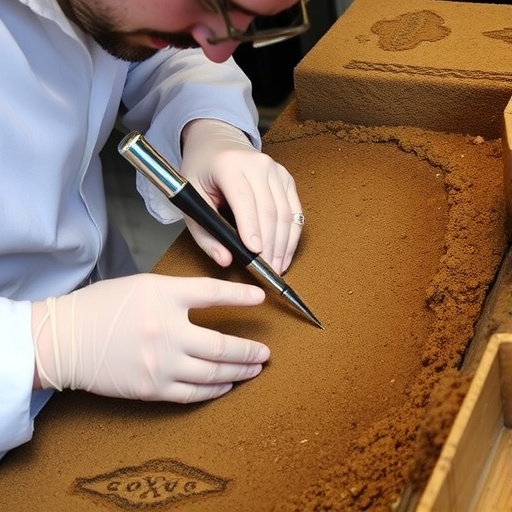
The research methodology emphasized the non-destructive or minimally invasive sampling techniques, preserving the integrity of precious archaeological remains while ensuring sufficient DNA yield. This ethical approach aligns with contemporary standards in bioarchaeology and forensic sciences, where the conservation of human remains is paramount. The success of these sampling strategies reinforces the feasibility of conducting advanced genetic analyses without compromising the physical evidence crucial for anthropological examination.
Notably, the study also addresses the limitations inherent in current DNA analysis workflows when applied to ancient samples, including the occasional inability to generate complete nuclear profiles and challenges related to post-mortem DNA modifications. The authors call for continued innovation, including the refinement of extraction reagents, enhancement of amplification protocols, and the adoption of emerging molecular techniques such as single-cell sequencing or epigenetic analyses. These future directions are vital for further unraveling the biological histories encoded in ancient human remains.
In addition to scientific advances, the study carries substantial implications for the ethical and legal dimensions of working with historic human remains. It underscores the importance of engaging with descendant communities, respecting cultural heritage, and adhering to legal frameworks governing exhumation and analysis. Forensic workflows, when adapted to ancient contexts, must also consider such sensitivities, fostering responsible stewardship of human material that bridges scientific inquiry and societal respect.
One of the visually compelling elements of the research is the documented workflow diagram, which details the overlapping forensic and ancient DNA procedures. This visual synthesis not only guides practitioners through the intricate steps involved but also exemplifies the integrated approach championed by the authors. It serves as an educational tool, demystifying complex methodological sequences and promoting standardized protocols across forensic and archaeological laboratories globally.
The study ultimately presents a compelling case for the routine application of forensic DNA analysis workflows to archaeological remains, transforming the way researchers interrogate the genomic past. By proving that forensic methods can be effectively adapted for centuries-old skeletal material, Gianfreda and colleagues set a precedent, inspiring forthcoming investigations that will undoubtedly deepen our understanding of human history through the lens of genetics.
As this research gains recognition, it is poised to catalyze a paradigm shift, encouraging forensic science and archaeology to converge more fully into a shared discipline powered by molecular insights. The fusion of these fields signifies an exciting frontier poised to unlock myriad secrets held in the bones of our ancestors, from late medieval times and beyond. Through such interdisciplinary innovation, science progresses not only toward uncovering the stories of the past but also toward refining the tools that define justice and knowledge in the present.
Subject of Research: Forensic DNA analysis of late-medieval human skeletal remains.
Article Title: Overlapping application of the forensic DNA analysis workflow to buried late-medieval human skeletal remains.
Article References:
Gianfreda, D., Corradini, B., Ferrari, F. et al. Overlapping application of the forensic DNA analysis workflow to buried late-medieval human skeletal remains. Int J Legal Med (2026). https://doi.org/10.1007/s00414-025-03706-9
Image Credits: AI Generated
DOI: https://doi.org/10.1007/s00414-025-03706-9
Tags: advancements in forensic archaeologyancient DNA extraction techniquesburial environment impacts on DNAchallenges in DNA degradationcontamination in archaeological samplesforensic DNA analysisgenetic profiling of historical populationshistorical anthropology and forensic scienceinnovative forensic methodologiesintegrated forensic workflowsinterdisciplinary research in forensics and historymedieval human skeletal remains